Federal health officials are sounding an early alarm this summer, urging Americans to take basic precautions against mosquito bites as the West Nile virus season gets underway sooner and more intensely than it has in more than two decades. The Centers for Disease Control and Prevention said this week that the country is already seeing case numbers far above what is typically recorded at this point in the year, and officials are asking the public not to let the Independence Day holiday distract from simple protective steps.
According to the CDC, at least 48 cases of West Nile virus had been confirmed nationwide as of June 30, and 38 of those cases were classified as severe. That total is strikingly high for this point in the season. Since 2004, the agency has typically logged only about ten cases by the end of June, meaning this year’s count is nearly five times the historical average. Officials also noted that 23 states have already reported detecting West Nile virus in humans, mosquitoes, or birds, the widest geographic spread recorded in a decade.
Dr. Erin Staples, a CDC expert who focuses on diseases spread by insects, said the numbers are a clear signal that mosquito season is already well established across much of the country. She encouraged families planning outdoor gatherings for the July Fourth holiday to enjoy their celebrations while still taking simple precautions to guard against West Nile virus and the mosquitoes that carry it.
Arizona has emerged as the epicenter of this year’s outbreak. The state has recorded 32 of the nation’s confirmed West Nile virus cases, with 29 of them concentrated in Maricopa County, home to Phoenix and its sprawling suburbs. Health authorities in the county have also linked four deaths this year to the virus, underscoring how serious the disease can become in vulnerable patients even though most infections cause no symptoms at all.
West Nile virus was first identified in the United States in 1999, when it appeared in New York City. From there it spread steadily across the country, reaching a peak in 2003 with close to 10,000 reported cases nationwide. Since then, annual totals have varied widely depending on weather patterns, mosquito populations, and surveillance efforts, but health officials say this year’s early surge is among the most concerning starts to a season in recent memory.
Public health experts emphasize that the vast majority of people infected with West Nile virus, possibly tens of thousands each year, never realize they have contracted it because they experience no symptoms. Others develop mild, flu-like illness that includes headaches, body aches, joint pain, nausea, vomiting, diarrhea, or a skin rash, and typically recover without lasting effects. In a small share of cases, however, the virus attacks the central nervous system, causing dangerous inflammation of the brain or spinal cord that can be fatal. Adults over the age of 60 and people with weakened immune systems or existing medical conditions face the greatest risk of developing these severe complications.
Because there is no vaccine or specific treatment for West Nile virus in humans, prevention remains the best defense, and the CDC is urging people to take a handful of straightforward steps. Officials recommend applying insect repellent registered with the Environmental Protection Agency, using ingredients such as DEET, whenever spending time outdoors. The agency also advises wearing long, loose-fitting clothing that makes it harder for mosquitoes to reach the skin, and suggests limiting outdoor activity around dawn and dusk, when the mosquito species that transmit West Nile virus are most active.
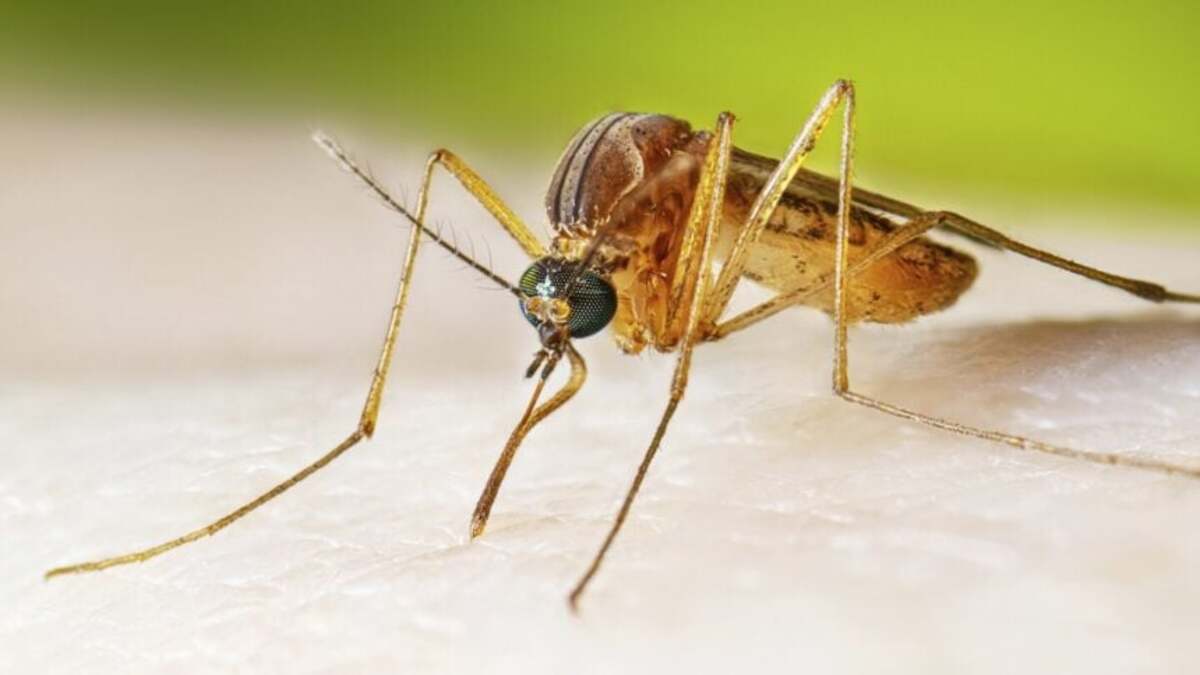

Local mosquito-control programs are also playing a role in the response, with several counties, including Maricopa, ramping up spraying and larvicide efforts in an attempt to knock back mosquito populations before case numbers climb further. Health officials say continued surveillance throughout the summer will help determine whether this year’s early spike in West Nile virus activity is an anomaly or the start of a more severe season overall. In the meantime, the message to the public is pretty straightforward: enjoy the outdoors, but don’t forget the bug spray.