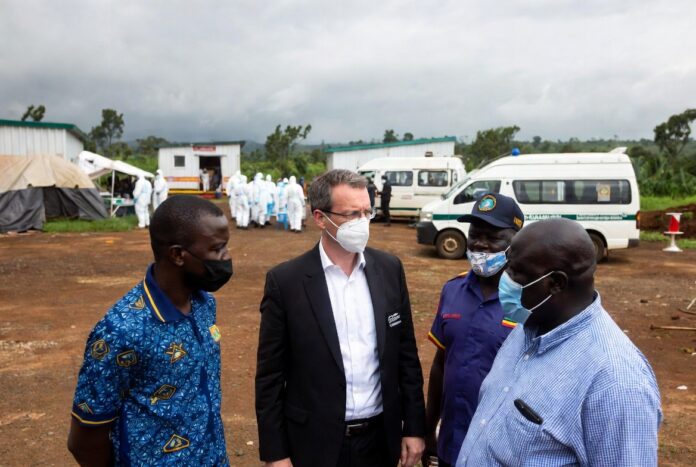
The United States has tightened entry requirements for travelers arriving from countries battling an ongoing Ebola outbreak, expanding on measures first put in place earlier this year as health officials work to keep the virus from spreading within American borders. The updated guidance, confirmed by the Centers for Disease Control and Prevention on Friday, applies to people who have recently been in the Democratic Republic of the Congo, Uganda or South Sudan, three countries where an Ebola outbreak has continued to evolve in recent months.
Under the rules, U.S. citizens and U.S. nationals who have been present in Uganda or South Sudan, but not in the Democratic Republic of the Congo, within 21 days of arriving in the United States will have their flights rerouted through designated airports for public health entry screening. That requirement applies even to travelers who only passed through Uganda or South Sudan on a connecting flight, according to the CDC. The designated screening airports include Washington Dulles International Airport in Virginia, Hartsfield-Jackson Atlanta International Airport in Georgia, George Bush Intercontinental Airport in Houston and John F. Kennedy International Airport in New York.
The measures for the Democratic Republic of the Congo remain stricter. Travelers, including Americans, who have been in the DR Congo within 21 days of their flight will not be allowed to board commercial flights bound for the United States at all. U.S. citizens and nationals who have recently left the DR Congo are being told to remain outside the country for a full 21 days before attempting to enter the United States. Those who have been in Ebola outbreak-affected provinces within the DR Congo may also face additional exit requirements imposed by local authorities before they are even permitted to leave the country, the CDC said.
The travel restrictions stem from an order first issued on May 18 by the CDC, the Department of Homeland Security and other federal agencies, invoking authority to suspend the right to introduce certain individuals into the United States from countries where a quarantinable disease is present. That order has been renewed on a rolling basis, most recently on July 13 for another 30 days, underscoring how seriously U.S. health authorities continue to regard the Ebola threat even as the outbreak’s overall trajectory remains uncertain.
For travelers who are allowed entry after having been in Uganda or South Sudan, the process includes a brief questionnaire on travel history and symptoms, a temperature check with a non-contact thermometer and observation for visible signs of illness by CDC personnel. Those without symptoms are enrolled in an automated text-messaging system that reminds them to monitor their health for the full 21-day incubation window associated with Ebola. Anyone who develops a fever or other possible Ebola symptoms during screening is referred for further evaluation, and if Ebola is suspected, the individual is transferred to a hospital for isolation and care.
Health officials are urging anyone who has recently traveled from the affected region to watch closely for symptoms such as fever, severe headache, muscle pain, vomiting, diarrhea or unexplained bleeding, and to contact local health authorities immediately if symptoms appear rather than seeking walk-in care. The CDC has also advised recent travelers to avoid international and cruise travel during their monitoring period and to notify health departments before any domestic travel.
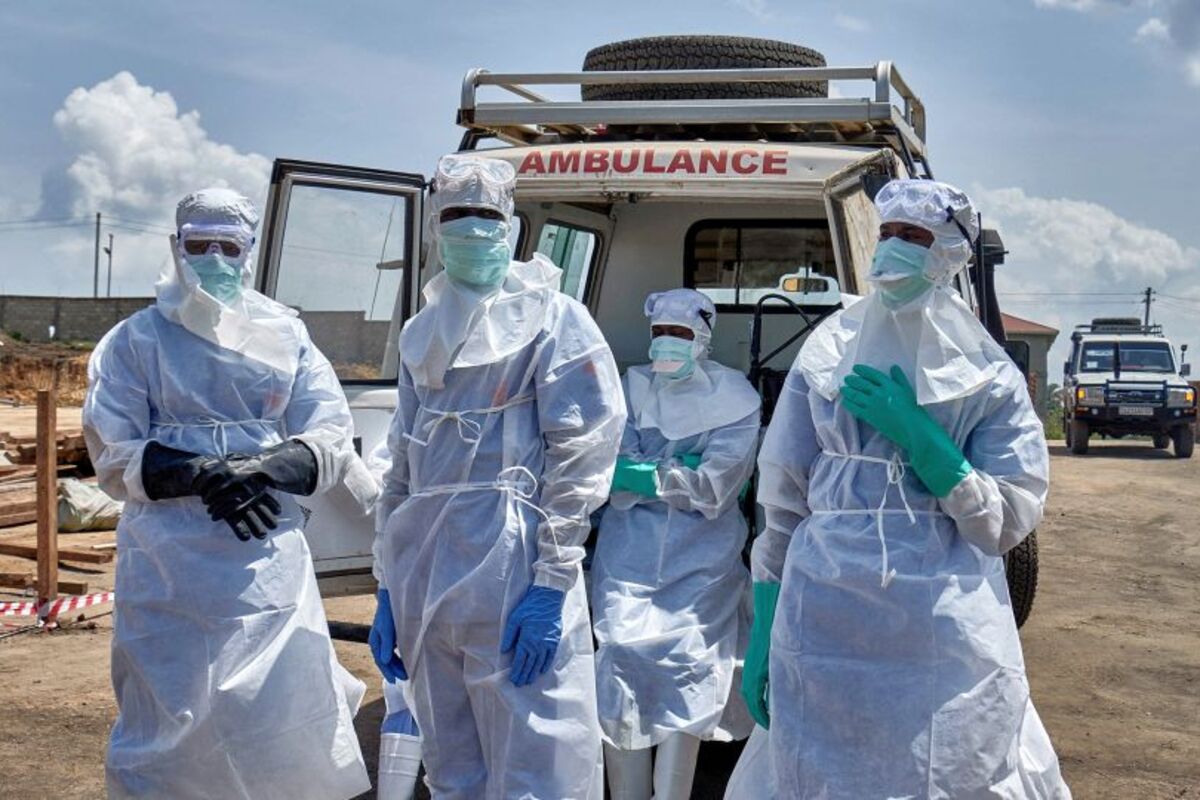

Officials say the tightened rules reflect an abundance of caution rather than evidence of Ebola transmission inside the United States, but they acknowledge the restrictions have drawn criticism from aid organizations, who argue that lengthy quarantine requirements could complicate the broader international response effort aimed at containing the outbreak at its source.