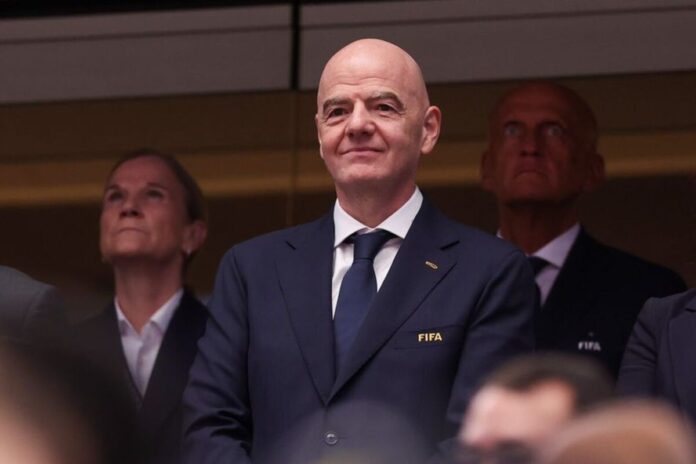
Gianni Infantino is facing the deepest crisis of his decade in charge of FIFA after UEFA and CONCACAF both declared they had lost confidence in his leadership, following the collapse of a controversial plan to sell stakes in the World Cup to private investors.
The proposal, unveiled earlier in the week, would have created a new commercial entity called FIFA Forward Enterprise, valued at as much as $20 billion, to run FIFA’s flagship events including the World Cup and Club World Cup with outside financial backers. The idea triggered an immediate and furious backlash from confederations, member associations and FIFA’s own staff, who accused Infantino of pushing through a far-reaching structural change without consultation or transparency.
By Thursday, UEFA’s 55 member nations had agreed to boycott the World Cup and all other FIFA competitions in protest, while CONCACAF and the Asian Football Confederation also came out against the plan. The pressure proved too much, and Infantino was forced to abandon the sell-off early Saturday.
But scrapping the plan did not save Infantino from the fallout. UEFA, in a scathing statement, said the FIFA president had lost the confidence not only of European football but of “many other members of the football family,” and warned that “no option should be off the table” as it pursues a full review of how the deal was conceived. UEFA accused Infantino of breaking the promises of transparency he made when first elected FIFA president in 2016, and said he had failed to use member associations’ money for the benefit of the game despite FIFA’s reserves standing at more than $5 billion.
CONCACAF, whose members include 2026 World Cup co-hosts the United States, Canada and Mexico, echoed that criticism. While welcoming Infantino’s reversal, the confederation said the episode exposed a pattern of governance failures and called for a “comprehensive reckoning” with his presidency, describing the affair as “this recent unilateral and egregious act of poor governance and leadership.”
The revolt against Infantino was not confined to the confederations. His own senior adviser, Carlos Cordeiro, a former Goldman Sachs banker who sat on FIFA’s behalf on the White House Task Force for the World Cup, resigned on Friday, calling the plan a “bad deal for football” and urging other senior staff to speak out.
Hours later, FIFA’s chief operating officer, Kevin Lamour, a longtime colleague of Infantino at both FIFA and UEFA, issued his own extraordinary rebuke, saying FIFA staff had been deceived by Infantino’s secrecy over months of planning. Lamour described the scheme as “the project of one person” and said the episode reflected “a lack of trust, a lack of transparency, a lack of discernment, a lack of good governance. And a serious lack of respect.”
The Football Association of Wales was among national bodies to publicly back UEFA’s stance, saying the governing body supported “a robust review of the leadership and governance of FIFA.” Confederation sources also told reporters that CONCACAF’s 41 member nations were losing, or had already lost, confidence in Infantino well before Saturday’s statement.
The scale of the opposition marks the most serious challenge yet to Infantino’s authority since he took over FIFA in 2016 on a platform of reform and transparency. Questions are now mounting over whether he can survive politically until FIFA’s next presidential election, scheduled for March. Rivals within the game are already being discussed as potential challengers, though none has yet declared an intention to run against him.
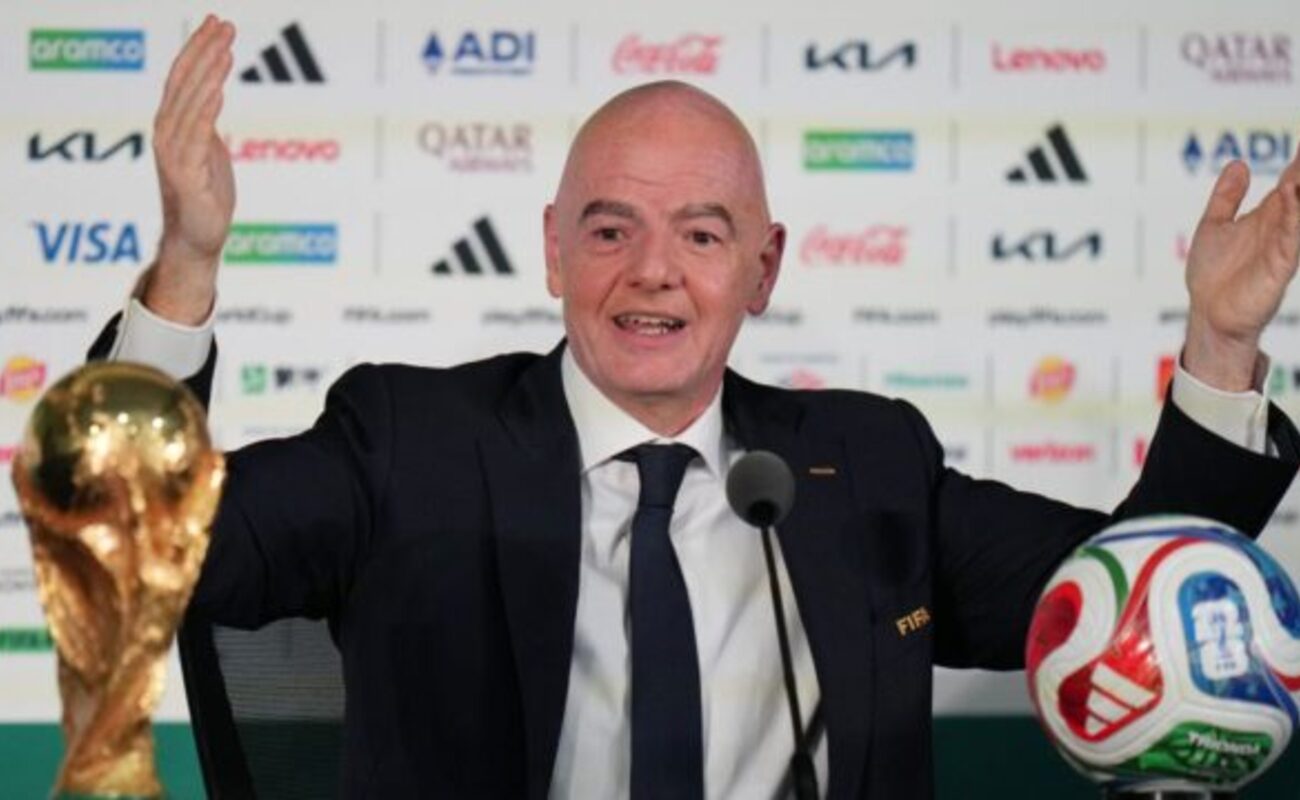

For now, Infantino has retreated from the sell-off plan but not from office, and FIFA has offered no detailed public response to the accusations levelled by UEFA, CONCACAF and his own former lieutenants. With confederations demanding accountability and an internal review looming, the coming weeks are likely to determine whether Infantino can rebuild trust within football’s governing bodies or whether the crisis marks the beginning of the end of his presidency.