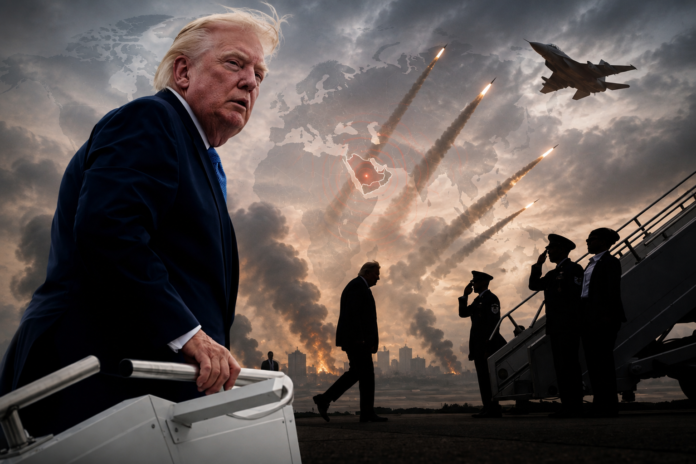
The United States is facing growing concerns over its military readiness after reports indicated that the ongoing conflict involving Iran has significantly reduced its supply of critical missile interceptors and precision guided weapons. Senior military officials have reportedly warned that inventories of some of the country’s most important air defense systems have fallen to levels that could limit America’s ability to respond to future military threats.
The issue has become increasingly important as tensions in the Middle East continue to influence global security, energy markets, and diplomatic efforts. Although the US government maintains that its armed forces remain fully capable of carrying out any mission ordered by the president, defense experts say rebuilding these sophisticated weapons stockpiles could take years.
US Missile Stockpile Faces Growing Pressure
The US missile stockpile has been heavily affected by months of military operations linked to the conflict with Iran. According to officials familiar with recent defense assessments, the military has used nearly 80 percent of its Terminal High Altitude Area Defense interceptors compared with pre conflict levels. The Patriot missile defense system has also experienced significant reductions, with roughly half of its interceptor inventory reportedly consumed during operations.
Analysts estimate that before the conflict began, the United States possessed approximately 452 THAAD interceptors and more than 2,200 Patriot missiles across its most advanced variants. These systems are considered among the country’s most important defensive assets because they are designed to intercept ballistic missiles and other aerial threats before they reach their targets.
Military planners are also monitoring shortages involving other precision weapons. Inventories of Army Tactical Missile Systems, Precision Strike Missiles, and Tomahawk cruise missiles have reportedly declined substantially following extensive operational use.
The growing demand for these advanced munitions has raised questions about how quickly the United States can replace them. Defense industry experts note that high end missile systems require specialized manufacturing processes, making rapid replenishment difficult even when production is increased.
US Missile Stockpile Influences Military Strategy
Concerns over the shrinking US missile stockpile reportedly became a key factor during recent discussions about possible military action against Iran. Senior military advisers warned that further large scale operations could place additional strain on already limited inventories, especially if the conflict expanded beyond its current scope.
These concerns were reportedly shared with President Donald Trump before he decided to suspend planned military strikes over the weekend. According to officials familiar with the discussions, Middle Eastern allies also expressed fears that further escalation could trigger retaliatory attacks on critical energy infrastructure throughout the Gulf region.
Several Gulf nations depend heavily on American supplied air defense systems to protect against missile and drone attacks. Officials reportedly warned that shortages of interceptor missiles could reduce their ability to defend strategic facilities if hostilities intensified.
The administration has maintained that the United States possesses sufficient military resources to protect national interests and support allies whenever necessary. Pentagon officials have emphasized that American forces remain the most capable military force in the world and continue to maintain a broad range of operational capabilities despite the heavy demand placed on key weapons systems.
Even so, defense analysts believe the pace of replenishment remains a significant challenge. Current production schedules suggest only a limited number of Patriot and Tomahawk missiles are added to military inventories each month, meaning full recovery could require several years.
The Defense Department has already moved to expand manufacturing capacity by approving new agreements aimed at increasing production of Patriot and THAAD rocket motors. While these initiatives are expected to strengthen future output, industry experts caution that meaningful improvements will not happen immediately due to the complexity of advanced missile production.
Beyond the Middle East, the issue carries wider strategic implications. Defense specialists warn that maintaining sufficient stockpiles is essential not only for current operations but also for preserving deterrence against potential future conflicts involving major military powers such as China, Russia, or North Korea.
The continued use of precision weapons during prolonged conflicts has highlighted the growing importance of defense industrial capacity. Modern warfare increasingly depends on advanced missile technology, making sustained production just as important as battlefield performance.
As diplomatic efforts continue alongside military planning, policymakers face the challenge of balancing immediate security demands with the long term need to rebuild critical inventories. The pace at which these stockpiles recover could influence future strategic decisions and America’s ability to respond quickly to emerging global crises.
The declining US missile stockpile has emerged as a major strategic concern as military operations continue to consume some of America’s most advanced defensive weapons. While officials insist the United States remains fully prepared to defend its interests, experts agree that restoring these critical inventories will require sustained investment, expanded manufacturing, and time.
The situation underscores the importance of maintaining a strong defense industrial base while carefully managing military resources during extended international conflicts.