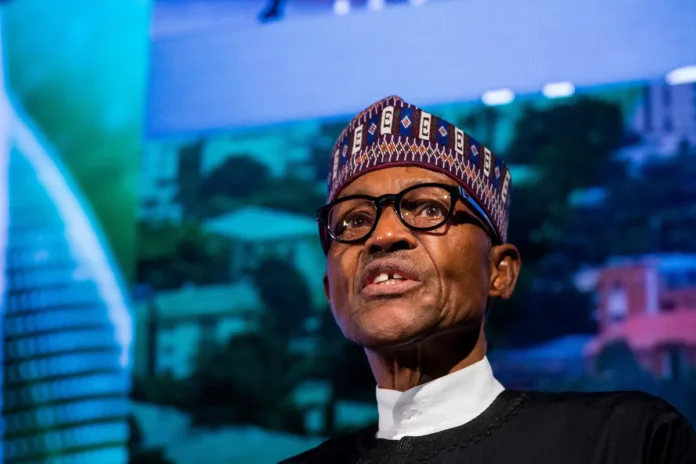
Nigeria’s former President Muhammadu Buhari has died in London at the age of 82 following a prolonged illness, according to an announcement from the office of Bola Tinubu.
“President Buhari died today in London at about 4:30pm (15:30 GMT) following a prolonged illness,” Tinubu’s spokesperson said in a statement released on Sunday, confirming the passing of one of the most consequential figures in Nigeria’s modern political history.
His death marks the end of a career that spanned both military rule and democratic governance, shaping Nigeria across decades of political transformation, crisis, and reform.
From military ruler to elected president
Buhari first rose to power in 1983 as a major general, leading a military coup that overthrew Nigeria’s civilian government. His tenure as head of state from 1983 to 1985 was defined by a rigid governing style and a focus on discipline and order.
Central to his rule was the “War Against Indiscipline,” a campaign that sought to reshape public behavior through strict enforcement of laws and social codes. Citizens faced penalties for offenses such as lateness, disorderly conduct, and failure to observe public rules, reflecting Buhari’s belief in strong centralized authority.
However, his government was also widely criticized by rights groups and political observers. Journalists and political opponents were detained under sweeping decrees, and restrictions on civil liberties drew both domestic and international condemnation. His administration was eventually removed from power in another military coup in 1985.
Democratic comeback and historic election
After years away from power, Buhari reemerged as a civilian political figure, gradually rebuilding his reputation. He ran for president multiple times before achieving a breakthrough victory in 2015 under the banner of the All Progressives Congress.
His win over incumbent President Goodluck Jonathan marked a turning point in Nigeria’s democratic history. It was the first time an opposition candidate defeated a sitting president at the ballot box, and the peaceful transfer of power was widely seen as a milestone for democratic consolidation in the country.
Buhari campaigned on a platform centered on anti corruption, security, and economic reform, tapping into widespread public dissatisfaction with governance and instability.
“I belong to everybody and I belong to nobody,” he said at the time, a phrase that became emblematic of his attempt to position himself above entrenched political divisions.
Presidency shaped by security challenges
During his presidency from 2015 to 2023, Buhari faced persistent and evolving security threats. He entered office pledging to defeat Boko Haram, the Islamist militant group responsible for years of violence in northeastern Nigeria.
Early in his administration, the military recaptured territory previously held by insurgents, but the conflict did not end. Instead, it fragmented and spread, with continued attacks, kidnappings, and displacement affecting millions.
Beyond the northeast, new forms of violence intensified. Armed banditry surged in the northwest, often involving mass kidnappings for ransom. In the Middle Belt, long standing tensions between farmers and herders escalated into deadly clashes. Separatist unrest in the southeast added another layer of instability.
Analysts and international observers frequently noted that while Buhari made some progress in weakening insurgent groups, the overall security landscape became more complex during his tenure.
Anti corruption drive and economic pressures
Buhari built much of his political identity around a reputation for personal integrity and a commitment to tackling corruption. His administration launched investigations into public officials and sought to recover stolen funds, positioning itself as a reform oriented government.
At the same time, Nigeria’s economy faced significant headwinds. The country entered recession in 2016 following a sharp decline in global oil prices, exposing structural vulnerabilities in an economy heavily dependent on crude exports. A second recession occurred in 2020 during the global downturn triggered by the COVID-19 pandemic.
Policies such as foreign exchange restrictions and efforts to boost domestic agriculture were introduced to encourage self sufficiency. Supporters argued these measures aimed to protect local industries, while critics said they contributed to inflation, currency pressure, and slow growth.
Economic diversification remained limited, and unemployment and poverty rates continued to pose challenges throughout his presidency.
A complex and enduring legacy
Despite criticism, Buhari retained a strong base of support, particularly in northern Nigeria, where he was widely seen as a disciplined and incorruptible leader. His austere personal style and relatively modest lifestyle reinforced that perception among supporters.
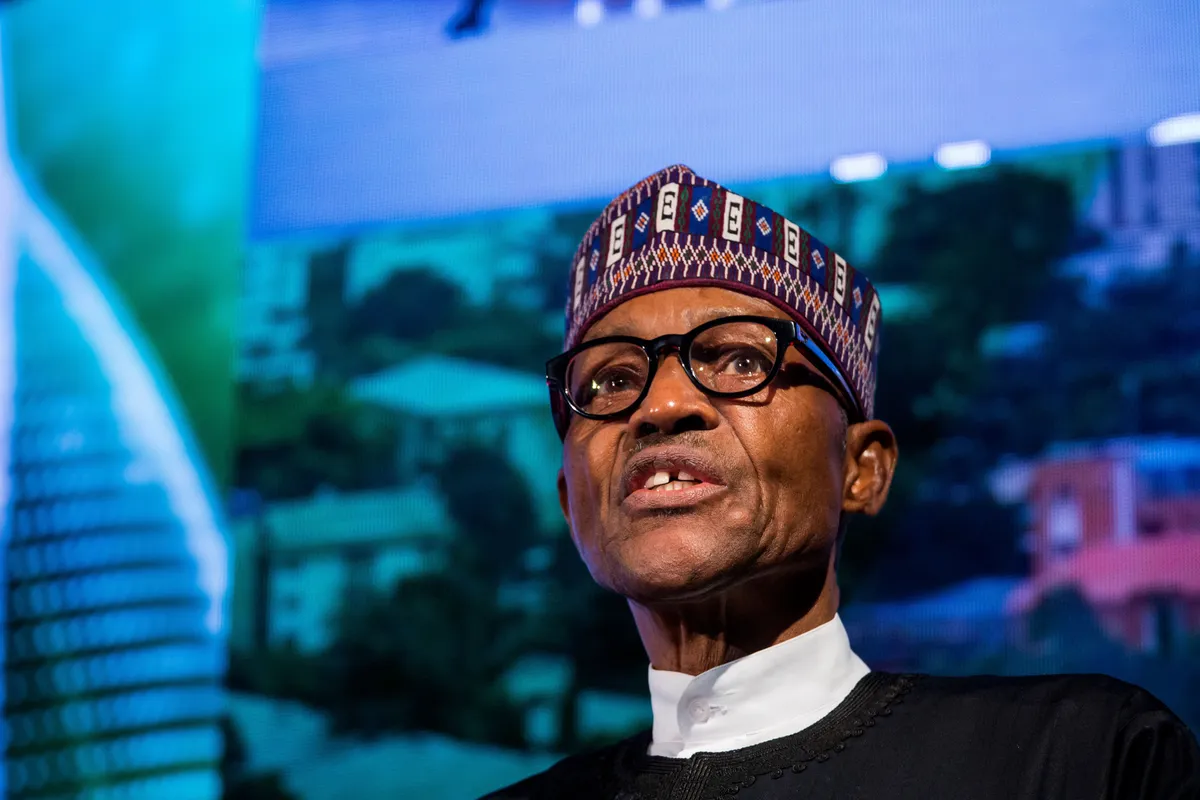 His legacy remains deeply mixed. To some, he stands as a symbol of accountability and democratic progress, particularly for his role in the 2015 election and peaceful transfer of power. To others, his administration fell short of expectations, especially in addressing insecurity and economic reform.
His life and career reflected the broader trajectory of Nigeria itself, moving from military rule to democratic governance while grappling with persistent structural challenges.
With his passing, Nigeria loses a figure who shaped its political landscape across two very different eras, first as a soldier and later as an elected leader.