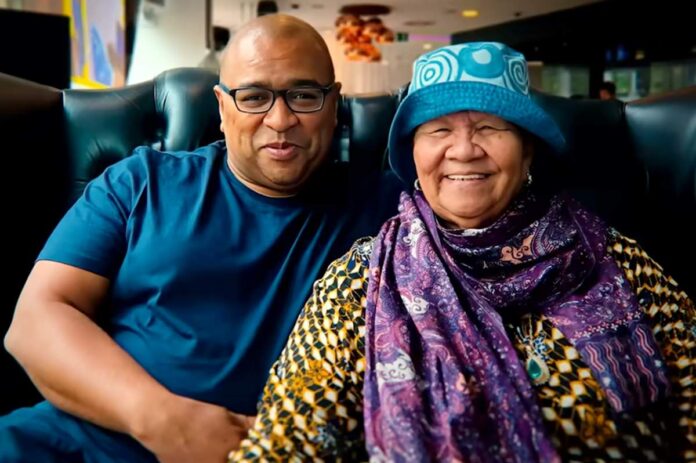
A British woman featured in a recent Netflix documentary about allegedly deceiving her own son and others out of large sums of money has now been charged with fraud in Singapore.
Dionne Marie Hanna, 84, who lives in Singapore, faces five counts of fraud after police complaints were reportedly filed by alleged victims who came forward after watching the documentary Con Mum. The case has attracted international attention because of striking similarities between the allegations in Singapore and the story told in the film.
According to local reports, several complainants accused Hanna of persuading them to hand over money with promises that they would later be repaid through an inheritance she claimed to be receiving from Brunei’s royal family.
Charges follow Netflix documentary exposure
The allegations echo claims made by London pastry chef Graham Hornigold, who is at the centre of the documentary.
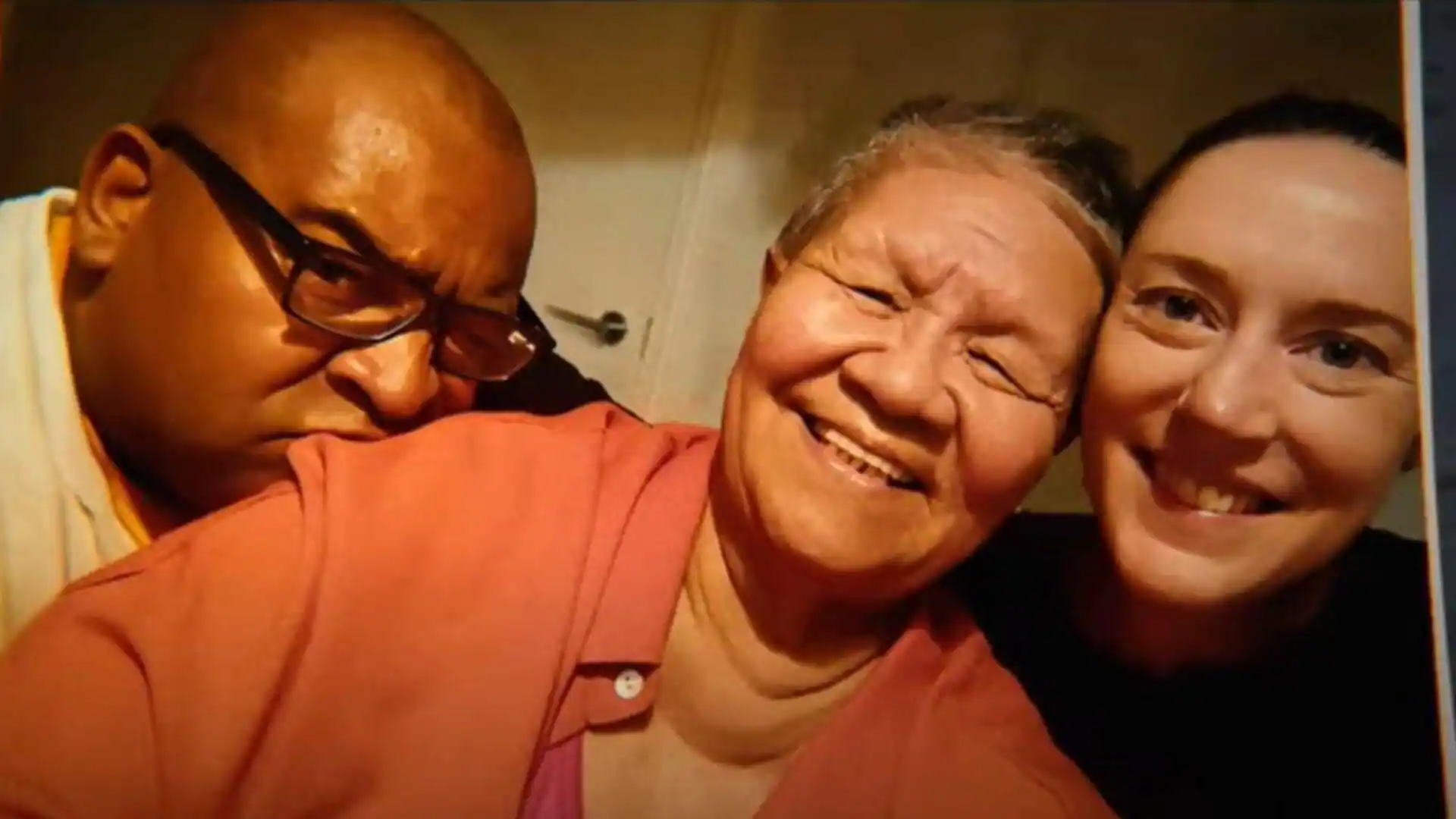
Hornigold said Hanna contacted him in 2020 claiming to be his long lost mother. A DNA test later confirmed that she was indeed his biological mother, lending credibility to her story and helping build trust.
The documentary follows their emotional reunion during the pandemic and how the relationship later unravelled.
Hanna allegedly portrayed herself as a wealthy, illegitimate daughter of the Sultan of Brunei and initially lavished gifts on Hornigold, his then partner Heather Kaniuk, and close friends. According to the film, these gifts included cars, expensive accommodation, and other luxury gestures that reinforced the image of vast personal wealth.
Over time, however, Hornigold said the dynamic changed dramatically. He alleged that he and people around him were increasingly pressured to cover Hanna’s expenses while she continued living extravagantly.
Hornigold claimed in the documentary that he ultimately lost around £300,000.
Singapore court appearance from hospital bed
Hanna appeared before a district court in Singapore on Saturday through a video link. She was reportedly seen lying on a hospital bed and accompanied by an investigating officer.
Prosecutors allege she deceived three men in Singapore and France into transferring money into her bank accounts. The court heard that she claimed the funds were urgently needed for legal fees and for opening new bank accounts.
She is also accused of appealing to their sympathy by saying she was terminally ill and assuring them they would be repaid once she accessed inheritance money.
Authorities said Hanna also promised to donate millions of dollars to a mosque and a Muslim non profit organization in Singapore in exchange for financial help, claims prosecutors say were part of the alleged deception.
The exact losses suffered by each alleged victim have not been fully disclosed. However, Singapore police said preliminary investigations indicate Hanna is linked to at least five cheating cases involving more than S$200,000 in losses.
If convicted on the charges, she could face up to 20 years in prison as well as fines under Singapore law.
The story behind Con Mum
The documentary Con Mum, released on March 25, examines how Hornigold became entangled in what he says was a calculated fraud carried out by someone he had only just discovered was his mother.
Hornigold, who has worked in Michelin starred restaurants and founded Longboys Doughnuts in London, initially expressed skepticism about Hanna’s claims. But the DNA confirmation and her displays of generosity reportedly helped establish a close bond.
The film then charts how that trust eroded as bills mounted and Hanna allegedly disappeared after others had covered her expenses.
The emotional impact of the story resonated with viewers, particularly because it combined a real family reunion with allegations of manipulation and financial exploitation.
Wider allegations and unanswered questions
The documentary also suggests Hanna had previous convictions in the United Kingdom for shoplifting and fraud, though those claims have not been central to the new Singapore charges.
Questions also remain about her repeated claims of connections to Brunei’s royal family. Hornigold openly challenged those assertions in the documentary, and no public evidence has emerged to support them.
The case has sparked discussion online about romance fraud, affinity scams, and schemes that rely on emotional vulnerability rather than traditional impersonation.
Experts say such frauds often succeed because they use personal trust, urgency, illness claims, or promises of future wealth to pressure victims into making repeated transfers.
Hanna’s case is expected to continue through Singapore’s court system in the coming weeks. Prosecutors are likely to present banking records, witness statements, and communications with alleged victims.
For those who watched Con Mum, the charges mark a dramatic real world continuation of a story many assumed had ended with the documentary.
Instead, investigators now allege the same methods seen on screen may have continued elsewhere, drawing in new victims across multiple countries.