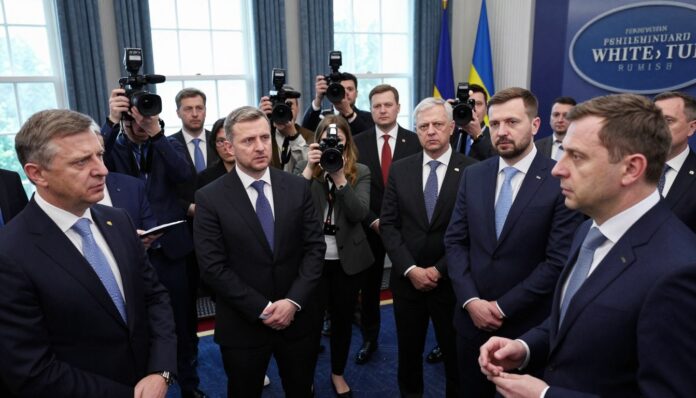
We are seeing a big change in how countries talk to each other. A 3-day pause in the Russia-Ukraine war was announced, surprising everyone. This could be a big change in the ongoing conflict.

People all over are talking about what this means. They are trying to figure out what President Trump’s plan is. We think it’s important to understand why he made this move. It could change how talks go and how stable the area stays.
Key Takeaways
- The proposed diplomatic pause offers a rare moment of stillness in the conflict.
- Global markets and political analysts are closely monitoring the situation for further updates.
- This initiative highlights a major change in current international relations strategies.
- We must consider the logistical challenges of maintaining such a fragile agreement.
- The long-term impact of this development remains a subject of intense debate among experts.
The Announcement of the 3-Day Pause
A sudden shift in the geopolitical landscape emerged with the proposal of a 3-day pause in hostilities. This unexpected development has prompted analysts and world leaders to re-evaluate the immediate trajectory of the conflict. We are closely monitoring how these diplomatic maneuvers might influence the stability of the region.
Details of the unexpected declaration
The core of this announcement centers on a temporary cessation of military operations. By establishing specific ceasefire terms, the proposal aims to create a window for potential dialogue and humanitarian relief. We observe that the declaration emphasizes a strict adherence to non-aggression protocols during this limited timeframe.
The agreement is designed to be self-executing, meaning that both sides are expected to halt offensive maneuvers without the need for immediate third-party verification. This approach reflects a high-stakes gamble on mutual trust. Our assessment suggests that the success of this initiative depends heavily on the willingness of both parties to maintain discipline on the front lines.
Timeline and scope of the proposed ceasefire
The proposed 3-day pause is structured to begin at a synchronized time, covering the entirety of the active contact zones. This geographic scope is intended to prevent localized skirmishes from escalating into broader engagements. We have outlined the primary parameters of this agreement in the table below to provide clarity on the logistical expectations.
| Parameter | Description | Status |
|---|---|---|
| Duration | 72-hour window | Confirmed |
| Primary Goal | 3-day pause | Humanitarian |
| Compliance | Strict ceasefire terms | Pending |
| Scope | Active front lines | Defined |
The timeline is strictly limited to ensure that the momentum of the conflict is not permanently altered. By keeping the window short, the involved parties hope to minimize the risk of tactical exploitation. We believe that this structure serves as a test for future, more comprehensive diplomatic efforts.
Analyzing Trump’s Ukraine Ceasefire Strategy
We are diving deep into the world of high-stakes diplomacy. We aim to uncover the main strategy behind this surprising move. By looking at the political scene, we can see how Trump’s Ukraine Ceasefire fits into a bigger plan for peace in the region.
Diplomatic objectives behind the sudden move
The main goal is to change the flow of the ongoing conflict. It seems that diplomatic negotiations are key to see if both sides are ready for a temporary truce.
This move is a test to see if a lasting peace is possible. By suggesting a short pause, the administration hopes to open a door for meaningful dialogue. This could lead to a lasting peace agreement.
The role of back-channel communications
Behind the scenes, secret talks have likely been happening for weeks. These private talks allow for honest discussions that formal meetings can’t handle.
These discreet interactions are crucial for building trust. They help bridge the gap between different national interests. We think these secret talks are key to making Trump’s Ukraine Ceasefire work.
Assessing the feasibility of the proposal
Looking at the success of this plan means understanding the current military and political situation. The goal is clear, but making diplomatic negotiations work on the ground is tough.
Several factors affect the proposal’s chances:
- The level of trust between the opposing military commands.
- The ability to monitor compliance across a vast front line.
- The potential for political backlash within domestic spheres.
The success of Trump’s Ukraine Ceasefire depends on both sides seeing a pause as beneficial. Without agreement, even the best diplomatic negotiations might find it hard to succeed in such a tense setting.
Immediate Reactions from the White House and Congress
Washington is seeing a big divide over a proposed three-day pause in hostilities. The sudden announcement has officials rushing to understand its impact on global stability. Strategic communication is key as the administration handles this sensitive situation.
Official statements from the current administration
The White House is showing cautious optimism about the ceasefire. They say any pause must be checked to avoid unfair advantages. They’re working with international partners to watch the situation closely.
Our sources say the executive branch is focusing on civilian safety during this pause. They want the pause used for helping people, not for military moves. This shows their goal of reducing tensions in the area.


Bipartisan perspectives on Capitol Hill
On Capitol Hill, opinions are mixed, showing deep divisions. Some see it as a bold step toward peace, while others doubt its motives. This shows the challenge of balancing security with diplomacy.
Many lawmakers are calling for more openness about the talks. They want to make sure the U.S. stays with its allies. Here’s a summary of the main views:
| Political Stance | Primary Focus | Key Concern |
|---|---|---|
| Pro-Diplomacy | Humanitarian relief | Risk of military regrouping |
| Skeptical | National security | Lack of clear verification |
| Constitutionalist | Executive oversight | Congressional consultation |
Concerns regarding executive authority in foreign policy
A big part of the debate is about the limits of the president’s power. Many say such big policy changes need formal consultation with Congress. They fear unilateral actions could harm the balance of power in government.
These worries are not just about rules; they’re about how the U.S. acts globally. The push for balance between the president’s speed and Congress’s oversight is key. Maintaining constitutional integrity is seen as crucial for any foreign policy success.
Perspectives from Kyiv and the Ukrainian Leadership
The Zelenskyy administration faces a tough diplomatic spot with the temporary halt in fighting. They need to balance protecting Ukraine’s sovereignty with the global situation’s seriousness.
Official response from President Zelenskyy
President Zelenskyy says any pause must not help the invaders. His team wants a just and lasting peace, not just a short break in fighting.
The Zelenskyy administration talks with key allies to make sure any deal is safe. They’re careful not to let the enemy regroup.
Military and civilian sentiment in Ukraine
Military leaders are cautious about the pause. They know a quiet moment doesn’t mean a real change in plans.
Civilians are tired and skeptical. They want safety to get supplies, but fear the ceasefire terms might be used to attack again.
Conditions set by the Ukrainian government for compliance
The government has set clear rules for any agreement. These ceasefire terms aim to stop the pause from being misused:
- Full verification of troop withdrawals from designated zones.
- Guaranteed safe corridors for humanitarian aid and civilian movement.
- Immediate cessation of all long-range missile and drone activity.
- International monitoring to ensure strict adherence to the agreement.
These rules show the strategic necessity of staying ready to defend. The leadership wants to keep citizens safe while still seeking diplomatic solutions.
Kremlin Response and Russian Military Positioning
Moscow’s response to the ceasefire shows a mix of priorities. The Kremlin policy is adjusting to this new diplomatic move. It’s still unclear if this pause will change the conflict’s course.
Official statements from the Kremlin
At first, Moscow seemed cautious about the three-day pause. Kremlin officials said any deal must fit their security goals. They are checking the details to keep their interests safe.
Observations of Russian troop movements during the pause
Our team is watching how Russian troops move. Even if there’s a military de-escalation goal, we see tactical shifts. Troops often change positions or get new supplies during these breaks.
Strategic calculations by the Russian Ministry of Defense
The Russian Ministry of Defense is thinking about the pause’s benefits and risks. Their Kremlin policy experts are studying how it affects their plans. They must balance diplomacy with keeping a strong defense.
We’ve listed key factors affecting the Russian command during this uncertain time.
| Strategic Factor | Primary Objective | Risk Level |
|---|---|---|
| Logistical Resupply | Maintain combat readiness | Low |
| Diplomatic Optics | Improve international standing | Medium |
| Frontline Consolidation | Strengthen defensive lines | High |
| Force Rotation | Reduce soldier fatigue | Medium |
The success of military de-escalation depends on sticking to the agreed terms. We’ll keep watching if these moves show a real push for peace or just a tactical pause.
Global Diplomatic Fallout and International Reactions
International relations are facing a big test as leaders try to understand the pause’s meaning. The sudden announcement has left many capitals unsure of what to do. This uncertainty makes every diplomatic move very important.

Responses from NATO and European Union leaders
The NATO response is a mix of hope and careful thought. Officials in Brussels are working hard to keep the alliance’s security strong. They stress that any pause must be watched closely to avoid tactical moves.
European Union leaders also have their eyes on the humanitarian side. They say the main goal is to protect civilians and get aid to them. But, they worry that a short pause could lead to a dangerous standstill if talks don’t start soon.
Positions taken by key global powers
Other global powers are also thinking carefully about their next steps. Some see this as a chance to calm things down, while others are unsure of the reasons. This shows how hard it is to agree on anything in today’s world.
“True diplomacy requires more than just a temporary silence on the battlefield; it demands a genuine commitment to addressing the root causes of the conflict.”
— Senior Diplomatic Analyst
Impact on the United Nations Security Council
The United Nations Security Council is at a key moment. It’s under pressure to make sure the ceasefire is real and fair. The table below shows the different views that are shaping the global talk.
| Entity | Primary Focus | Stance on Ceasefire |
|---|---|---|
| NATO | Security Integrity | Cautious/Monitoring |
| European Union | Humanitarian Aid | Supportive/Conditional |
| UN Security Council | Global Stability | Neutral/Mediating |
The geopolitical stability of the area depends on how these groups work together. If the NATO response matches humanitarian goals, there might be a chance for lasting peace. We’re watching these events closely.
Military Implications of a Short-Term Ceasefire
The idea of a three-day pause in the Russia-Ukraine war makes both sides think hard. They must weigh quick wins against big risks. Any stop in fighting changes the game a lot.
Leaders have to decide if it’s good to rest and get ready for more battles. Or if it’s better to keep fighting and not lose ground.
Tactical advantages and risks for both sides
When there’s a military de-escalation, both sides might want to strengthen their positions. A break lets them help the wounded and get more ammo. But it also lets the other side get ready to defend better.
The big worry is that one side might sneak up and get ready to attack again. This could happen while the other side is resting.
The table below shows the main trade-offs in a short ceasefire:
| Strategic Factor | Potential Benefit | Inherent Risk |
|---|---|---|
| Logistics | Improved supply chains | Exposed transport routes |
| Personnel | Troop rotation and rest | Vulnerability to surprise |
| Intelligence | Enhanced reconnaissance | Information leaks |
| Positioning | Fortification of lines | Static target exposure |
Monitoring compliance on the front lines
Keeping the ceasefire going needs careful watching. Satellites and drones will help spot any moves that shouldn’t be happening. If rules are broken, the whole effort could fall apart fast.
The NATO response is also key to keeping the peace. International teams and local leaders must check that the Russia-Ukraine war is really paused. Without clear talks, small fights could start again, ruining the whole plan.
Humanitarian Impact on Frontline Communities
The proposed three-day pause is a crucial chance to save civilians caught in the fighting. When fighting stops, we have a short time to help those in danger. This time is key for giving humanitarian aid to those who have been cut off for weeks or months.
Opportunities for civilian evacuation and aid delivery
During this short time, groups and volunteers can help people escape danger. Many families are stuck in ruined areas without basic needs met. Organized evacuation corridors help them move to safer places, lowering the risk of more harm.
This pause also lets us send humanitarian aid like food, blankets, and medical kits. Relief teams can now reach areas they couldn’t before because of constant attacks. This is crucial to avoid a bigger crisis for the most vulnerable.
Challenges in maintaining safety during the pause
But, we face big challenges in keeping people safe during this short pause. Keeping civilians safe is hard because of the lack of trust between sides. A small mistake could make safe paths dangerous for families.
Damage to roads and bridges also makes it hard to get humanitarian aid to where it’s needed. Keeping aid workers safe is also tough, as they face unpredictable dangers. We know the pause brings hope, but we must stay alert to protect those most at risk.
Economic Consequences for Global Energy and Grain Markets
The proposed three-day pause sends shockwaves through international finance. Traders and analysts quickly adjust their views on key commodities. This change forces a rethink on how global energy markets work during sudden diplomatic actions.

Market volatility and investor sentiment
Investors tend to be cautious in uncertain times, leading to price swings. Market volatility increases when the ceasefire’s length is unclear. This makes it hard to forecast oil and gas prices in the long run.
The sudden announcement also hits the grain supply chain hard. It relies on steady logistics. Disruptions can raise insurance costs for ships, affecting the price of goods at ports.
Implications for global food security
The grain supply chain is key for affordable food in poor countries. Any delay, even brief, can cause bottlenecks. This affects the timely delivery of humanitarian aid to food-scarce areas.
A pause in fighting might help logistics, but it poses big challenges. Keeping global energy markets stable while safeguarding food shipments needs global teamwork. The ceasefire’s economic success hinges on clearing export backlogs in time.
Historical Precedents for Short-Term Conflict Pauses
Looking back at modern warfare, we see that short-term pauses are key. These pauses often change the course of war. By studying past events, we can guess what might happen next.
Lessons from previous ceasefire attempts in modern warfare
Many truces were made to solve immediate problems like hunger or supply chain issues. For example, agreements often focused on fixing the grain supply chain to stop famine. These efforts show that even short breaks can help those in need.
But, these pauses are not just about helping people. They also test if both sides really want peace. If they stick to the agreement, it helps build trust for future talks.
Why short-term pauses often fail or succeed
The success of a ceasefire depends on the leaders’ goals. If the Kremlin policy sees a pause as a chance to regroup, it can fail. We’ve seen that if fighting continues, talks lose trust.
On the other hand, pauses work when there are clear rules and outside checks. If both sides see benefits, chances of success grow. But, history warns us that short-term gains can lead to long-term losses.
Challenges to Sustaining Long-Term Peace Negotiations
Switching from a short-term ceasefire to a lasting peace deal is a huge challenge for world leaders. A temporary pause can bring quick relief, but the real issues causing the conflict are still there. To achieve a lasting peace, we must deal with a complex mix of different interests.
Bridging the gap between opposing demands
The main hurdle is the vastly different views of the warring sides. The Zelenskyy administration sees restoring territorial integrity as key. But the other side has demands that clash with this goal.
This big difference makes diplomatic negotiations hard to keep going. Both sides see giving in as a weakness, not a way to peace. The current political situation doesn’t offer much room for finding common ground.
The role of international mediators moving forward
Good international relations need neutral, high-level mediators. These outsiders are key for keeping talks going when direct talks fail. They offer a framework for talks, helping to keep the peace process alive.
The Zelenskyy administration must decide if outside help is worth the loss of control. Success will depend on global powers enforcing agreements and offering security. Below is a table showing how mediators try to make progress in tough situations.
| Mediation Strategy | Primary Objective | Expected Outcome |
|---|---|---|
| Back-channel Diplomacy | Reduce public posturing | Increased flexibility |
| Economic Incentives | Encourage cooperation | Long-term stability |
| Security Guarantees | Build mutual trust | Reduced military tension |
| Neutral Oversight | Monitor compliance | Improved accountability |
The future of international relations will show if these efforts work. We think ongoing, open mediation is the best way to stop violence. Keeping this effort alive needs patience, planning, and a dedication to global security.
Conclusion
The sudden pause in hostilities is a key moment for international diplomacy. It gives us a rare chance to focus on human life and test the peace process.
Our analysis shows how fragile the current negotiations are. Achieving lasting peace needs more than just a pause in fighting. It requires a deep commitment from all sides to solve the conflict’s root causes.
Market watchers are keeping an eye on how these events affect global energy markets. The stability of these markets depends on leaders making lasting agreements. We need to watch closely how these diplomatic efforts play out in the next few weeks.
It’s important for the public to stay engaged as the situation changes. We urge our readers to follow updates from the United Nations and the White House. Your awareness helps push policymakers towards positive solutions for all affected by this crisis.
FAQ
What are the specific parameters of Donald Trump’s proposed 3-day ceasefire?
Donald Trump suggested a 72-hour halt in fighting across the Russia-Ukraine war front. This plan aims to cover the whole country. It’s meant to give a chance for diplomacy to work.
How has the Biden administration responded to this surprise announcement?
The Biden team is cautious. They question if a former president can make foreign policy decisions alone. Congress is debating this, worried about the Constitution.
What conditions has President Volodymyr Zelenskyy set for Ukrainian compliance?
President Zelenskyy wants guarantees from Russia. He wants to make sure Russia won’t move heavy weapons or troops during the pause. Ukraine needs outside help to trust this, like from the OSCE.
Is there evidence that Vladimir Putin and the Kremlin will honor the pause?
The Kremlin’s words are guarded. But Putin’s plans are still unclear. We’re watching Russian troop movements to see if they’re really stopping or just moving around.
What role do NATO and the European Union play in this ceasefire strategy?
NATO and the EU are figuring out how this affects their support for Ukraine. They’re important for making sure any pause fits with UN rules on borders.
How will the ceasefire impact global energy and grain markets?
The news has shaken markets. We’re watching how it changes energy and grain prices. A successful pause could help the Black Sea Grain Initiative, improving food security worldwide.
What are the primary humanitarian objectives during this 3-day window?
The main goal is to get aid to people and help them leave danger zones. The Red Cross will be key in this, facing big challenges to help.
Are there historical precedents that suggest such a short-term pause can succeed?
Short pauses have sometimes worked before, but often fail. They can give diplomats a chance to find common ground. But, they’re risky and not always successful.