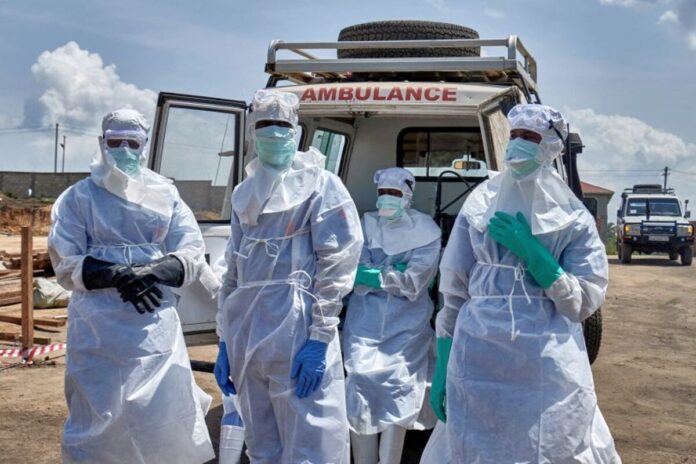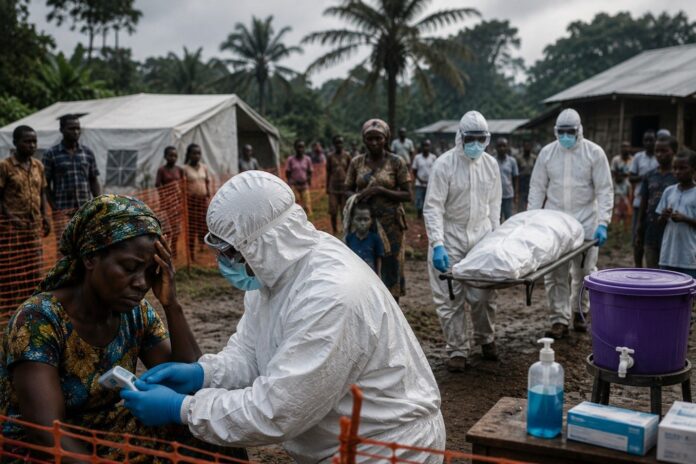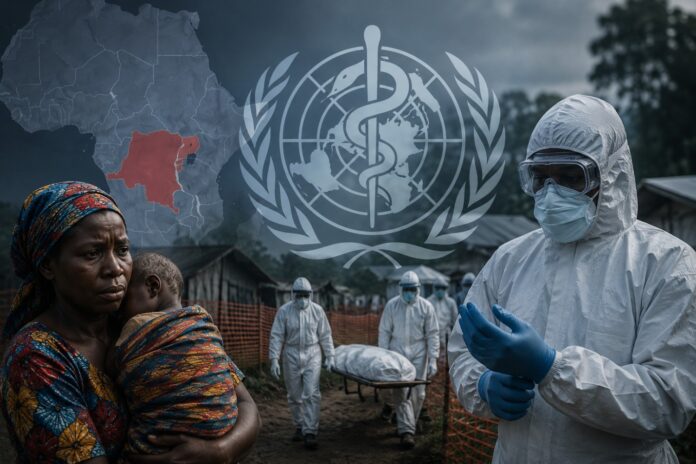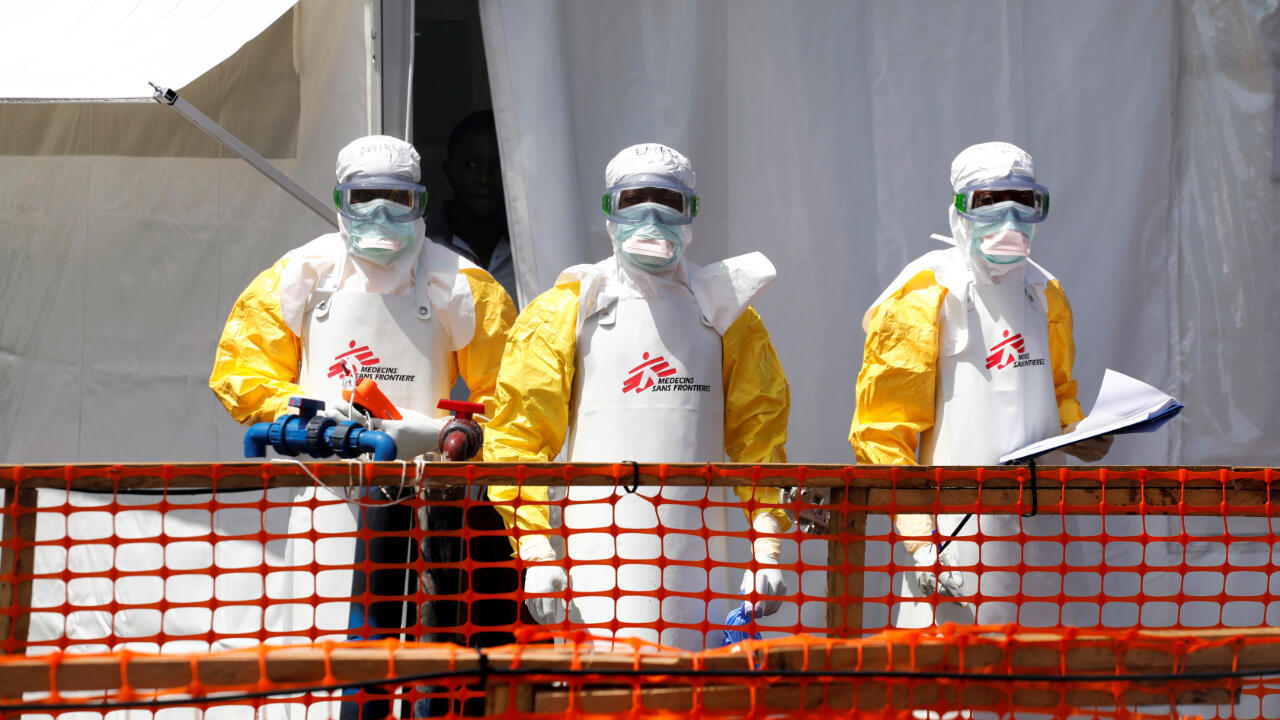
Health workers at a treatment center for Ebola in eastern Congo walked off the job on Saturday, disrupting patient care in the region hit hardest by the country’s fast-moving outbreak. The strike, driven by unpaid bonuses, adds a fresh complication to an already difficult response effort as Ebola case numbers climb toward a grim new milestone.
According to figures released by the government on Friday, confirmed Ebola infections in Congo have climbed to 2,973, with the death toll surpassing 1,309. Officials describe it as the fastest-growing Ebola outbreak on record, a distinction that underscores how quickly the virus has spread since it first emerged months ago.
Operations at the Elikya Ebola Treatment Center in Bunia, the capital of Ituri province, ground to a halt after doctors, nurses, and security personnel stopped reporting for duty. Roughly a hundred staff members gathered outside the facility to voice their frustration, arguing that months of withheld performance bonuses have damaged morale and interfered with their ability to care for patients battling the virus.
In a joint statement issued the day before the walkout, employees said they had voted unanimously to suspend work until authorities produced tangible commitments to resolve roughly two months of overdue pay. This is not the first such disruption tied to the Ebola response: workers at Bunia General Hospital, the region’s largest medical facility, staged a similar strike over unpaid salaries just last week.
Congo’s Ministry of Health has been battling this particular Ebola outbreak, caused by the comparatively rare Bundibugyo strain of the virus, since mid-May. Ministry data show 766 patients currently isolated or hospitalized, while 540 others have recovered. Ituri province alone accounts for nearly 90 percent of all confirmed cases, making it the undisputed epicenter of the crisis.
Despite an expanding response effort, the outbreak continues to outrun the capacity of health teams to contain it. Investigators have yet to pinpoint the outbreak’s patient zero, a gap that has made containment considerably harder. Compounding the problem, displacement driven by ongoing armed conflict and mining activity in the region has scattered potentially exposed individuals, making contact tracing an uphill battle for response teams.
Health officials say a persistent funding shortfall, sporadic attacks on medical facilities, and the broader instability gripping eastern Congo have all combined to slow the fight against the disease. The latest walkout by frontline staff illustrates how the human toll of the epidemic extends beyond infection numbers alone — it is also straining the very workforce tasked with bringing the Ebola outbreak under control.
For now, patients at the Elikya center are left with reduced staffing at a moment when case counts are rising fastest. Aid organizations and Congolese officials face mounting pressure to resolve the pay dispute quickly, both to restore care at the treatment center and to prevent further strikes from compounding an outbreak that is already testing the limits of the country’s health system.
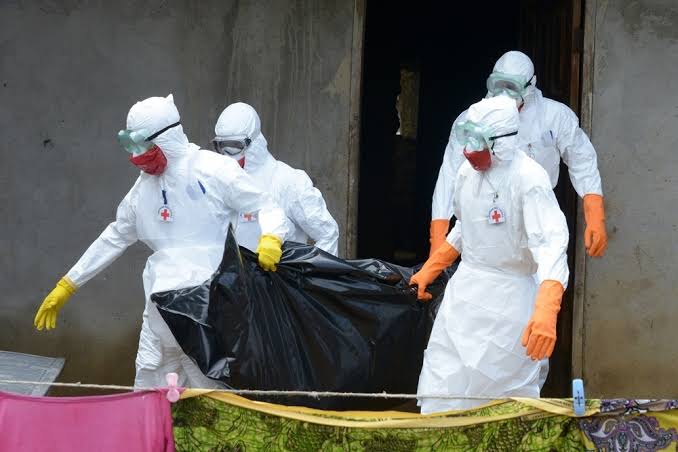
As the death toll from Ebola continues to climb, the coming days are likely to determine whether Congo’s health authorities can restore stability to the response before the outbreak grows further out of control.