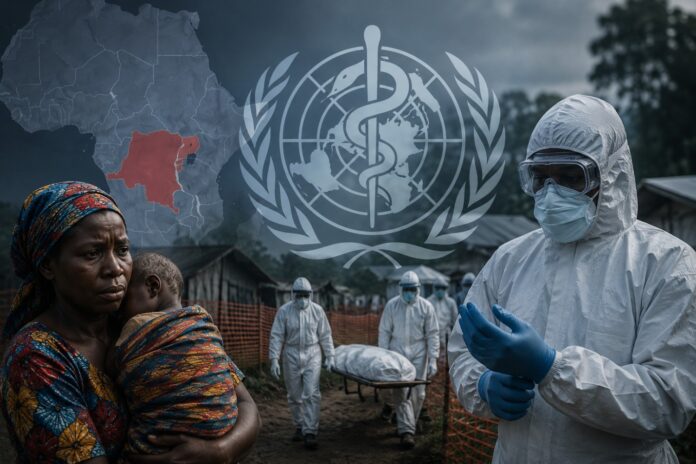
Some health workers battling the Ebola outbreak in eastern Congo have walked off the job to protest months of unpaid wages, a labor dispute that threatens to slow the response to an epidemic that officials say is already spreading faster than efforts to contain it.
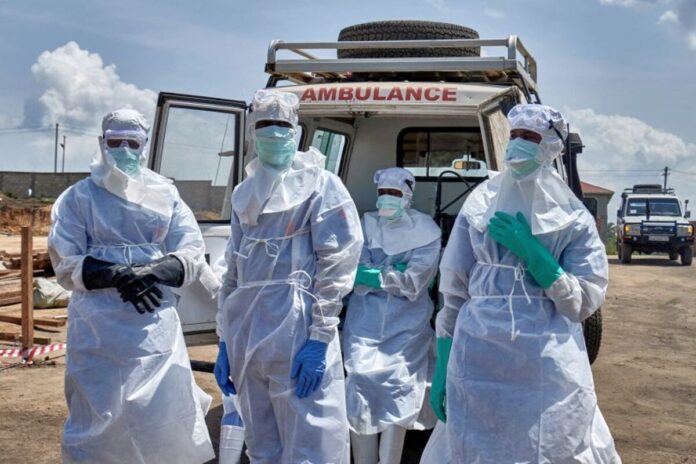
In Ituri province, the hardest-hit of the three eastern provinces affected by the Ebola outbreak, frontline responders told reporters that they have not received wages or bonuses since the outbreak was declared on May 15. Workers also said they have been forced to operate with limited protective gear and complained of unfair treatment from both national authorities and international response teams.
“Since the Ebola virus disease outbreak was declared, we’ve been demanding payment for our work,” said Dr. Biensi Kano, a member of the epidemiological surveillance committee in Ituri’s capital, Bunia.
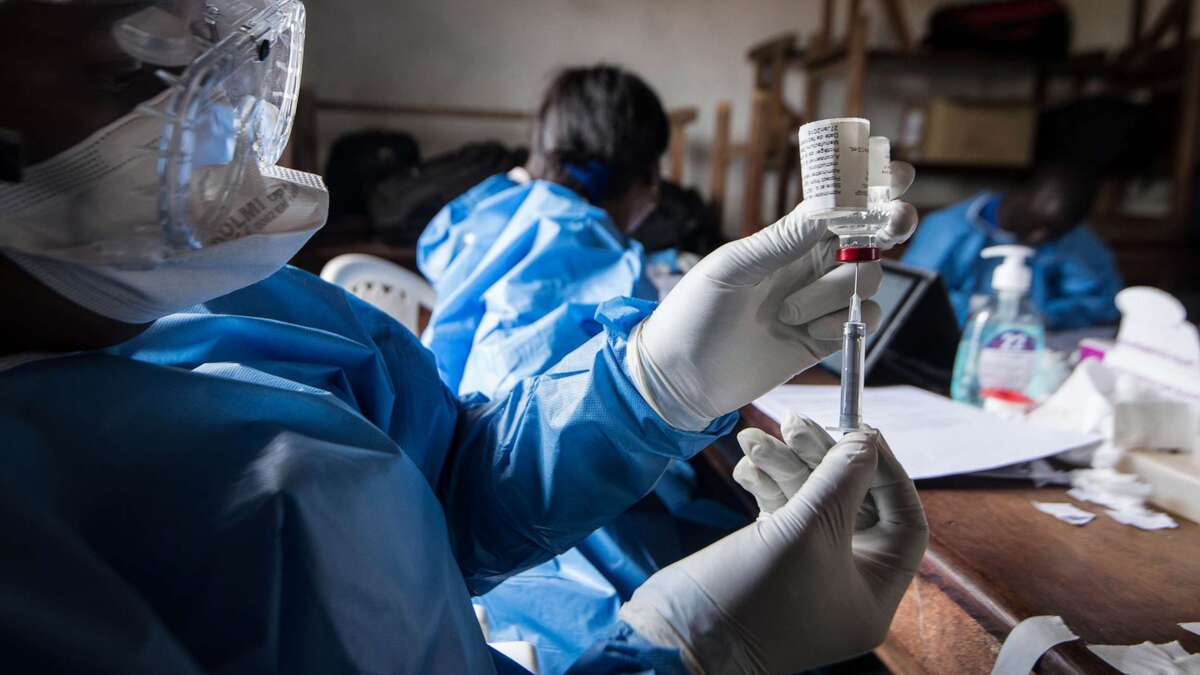
Congo’s latest government figures show more than 1,700 recorded Ebola cases, including nearly 600 deaths, making the first months of this Ebola outbreak the worst on record in the country. The walkout began just as clinical trials opened for a treatment targeting the Bundibugyo strain of the virus responsible for the current crisis.
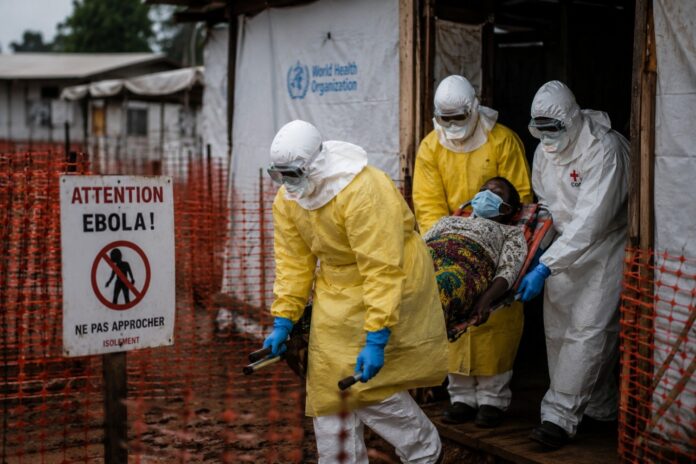
The World Health Organization’s representative in Congo, Dr. Anne Ancia, said this week that the Ebola virus continues to spread, driven by population movement and insecurity in the region, and that some treatment centers are nearing full capacity.
Kano said the failure to pay benefits “exposes us and our families to significant socio-economic difficulties and seriously undermines our living conditions.” In a formal notice delivered to national and provincial authorities over the weekend, frontline workers in Ituri warned they would strike if wages went unpaid within 24 hours. By this week, some had already stopped reporting for duty, although no formal, organized strike has been declared.
Those withholding their labor include not only doctors and nurses but safety and security personnel, community outreach teams, and burial workers who handle the remains of Ebola victims. Congo’s national government did not immediately respond to requests for comment. Officials in Ituri said they had met with aggrieved workers and were addressing their concerns.
Akilimali Pierre, an incident manager at Congo’s National Institute of Public Health, said the closure of Bunia’s airport has disrupted the flow of funds needed for the response, which he said may partly explain the delayed payments. Some workers staged a protest outside the Rwampara Ebola treatment center, burning tires and briefly causing panic before police restored order.
Beyond pay disputes, responders say they face hostility from residents skeptical of the disease. Dr. Ben Bakule, a community investigator, said he narrowly escaped an attack by a group of young men in late May while tracing contacts of a confirmed Ebola case in Djugu territory. “We risk dying for nothing. This government wants this epidemic to continue,” he said.
Congo’s Health Minister Roger Kamba visited the mining town of Mongbwalu last month and pledged that all staff working on the Ebola response would be fully supported, saying the government had the necessary funds. Workers say that promise has not matched reality. “We are working day and night without being paid,” said Dr. Ghislain Maneba, an epidemiologist in the Rwampara health zone.
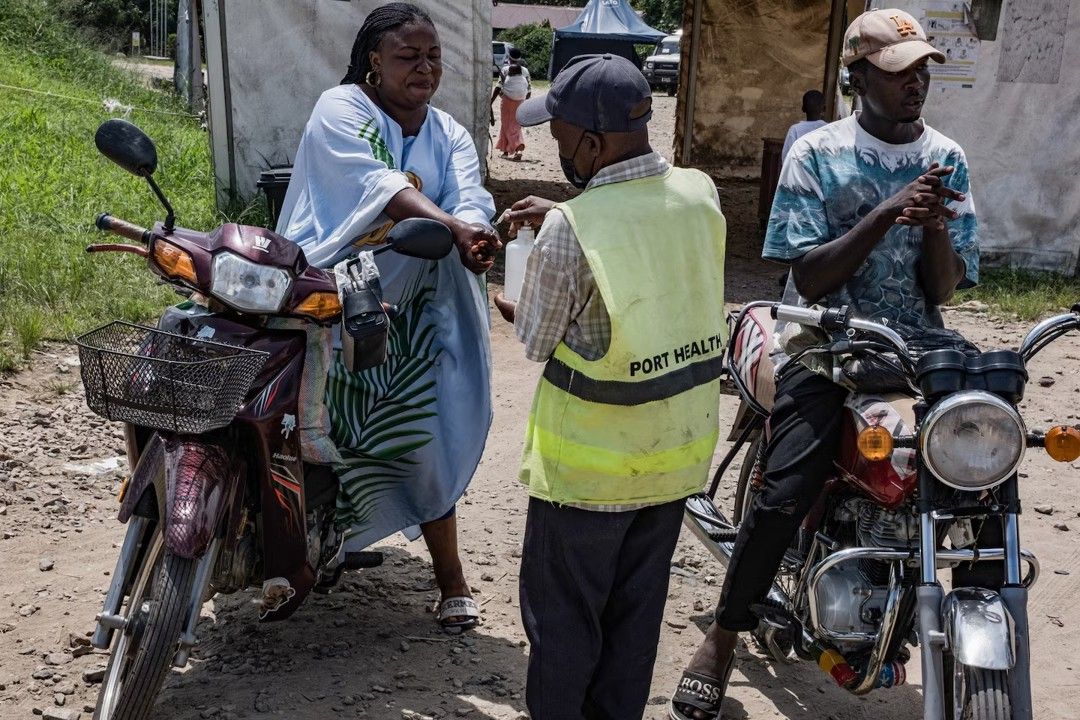
The unrest has alarmed residents who fear the disruption could allow the Ebola outbreak to worsen further. Bunia resident Anifa Kito, who sells tomatoes near the affected health zone, said she hoped authorities would resolve the standoff quickly. Meanwhile, in Washington, acting Centers for Disease Control and Prevention Director Jay Bhattacharya told staff the U.S. agency’s Ebola response, already classified at the highest activation level, would likely continue for months and require additional personnel to sustain.