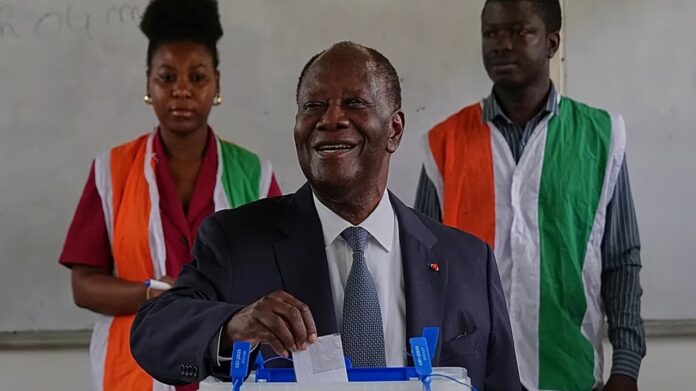
Ivory Coast has announced the dissolution of its Independent Electoral Commission (CEI) following sustained criticism from opposition parties and civil society groups over the body’s neutrality and credibility.
Government spokesperson and Communications Minister Amadou Coulibaly said the decision was taken after repeated concerns about the commission’s independence.
“In view of the reservations expressed about this institution, as well as the criticism it has faced, the Council of Ministers has decided to dissolve it,” Coulibaly said. He added that consultations would be held to establish a new electoral mechanism aimed at restoring confidence and ensuring peaceful elections.
Opposition Demands Wider Reforms
The move comes amid heightened political tensions after President Alassane Ouattara secured another term in office following a controversial election cycle in which several prominent opposition figures were excluded from contesting.
Former prime minister Pascal Affi N’Guessan welcomed the dissolution but urged authorities to launch broad consultations with political parties and civil society groups to rebuild trust in the electoral system “in the name of peace and stability.”
Opposition parties have long accused the CEI of favouring the ruling party and lacking sufficient independence to oversee credible elections. Critics argue that reforms are necessary to guarantee transparency, proper enforcement of electoral laws and fair management of the voter register.
Political Tensions vs Critics
Political tensions in Ivory Coast have remained sensitive since the deadly 2010–2011 post-election crisis, which erupted after former president Laurent Gbagbo refused to concede defeat to Ouattara, triggering violence that killed thousands.
Tensions resurfaced during the 2020 presidential election when Ouattara sought a disputed third term after a constitutional revision. Opposition groups boycotted the vote, arguing the constitution barred him from running again, while election-related clashes left dozens dead.
Authorities said the replacement of the electoral commission would be carried out through consultations with political stakeholders and civil society organizations.
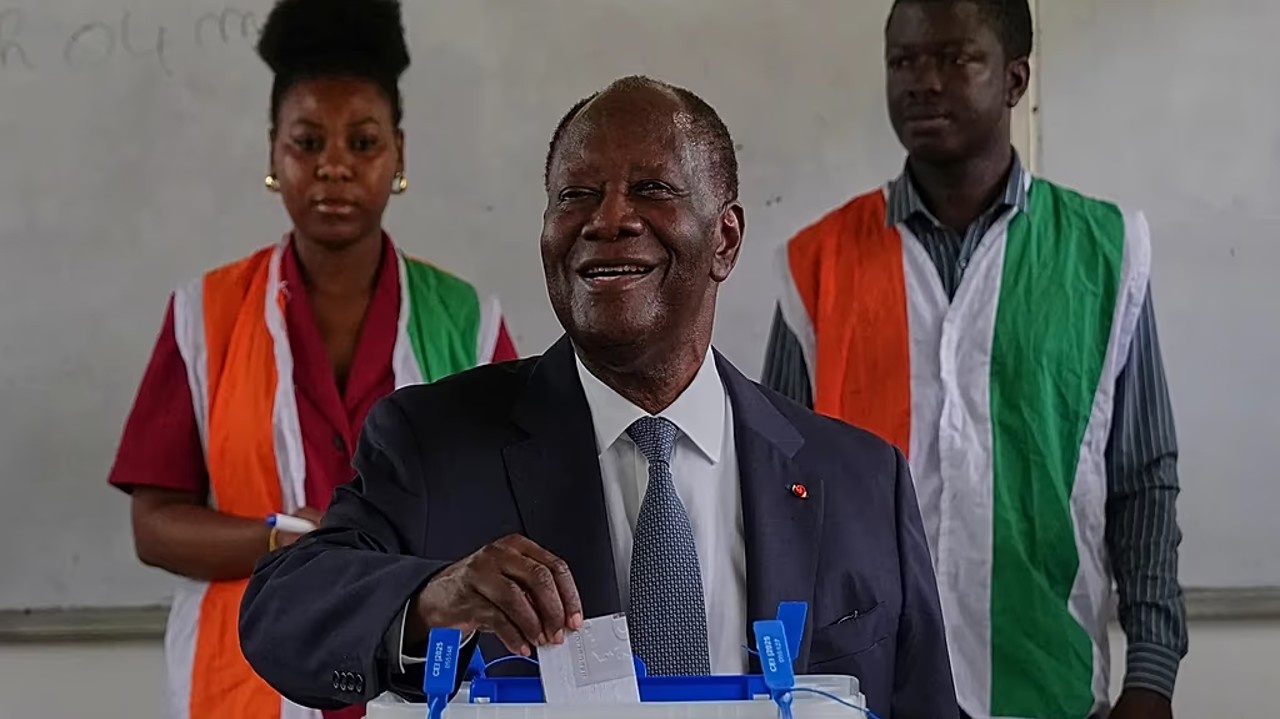 Analysts say the process will be closely watched, with concerns over whether reforms will be inclusive enough to prevent renewed political unrest in one of West Africa’s largest economies.