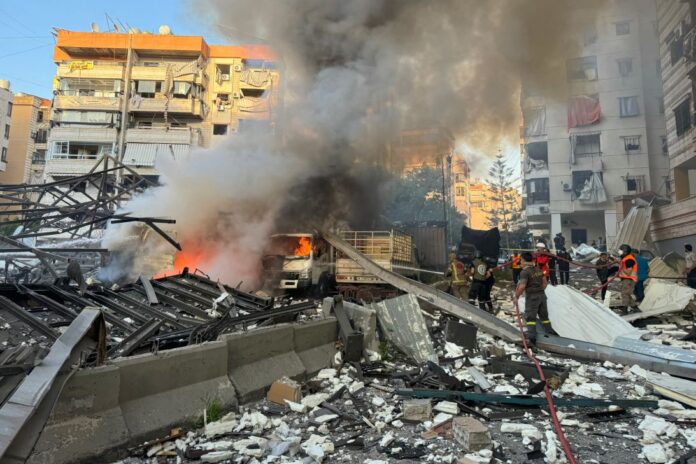
Israeli forces conducted a targeted strike in Beirut’s southern suburbs on May 6, 2026, marking the first such attack on the Lebanese capital area since a U.S.-brokered ceasefire took effect in mid-April.
The operation killed a senior Hezbollah commander and several others, raising fears that the fragile truce could collapse amid ongoing violence in southern Lebanon. As of May 7, both sides report continued clashes despite diplomatic efforts to stabilize the situation.
This latest incident comes against the backdrop of a broader conflict that reignited in March 2026. Diplomats now watch closely to see whether the Beirut strike signals a return to full-scale war or remains a limited enforcement action.
Current Conflict
Tensions between Israel and Hezbollah escalated sharply after March 2, 2026, when the Lebanese group fired rockets into Israel in response to regional developments involving Iran. Israel responded with airstrikes and ground operations in southern Lebanon, aiming to degrade Hezbollah’s military capabilities and establish a buffer zone near the border.
A U.S.-brokered ceasefire announced around April 16-17 offered a temporary pause. The agreement called for reduced hostilities, Israeli withdrawal from certain areas, and steps toward longer-term stability. Yet implementation has proven difficult. Hezbollah has continued attacks on Israeli forces in Lebanon, while Israel has maintained operations against perceived threats in the south.
The May 6 strike targeted Dahiyeh, a Hezbollah stronghold in Beirut’s southern suburbs. Israeli officials stated the operation eliminated Malek Balou (also reported as Ballout), commander of Hezbollah’s elite Radwan Force. This unit has been responsible for cross-border operations and missile attacks.
Lebanese authorities reported four people killed and at least 33 wounded in the strike, including civilians. The attack sent a strong message, according to Israeli statements, that no area is off limits if threats persist.
“This operation sends a clear signal: Hezbollah commanders responsible for attacks on Israel will face consequences anywhere they operate. We will not allow the ceasefire to become a shield for terror.” — Joint statement from Israeli Prime Minister Benjamin Netanyahu and Defense Minister Israel Katz.
Pattern of Ceasefire Violations
Since mid-April, violence has not fully stopped. Israeli strikes have hit southern and eastern Lebanon on multiple days, killing dozens. Hezbollah has responded with rockets, drones, and attacks on Israeli troops positioned inside Lebanon.
On May 5 and 6, reports indicated multiple Israeli operations across regions, with Lebanese health officials tallying significant casualties. In one period, over 40 deaths occurred in 24 hours from airstrikes. The Beirut strike stands out because it broke a period of relative calm in the capital itself.
International observers, including the United Nations, have expressed concern over the pattern. Both parties accuse the other of violations, complicating efforts to reinforce the truce.
Reported Casualties and Incidents Since Ceasefire (April 17 – May 7, 2026)
| Period | Israeli Strikes Reported | Hezbollah Attacks Reported | Lebanese Deaths (Approx.) | Key Locations Affected | Notes |
|---|---|---|---|---|---|
| April 17-30 | Moderate | Frequent in south | 200+ | Southern Lebanon, Bekaa | Buffer zone clashes |
| May 1-5 | 50+ in 24h peaks | Rockets, drones | 110+ in recent days | South, east Lebanon | High daily tolls |
| May 6 (Beirut strike) | Targeted Dahiyeh | Responses in south | 4 (Beirut) + others | Southern Beirut suburbs | Senior commander killed |
| Cumulative | Hundreds | Dozens | 2,700+ since March | Widespread | Over 1 million displaced |
Figures compiled from Lebanese health ministry, Israeli statements, and international reports as of May 7, 2026. Numbers vary by source and remain provisional.
Humanitarian and Civilian Impact
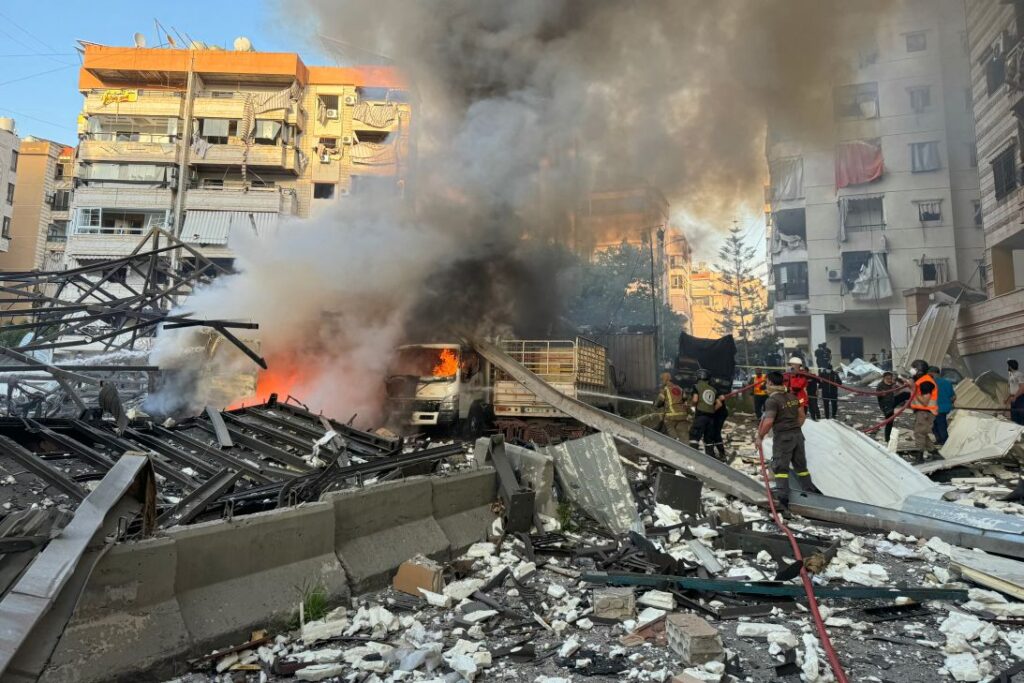
Beirut’s southern suburbs suffered material damage in the May 6 strike. Rescue teams worked through the night to clear rubble and assist the wounded. Hospitals in the area reported treating victims, including children.
Across Lebanon, the broader conflict has strained medical services, displaced families, and disrupted daily life. Schools remain closed in affected regions. Aid organizations warn of growing needs for food, water, and shelter as fighting prevents safe returns.
In southern villages, repeated strikes and artillery have destroyed homes and infrastructure. Israeli forces maintain positions in some border areas, citing security needs. Hezbollah operations add to the dangers for civilians caught in between.
International humanitarian groups call for full adherence to the ceasefire and increased aid access. The economic toll compounds existing challenges, with reconstruction costs already estimated in the billions.
Strategic and Diplomatic Dimensions
The strike on a high-value Radwan Force commander serves Israeli goals of degrading Hezbollah’s offensive capabilities. The Radwan unit specializes in infiltration and rocket barrages, making its leaders priority targets.
For Hezbollah, the attack in Beirut represents a direct challenge to the ceasefire’s spirit. The group has vowed to respond while avoiding all-out war that could devastate Lebanon further.
U.S. officials continue pushing for dialogue between Israel and Lebanon. Regional developments, including efforts to stabilize the situation with Iran, influence the dynamics. Mediators seek to prevent the Israel-Hezbollah front from derailing broader de-escalation.
Experts note the difficulty of enforcing ceasefires when deep mistrust exists and both sides retain significant military power.
“The Beirut strike tests the limits of the April agreement. Without stronger verification mechanisms and political will on all sides, these incidents risk snowballing into renewed escalation.” — Dr. Lina Khatib, Middle East analyst and director at a leading think tank.
Regional Ripple Effects
The Israel-Lebanon conflict forms part of wider Middle East tensions. Links to Iran, ongoing issues in Gaza, and energy security concerns in the Strait of Hormuz create a complex web. Strikes in Beirut draw international attention and statements from various capitals.
Lebanon’s fragile domestic politics add another layer. Hezbollah’s role as both a political party and armed group complicates national decision-making. The Lebanese government and army face pressure to assert control while avoiding direct confrontation.
Neighboring countries monitor developments closely. Syria and others host refugees and share security concerns. Global powers urge restraint to prevent a wider regional war.