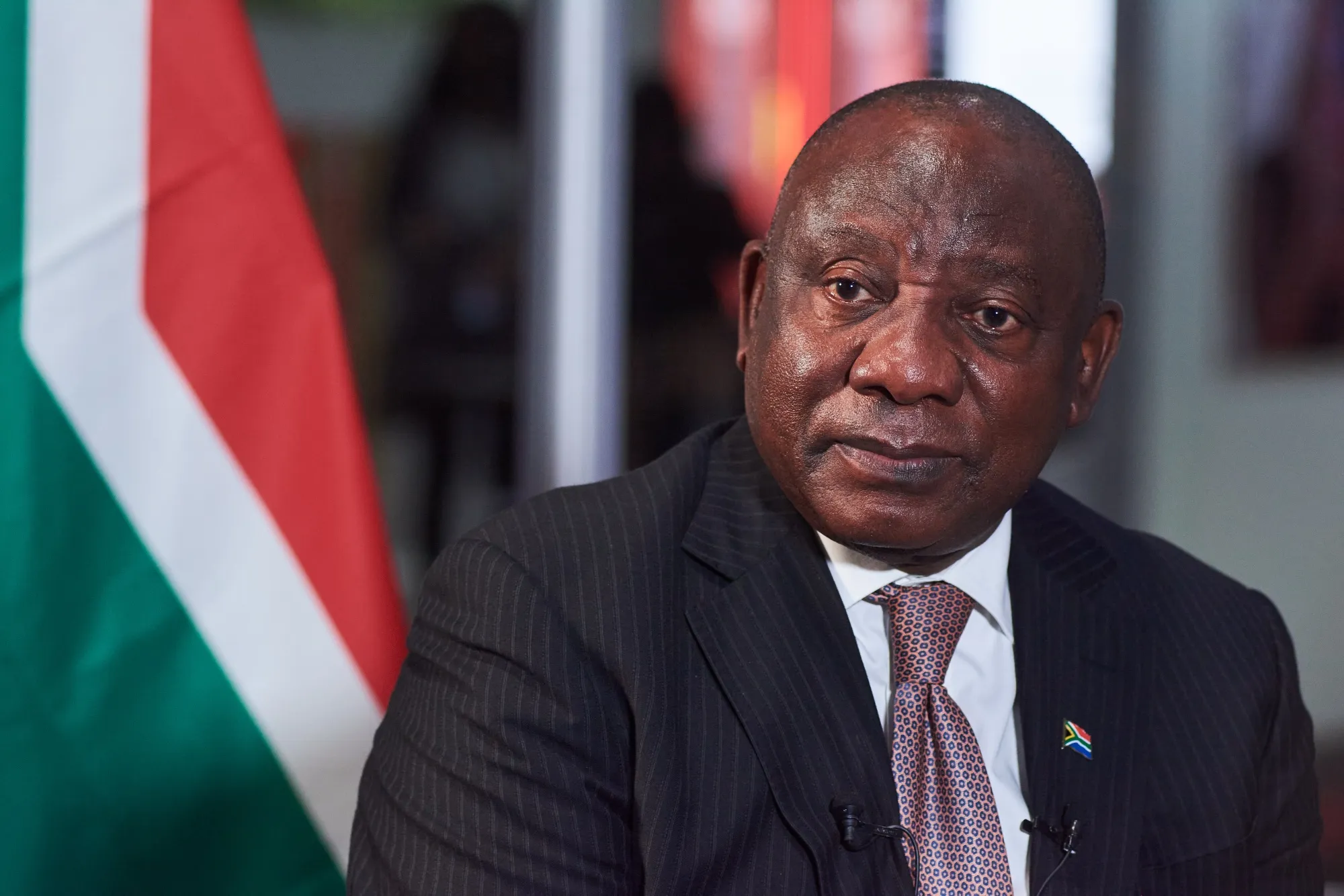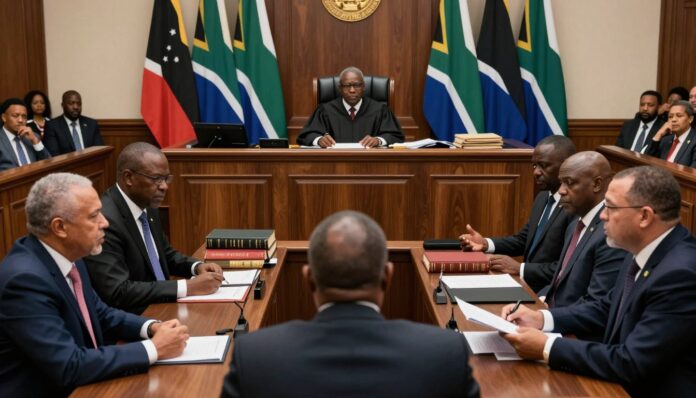
The political scene in South Africa has changed a lot after a big legal decision. This Constitutional Court ruling is a key moment for the country. It makes everyone think about how accountable the president should be.
This change has made a big difference in the South Africa’s Presidential Impeachment process. The court has shown how much power the president really has.
Legal Challenge
The journey to the recent high court ruling started with shocking revelations. These events showed a growing tension between politics and the need for clear legal answers. As trust fell, people demanded to know about the president’s actions.
Historical Background of the Allegations
The Phala Phala scandal began with a theft at the president’s game farm. Reports of undeclared foreign currency sparked debate. People wondered where the money came from and why it wasn’t reported.
Opposition parties and civil groups called for a full probe. They said the lack of transparency was a threat to the South African constitution. The scandal grew into a national crisis, needing formal answers.
The Path to Judicial Intervention
When parliament seemed unable to handle the issue, the courts became the next step. Judicial intervention was seen as a way to uncover the truth. It showed that no one is above the law.
By going to court, people hoped to set a precedent for checking executive actions. This move aimed to link words to meaningful accountability. The court’s role highlighted the importance of an independent branch in protecting democracy.
Understanding South Africa’s Presidential Impeachment Proceedings
Understanding South Africa’s Presidential Impeachment is complex. The country’s constitution is key. It makes sure any move to remove a president is legal, not just political.
Constitutional Requirements for Removal
The constitution says a president can only be removed for big law or constitution violations. Parliament picks an independent panel. This panel is usually led by a former Chief Justice.
This panel checks if there’s enough evidence for a prima facie case. They use their judicial knowledge. This keeps the first step fair and unbiased.
The Legislative Framework of Section 89
Section 89 of the Constitution outlines the steps for Parliament to hold the executive accountable. It’s clear and specific.
After the panel’s report, the National Assembly votes on impeachment. This formal mechanism ensures justice and protects the state.
The legislative process is the heart of democratic oversight. It keeps the balance between executive power and checks against abuse during South Africa’s Presidential Impeachment.
The High Court Ruling: Key Findings and Judicial Reasoning
The High Court ruling is a big deal for South African law. It shows how much power the executive has and that no one is above the law. This ruling shows the judiciary’s role in keeping power in check.
Analysis of the Court’s Interpretation of Presidential Conduct
The court looked at if the President followed the constitutional obligations of the job. They checked if the President acted right during hard times. They said the President’s power isn’t unlimited and must follow the law.
Accountability was key in the court’s decision. They checked the President’s actions against the law. This sets a rule for future leaders, making sure they are open to public and legal checks.

Procedural Fairness and Due Process Considerations
A big part of the ruling was about fairness in the impeachment process. The court said fairness is a fundamental right. Any move to remove a president must follow the law closely.
The judges said skipping these steps hurts the whole political system. They made sure the process is fair, keeping the parliament’s work safe. This legal review makes sure the law is followed, not just politics.
The Role of Evidence in Judicial Review
The court was very careful with the evidence. They needed strong proof for impeachment. This careful look at facts stopped the process from being used for politics.
In the end, the Constitutional Court ruling showed that courts need solid evidence. By focusing on facts, not just words, the court proved it’s fair. This rigorous legal review helps keep government in line.
Constitutional Implications for the Executive Branch
Recent court rulings have made us rethink the executive branch power in our system. This change shows how hard it is to keep a democracy working while stopping one group from having too much power. Clear boundaries are key to keep our system strong.
Separation of Powers and Judicial Overreach
The debate about judges getting too involved often raises concerns. Some say judges stepping in too much can hurt the executive branch’s freedom. Maintaining a strict separation of powers is important to keep each branch in its place.
But, others believe judges need to check power to stop abuse. Without this, the executive might ignore the law. Effective governance means judges watch over the constitution, not get involved in politics.
Defining the Limits of Presidential Immunity
The question of presidential immunity is big in legal talks now. Courts are saying that immunity isn’t complete. This means the president must answer for actions not part of their job.
By making immunity clearer, courts are pushing for more openness. This change makes leaders think twice about their actions. Accountability is the foundation of a good democracy, making sure everyone follows the law, no matter their job.
Political Reactions from Major South African Parties
The fight over the presidency has sparked a big debate in South Africa. It has made different groups talk about political accountability under close watch. This shows the big splits in the country’s politics.
The Stance of the African National Congress
The African National Congress (ANC) has taken a tricky stance. Leaders stress keeping the party together, even if it means not acting on impeachment right away. Internal friction is clear as some members think about the impact on the government and the need for integrity.
Those pushing for change say ignoring the legal issues could hurt the ANC’s reputation. They believe in political transparency to keep voters’ trust. This shows how party goals often conflict with what’s best for everyone.
Opposition Perspectives and Calls for Accountability
Opposition parties see the court’s decision as a chance to push for more control over the government. They say the judiciary is doing its job, showing the need for political accountability at the top. They see this as a key moment to demand more political transparency from the ruling party.
By pushing for laws to be followed, opposition leaders want the government to act like it should. They believe the law should come before party loyalty for a strong democracy. Public pressure is growing as these parties see impeachment as a key test of South Africa’s democracy.
The Role of the Section 89 Independent Panel
The Section 89 Independent Panel plays a key role in South Africa’s democracy. It makes sure the government follows the law and the Constitution. This is important for keeping the country’s democratic system strong.
When there are serious allegations against the government, the panel steps in. It checks if there’s enough evidence to remove a president. This shows South Africa’s dedication to fair checks and balances.

Mandate and Scope of the Independent Panel
The panel’s main job is to look at evidence for possible impeachable offenses. It’s not a court but an investigative body. It decides if there’s enough evidence for further action.
The panel only looks at specific allegations. This is because of the rules for removing a president. It aims to give Parliament a clear report to help decide what to do next.
Challenges to the Panel’s Findings
The Section 89 Independent Panel has faced big challenges, like the Phala Phala cash controversy. Parliament’s handling of it has made things worse. This has led to more secrecy and doubt from the public.
The lack of openness has made people question the legal review process. Some say the way things were done made it hard to get a fair outcome. This has raised doubts about the panel’s findings.
The panel’s struggles show how hard it is to do a thorough legal review in a divided political environment. Making these processes stronger is key to winning back the public’s trust in government oversight.
Impact on Parliamentary Oversight Mechanisms
The role of the legislature in checking the executive has been questioned. Parliamentary oversight is key to a democratic state’s health. If these systems fail, the balance of power is at risk.
Strengthening Legislative Accountability
To avoid future failures, the legislative process needs a big update. Lawmakers should have clear rules for investigating the executive. This ensures investigations are fair and complete.
Improving the rules of the assembly can reduce political bias. Standardizing evidence collection and review helps the legislature uphold its duties. This way, the legislative process stays a strong tool for public service.
The Balance Between Executive Power and Parliamentary Duty
A healthy democracy needs a balance between the executive and the legislature. The Section 89 Independent Panel plays a key role in this balance. It offers an unbiased view when politics gets in the way.
But, the struggle between executive power and parliamentary duty is ongoing. Parliamentary oversight must be strong enough to question the executive but not stop the government. Finding this balance is essential for the nation’s stability and the rule of law.
Public Sentiment and Civil Society Responses
The pulse of a nation is often felt through its citizens’ voices in times of crisis. In South Africa, the impeachment proceedings have sparked a big debate. This debate shows a growing need for political accountability in all government branches.
Media Coverage and Public Discourse
Mainstream media and digital platforms have led the national conversation. They provide detailed analysis of legal arguments, helping citizens understand complex issues. This heightened awareness makes political transparency a must for the government.
Social media has also played a big role, allowing for quick reactions to court decisions. This digital talk keeps officials’ actions in the public eye. The media connects the judiciary with the people.
The Influence of Advocacy Groups on Legal Outcomes
Civil society groups are key players in today’s politics. They file amicus curiae briefs, giving courts important views. Their work keeps political accountability at the heart of legal decisions.
Through public rallies and campaigns, these groups push lawmakers to follow the law. They make complex legal ideas clear and push for change. Their efforts highlight the need for political transparency to keep trust in democracy.
The mix of an informed public and active advocacy groups defends the constitution. When people stay alert, they make sure leaders act with integrity. This teamwork is essential for a strong democracy.
Comparative Analysis with International Democratic Standards
Looking at South African governance means comparing it to global democratic standards. This helps us see what works well and what needs improvement in the current laws.
How South Africa Compares to Global Impeachment Models
In many democracies, impeachment is used as a last resort. The United States, for example, has a political process that needs strong evidence. Brazil has also faced legal challenges that test presidential immunity.
South Africa’s system is similar, with the legislature playing a key role. But it uses an independent panel for the first steps. This makes the process less political than in other countries.
Lessons for Emerging Democracies
The South African case teaches important lessons for new democracies. One key point is the importance of clear laws. This helps prevent power grabs.
Civil society and the judiciary also play a big role. They act as a check on the executive. New democracies should focus on building strong, independent institutions. This ensures accountability and upholds democratic standards.
Potential Pathways for Appeal and Future Litigation
After the Constitutional Court ruling, legal minds are already thinking about what’s next. Parliament must now move forward with impeachment, setting a clear but complex path. Yet, the chance for more legal battles is a big part of the ongoing political story.
The Supreme Court of Appeal and Constitutional Court Dynamics
The bond between the Supreme Court of Appeal and the Constitutional Court is key. The Constitutional Court’s order is binding, leaving little room for lower courts to intervene. Any appeals must follow the Constitutional Court’s lead.
Lawyers are looking for any small openings for appeal. But, the court system’s structure means the Constitutional Court’s view is final. This stops endless legal fights and pushes everyone to act on the court’s decisions.
Anticipated Legal Strategies for All Parties
Both sides are working on their legal plans, focusing on presidential immunity. The executive might argue certain actions are protected, trying to narrow the impeachment inquiry. This defense aims to prevent the legislature from overstepping its bounds.
On the other hand, the opposition will push for strict accountability. They’ll argue that presidential immunity can’t shield against constitutional breaches. This debate will shape the limits of the president’s power.
The effects of these legal fights will be seen far beyond the courtroom. As these cases unfold, keeping public trust in politics is a top priority. People are watching to see if the legal system can hold leaders accountable without destabilizing democracy.
The Long-term Stability of South African Governance
Recent legal battles over presidential actions mark a key moment for the nation. South Africa must now balance its institutions with the needs of a modern democracy. This effort needs a strong focus on the rule of law for lasting stability.
Parliamentary oversight is key to keeping leaders in check. Strengthening these checks helps protect the constitution. It also prevents the abuse of power that can harm democracy.
Keeping democratic standards high is essential for public trust in government. People want transparency and fairness from their leaders. Staying true to these values will help South Africa navigate political changes.
The future depends on all government branches working together. Each must put the constitution first, not just party interests. Stay informed about these changes. Your involvement helps make politics more accountable and strong.