The loss of two top military leaders has shocked the nation. They died in a battle with insurgent forces, marking a pivotal moment for the region. This event shows the ongoing danger of Boko Haram in Chad and the risks for those fighting.
The death of these experienced commanders has a big security fallout. It makes us rethink our defense plans. Military leaders must now find ways to keep the Lake Chad basin stable.
This event is a harsh reminder of the conflict’s volatility. The government is changing its tactics, and the world is watching. The success of these changes will shape the future of peace and long-term stability in the area.
The Escalation of Violence in the Lake Chad Region
Recently, there has been a disturbing rise in deadly insurgent activity in the Lake Chad Basin. The security situation has worsened as militant groups now plan and execute large-scale attacks. This change poses a big challenge for those trying to keep the region stable.
Recent Trends in Insurgent Activity
The tactics used by insurgent activity have become more complex and deadly. Militants now use advanced tactics to hit military bases and government buildings with precision. These coordinated strikes show they have better planning and weapons than before.
These groups can now fight for longer periods against government forces. They focus on big targets to shake people’s trust in the government’s ability to keep them safe. This forces military forces to keep changing their defense strategies to face the growing threat.
The Strategic Importance of the Border Zones
The border zones in the Lake Chad Basin are key areas in this conflict. They are critical transit corridors for militants to move people and supplies easily. The area’s geography makes it hard for regular forces to track the militants.
Also, these zones are operational bases for launching attacks into other countries. Keeping control of these areas is vital for any fight against the insurgents. Without secure borders, it’s hard for governments to stop the violence, leaving people at risk of more instability.
Boko Haram in Chad: Current Operational Landscape
To understand Boko Haram in Chad, we must see their new ways of fighting. They now use sneaky and harmful tactics instead of direct attacks. This change makes it hard for security forces to keep up and defend against these new threats.
Evolution of Insurgent Tactics
The way insurgent activity works has gotten more complicated. Militants now focus on being quiet and surprising. They use hidden bombs to attack supply lines and military groups. These bombs are often set up on roads, making it risky for soldiers and civilians to move around.
The group also uses complex ambush strategies to catch patrols off guard. They use small, quick teams to attack and then disappear before help arrives. This makes it tough for regular military forces to fight them directly.
Geographic Reach and Influence
The power of Boko Haram in Chad comes from their use of hard-to-reach areas. They hide in the vast, empty lands near the border. These places are perfect for them to hide and plan without being caught.
This insurgent activity grows where the government is weak or absent. By controlling these areas, they put pressure on local people and upset the region’s peace. Their skill at hiding in plain sight is a big problem for those trying to keep the borders safe.
Profiles of the Fallen Generals
The recent loss of two high-ranking officers is a sad moment for the Chadian military. These leaders were not just soldiers; they were key planners of the nation’s defense against insurgency. Their loss will be deeply felt for years to come.
Leadership Roles in the Chadian Armed Forces
These generals played critical roles in the Chadian military throughout their careers. They oversaw border security and led elite units in the Lake Chad basin. Their leadership was marked by a deep commitment to stability and national sovereignty.
They mentored a new generation of soldiers, teaching discipline and tactics. By managing large deployments, they kept the forces united against threats. Their skill in high-pressure situations made them invaluable assets to national security.
Legacy and Military Contributions
The legacy of these fallen leaders is a part of the Chadian military‘s history. They worked to modernize defense and improve intelligence sharing. Their steadfast dedication gave security to the government and people they protected.
They were also known for their deep understanding of regional conflicts. Their loss erodes the military’s institutional memory. The nation is now reflecting on their extraordinary contributions and the reality of their absence.
Tactical Analysis of the Ambush
An in-depth look at the battlefield shows how the insurgents targeted military leaders. This was not just a random attack. It was a calculated strike aimed at weakening the Chadian forces’ command. By analyzing the attack’s timing and movement, we gain insight into the conflict’s evolution in the Lake Chad area.
Circumstances Surrounding the Attack
The ambush took place in a remote, dangerous area where the terrain helped the attackers. They used asymmetric warfare tactics, like improvised explosive devices and coordinated fire, to trap the convoy. This setup allowed the militants to cut off the generals from their support, using the military’s size against them.
The attackers knew the area well. They used natural cover and set up hidden positions before the convoy came. This shows they had been watching the route for a long time, waiting for the perfect tactical window to strike.
Security Lapses and Intelligence Gaps
The tragedy points out big intelligence gaps that let the military miss the attack. Despite knowing the risks, the convoy didn’t have the air surveillance or real-time info needed to spot the threat. These technical issues left the leaders open to an enemy that had planned their attack well.
Also, the convoy’s lack of secure communication made calling for help hard. These critical security lapses show a gap between field actions and strategic planning. Fixing these intelligence gaps is now a key focus for the military to avoid more big losses.
Impact on Chadian Military Command Structure
The death of key commanders has led to a quick reorganization of the Chadian military. This loss created a big gap in the military command. The government is working fast to fill this gap and keep security operations running smoothly.
Immediate Reorganization Efforts
The government is quickly reshaping the military’s leadership. They are putting experienced officers in key roles to keep security strong. This move aims to keep the Chadian military effective and in control.
This effort is to lessen the blow of the recent loss. Commanders are being moved to make sure no area is left open to attacks. The main goal is to keep everything running smoothly during this tough time.
Morale and Operational Readiness
The loss of leaders has shaken the troops. Keeping the Chadian military‘s morale high is key to winning against insurgents. Leaders are talking to the troops to show they care about their safety and success.
Despite the hurdles, keeping the forces ready is a top priority. The defense ministry is boosting training and support. Strategic resilience will help the military bounce back and keep doing its important work.
Regional Security Implications for the Lake Chad Basin
The Lake Chad Basin is facing a major crisis after recent security breaches. These incidents show how local violence can spread quickly. Now, a unified regional approach is key to keep peace and protect people.
Cross-Border Coordination Challenges
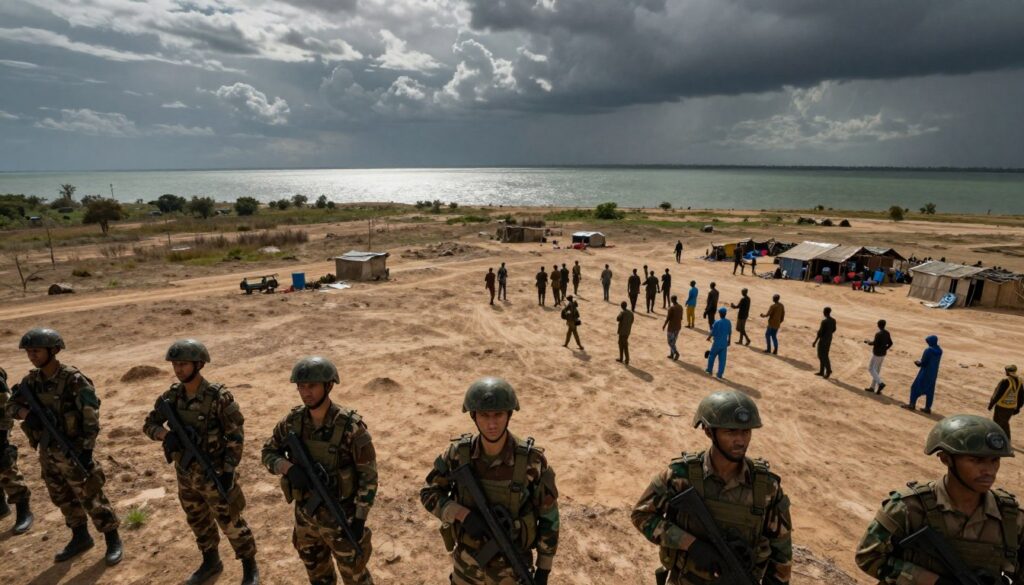
Getting countries to work together across borders is a big challenge. Militant groups use the area’s vast, open borders to hide. They take advantage of the lack of shared intelligence between security forces.
Without clear communication, military teams find it hard to track enemies across borders. This gap lets enemies plan and attack with little opposition. It’s critical to strengthen these partnerships to keep the Lake Chad Basin safe.
The Multi-National Joint Task Force Response
The MNJTF is a key player in defending the region. It brings together resources and people to fight extremism. Their goal is to have a coordinated response to the changing nature of insurgency.
But, the MNJTF faces many challenges, like logistics and politics. Success relies on member states putting regional security first. A stronger, more united strategy is needed for lasting peace in the Lake Chad Basin and better cross-border coordination.
Government Response and Counter-Insurgency Strategy
The Chadian government has started a big change in its defense plan. This change is to make the country safer and keep its freedom. They want to stop threats early before they get worse.
Policy Shifts in N’Djamena
The capital is changing how it deals with security. They are making the military command work better. This helps everyone work together to fight off the enemy.
New rules focus on using intelligence to plan attacks. This way, they can stop the enemy before they act. These changes help the country stay safe better.
Deployment of Elite Units
The government is sending in elite units to risky places. These teams are ready to act fast and protect important areas. They keep the enemy from coming in.
Using elite units is a key part of fighting back. They are placed in areas that need help the most. This shows the government is serious about making the area safe again.
International Reactions and Support
Global powers are looking at how they support Chad after losing top military leaders. They know keeping the Sahel stable is key for world security. So, they’re working to help Chad keep peace.
Diplomatic Responses from Western Allies
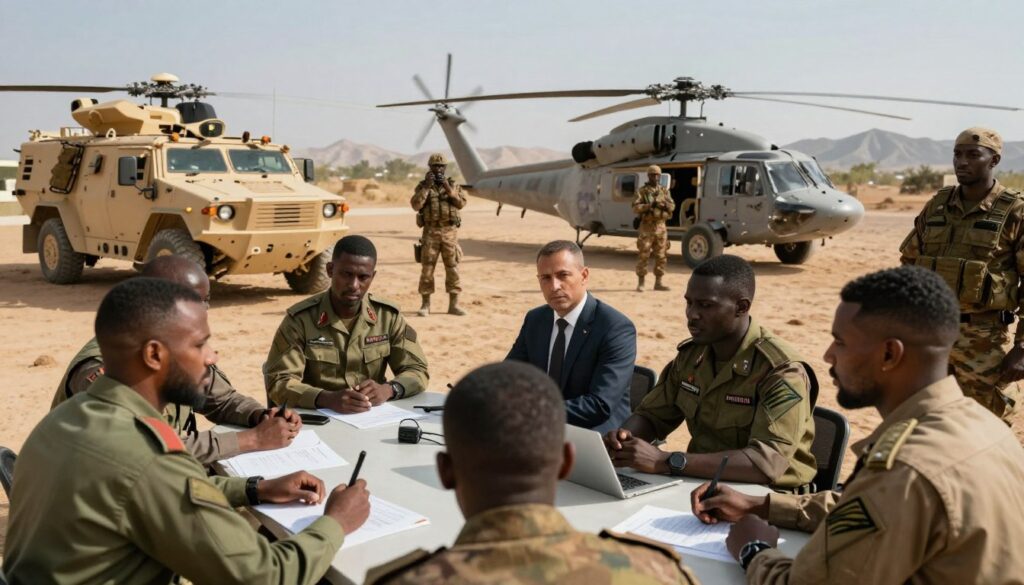
Western countries are worried about the region’s safety. They’re focusing on helping Chad fight against insurgents. This includes sharing intelligence and giving advice to boost Chad’s defenses.
Diplomatic engagement is key in these partnerships. Western allies are sending help like technical advice and supplies. Their goal is to stop more violence and keep peace in the area.
Regional Cooperation and Security Pacts
It’s important for countries to work together to stop insurgents. Neighbors are coordinating their military efforts and sharing information. This helps fill security gaps in the Lake Chad Basin.
Security agreements are the base for this teamwork. The MNJTF is key in these efforts. It helps with joint patrols and sharing intelligence among countries. This way, they can fight insurgents for a long time.
Humanitarian Consequences for Local Populations
The Sahel conflict is a tragedy for innocent civilians. Families in these areas face danger from both sides. Their mental and physical health suffers greatly as they try to live normally amidst chaos.
Displacement and Refugee Crises
Violence has pushed thousands to leave their homes. They now live in crowded camps without basic needs met. Forced migration is a harsh reality for those who can’t stay in unsafe areas.
Refugees arrive with little, straining local resources. This situation weakens the social structure of the region.
Access to Essential Services in Conflict Zones
Healthcare and education are hard to get in conflict areas. Many clinics have closed due to safety issues or lack of supplies. Children suffer the most, as schools are often used for military purposes, leaving them without education.
Helping these areas is very challenging. The risk of ambush makes delivering aid dangerous. Without safety, the situation for the most vulnerable will only get worse.
Challenges in Intelligence and Border Security
Effective counter-insurgency efforts are often hindered by surveillance and border control gaps. Stability in the Lake Chad region demands a detailed strategy. This strategy must tackle both technical and physical weaknesses. Without strong oversight, these areas are open to insurgent entry.
Technological Limitations in Surveillance
Modern warfare needs advanced tools for monitoring vast, remote areas. The military faces big intelligence gaps that stop real-time tracking of insurgent movements. The absence of high-altitude drones and satellite images leaves many desert and marshland areas unwatched.
These technological limitations make security forces use old methods for reconnaissance. When intelligence is late or incomplete, stopping attacks is hard. Closing these gaps is key to lasting regional security.
Managing Porous Borders
The Lake Chad basin’s geography makes border security very hard. Insurgents easily move people and supplies across borders. This makes it hard to stabilize the area and protect at-risk communities.
The government has started using elite units to guard risky areas. But, sealing every crossing point is almost impossible. Better coordination of these forces is needed to lessen the humanitarian crisis from ongoing instability.
In the end, fixing these infrastructure and technical issues is essential for peace. By improving border security and filling intelligence gaps, the state can safeguard its people from future dangers.
Future Outlook for Stability in the Sahel
The recent security issues in Chad highlight the delicate state of peace in the Lake Chad Basin. To tackle the Sahel conflict, we need a new approach to border management.
Boosting border security is key for military leaders and governments. New surveillance tech and better sharing of intel can stop insurgent movements. This is vital in the vast, open areas of the Sahel.
But, achieving lasting peace goes beyond military action. Leaders must also focus on humanitarian aid. This helps families who have been displaced and brings back vital services to damaged areas.
A mix of defense and development is the best way forward. International support is essential to help the region become safer and more prosperous.
Join the conversation on our social media channels about these security matters. Your views are important in the ongoing talks about peace and security in Africa.