Gunmen have attacked a passenger bus in central Nigeria, abducting a group of students who were on their way to sit university examinations, in the latest incident highlighting the country’s deepening security crisis.
The attack took place in Benue State, where armed men intercepted a commercial vehicle traveling along the busy Otukpo Makurdi highway. Officials said the passengers, including several students, were taken on Thursday as they made their way to examination centers.
Governor Hyacinth Alia confirmed the abduction in a statement, describing it as a disturbing escalation in a region already struggling with persistent violence.
The governor did not specify how many people were kidnapped, but local media reports suggested that about 14 passengers were on board the bus at the time of the attack. The lack of precise figures is common in such incidents, where information often emerges slowly due to the remote nature of many attack sites and the confusion that follows.
“The targeting of innocent citizens, particularly students on their way to sit for examinations, is unacceptable and stands against every norm of humanity and civil order,” Alia said.
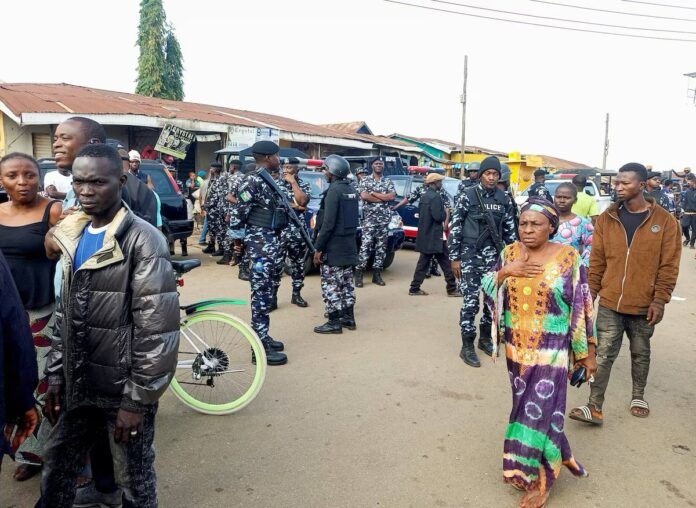
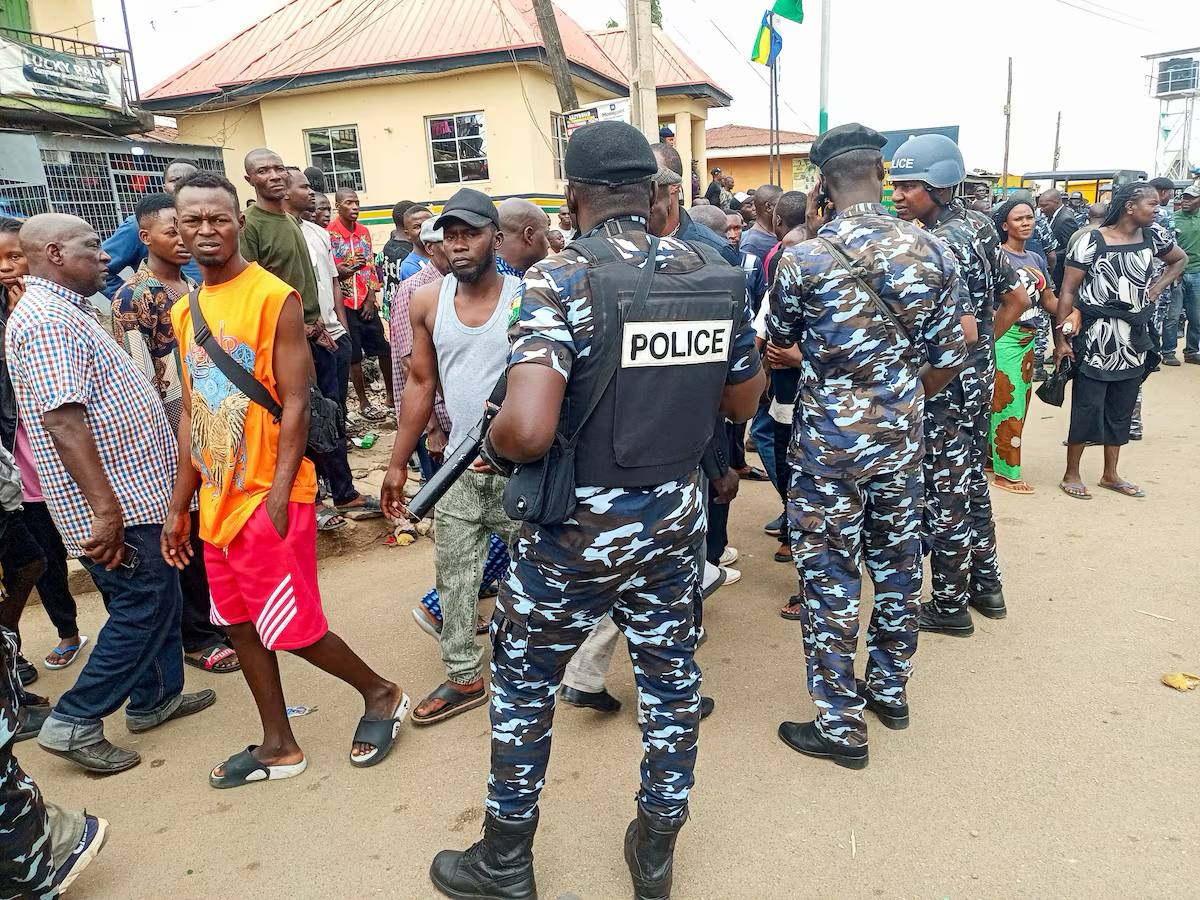
Security forces have since launched search and rescue operations across the area, with authorities saying efforts are underway to locate the victims and secure their release.
A region gripped by recurring violence
The attack is part of a broader pattern of insecurity affecting central and northwestern Nigeria. Benue State has long been considered a flashpoint, not only for criminal banditry but also for intercommunal clashes and disputes over land and resources.
In recent years, heavily armed gangs, often referred to locally as bandits, have expanded their operations beyond rural villages to include highways, where travelers are especially vulnerable. Kidnapping for ransom has become one of their primary sources of income, with victims ranging from farmers and traders to students and government workers.
No group has claimed responsibility for Thursday’s abduction. That, too, is typical. Many of these gangs operate in loosely organized networks, making attribution difficult and complicating efforts to dismantle them.
According to security analysts and reporting from multiple international outlets, these groups often exploit gaps in policing and the limited presence of state authority in rural areas. Long response times and difficult terrain further hinder rescue operations, allowing kidnappers to move captives quickly into forested hideouts.
Students as “strategic” targets
The abduction of students has become one of the most alarming features of Nigeria’s security crisis. Over the past decade, schools and universities have increasingly been targeted, in part because of the attention such attacks generate.
Analysts say students are seen as “strategic” targets. Their kidnappings tend to attract widespread media coverage and public outrage, which in turn puts pressure on authorities and families to secure their release, often through ransom payments.
The trend gained global attention following high profile mass kidnappings in northern Nigeria, and it has continued in various forms despite increased security measures. While some regions have seen improvements, others, including parts of central Nigeria, remain highly vulnerable.
In many cases, educational institutions have been forced to close temporarily or adopt stricter security protocols, disrupting academic calendars and deepening concerns about access to education. For students traveling to sit examinations, as in this latest case, the risks can be particularly acute.
Government response and ongoing concerns
Governor Alia urged residents to remain calm and to cooperate with security agencies, emphasizing that efforts are ongoing to address the situation.
“We will continue to take decisive actions to protect lives and property,” he said.
Authorities have not disclosed specific operational details, likely due to the sensitivity of ongoing rescue efforts. However, past incidents suggest that such operations can take days or even weeks, depending on the location of the captives and the willingness of kidnappers to negotiate.
At the federal level, Nigeria’s government has repeatedly pledged to tackle insecurity, deploying military forces and increasing coordination among security agencies. Yet critics argue that progress has been uneven, with many communities continuing to feel exposed.
The incident in Benue State underscores the persistent challenges facing Africa’s most populous nation. Despite various initiatives, the combination of economic hardship, weak law enforcement in rural areas, and the profitability of kidnapping has allowed armed groups to sustain their activities.

For families of the abducted students, the immediate concern is their safe return. For the country as a whole, the attack is another reminder of how insecurity continues to disrupt daily life, including something as fundamental as the pursuit of education.
As search efforts continue, the outcome of this latest abduction will likely be closely watched, both for what it reveals about the effectiveness of the response and for what it signals about the trajectory of Nigeria’s ongoing security crisis.
This article was first published on AP