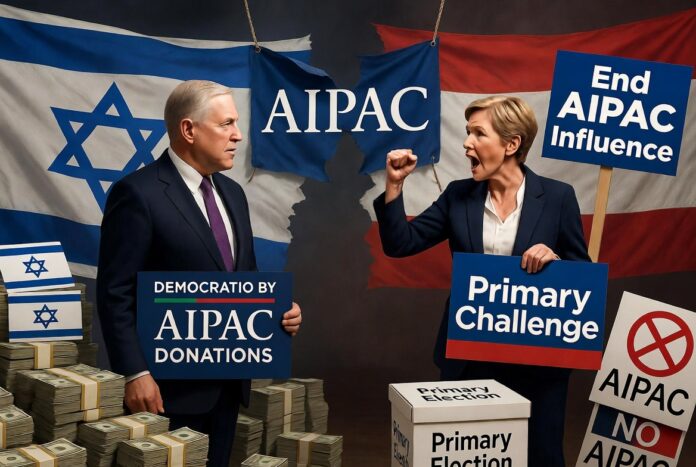
Tensions within the Democratic Party over the role of the American Israel Public Affairs Committee (AIPAC) have intensified in the lead-up to the 2026 midterm elections. Several progressive challengers are openly campaigning against the group’s spending and policy priorities, framing it as excessive foreign policy influence.
As of May 2026, the disputes have produced mixed primary results and deepened debates about campaign finance and the party’s direction on Middle East issues.
Shifting Democratic Views
While support for Israel has historically been bipartisan, polling shows declining unconditional backing among Democratic voters particularly younger and progressive ones amid the conflicts in Gaza and broader regional tensions, including the Iran crisis. Many now favor conditioning U.S. military aid or placing greater emphasis on Palestinian rights and a two-state solution.
AIPAC and its affiliated super PACs, such as the United Democracy Project, continue to spend millions to support candidates who back strong U.S.-Israel security cooperation. Critics argue this outside funding distorts primaries and locks candidates into policies misaligned with their districts. Supporters say the group defends a key strategic alliance.
In Illinois, AIPAC-linked groups spent over $20 million in March 2026 primaries. Outcomes were mixed: Evanston Mayor Daniel Biss won an open seat after making opposition to AIPAC a central issue, while several AIPAC-backed candidates also prevailed in other districts.
In Michigan, Dr. Abdul El-Sayed is challenging Rep. Haley Stevens, criticizing her ties to AIPAC and calling for an end to unconditional aid to Israel. Similar dynamics played out in New Jersey, where progressive Analilia Mejia secured a special election upset.
Progressive groups such as Justice Democrats have endorsed dozens of candidates who pledge to reject pro-Israel PAC money.
Spending Patterns
AIPAC-affiliated super PACs have deployed substantial funds, often through vehicles focused on local issues. Critics highlight the scale of spending and use of dark money, while defenders note that progressive groups also invest heavily in primaries and that all activity complies with federal disclosure rules.
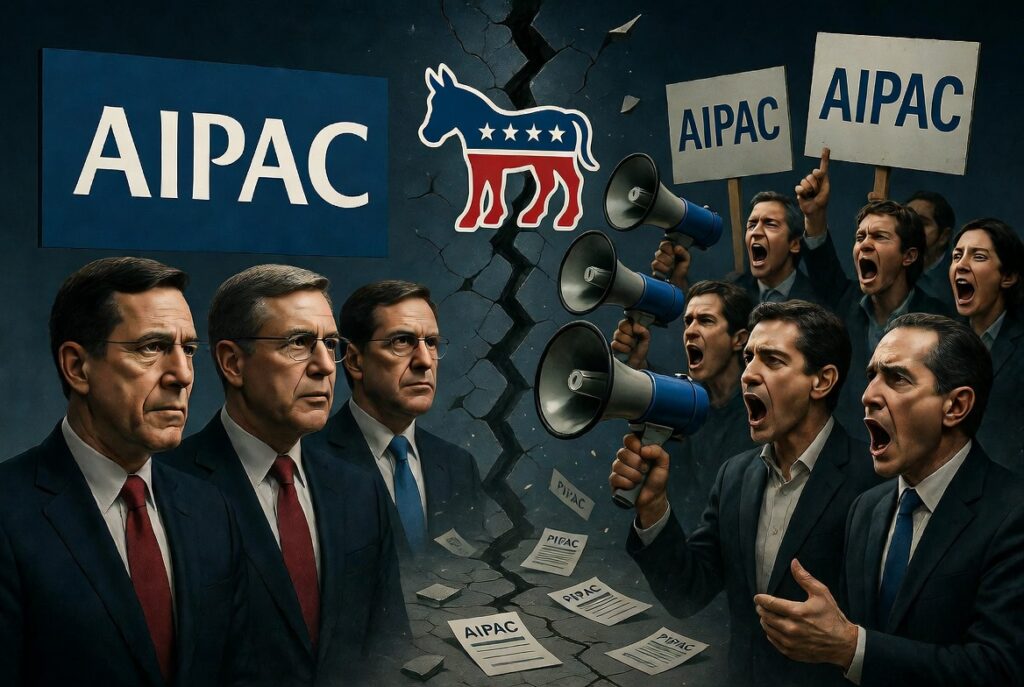
The conflicts expose deeper divisions in the Democratic coalition. Establishment Democrats worry that aggressive anti-AIPAC positioning could alienate moderate voters, Jewish communities, and major donors. Progressives view it as essential to reflect changing voter priorities and reduce the sway of single-issue lobbies.
The rifts come as public opinion among Democrats continues to shift, especially among younger voters. How the party manages these tensions could affect unity heading into the November midterms.