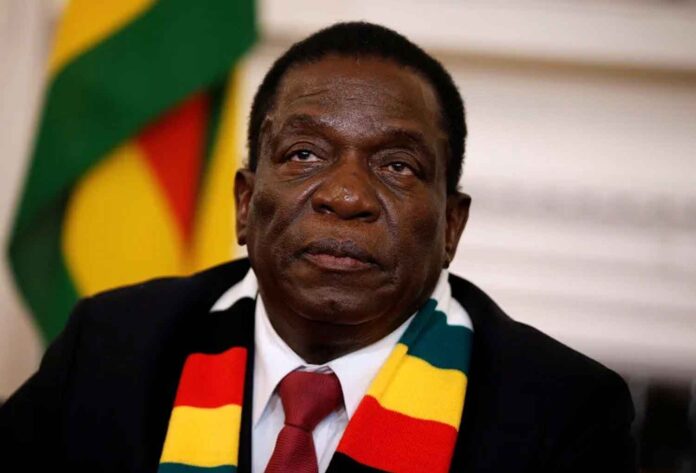
Zimbabwe Constitutional Amendment Gives Mnangagwa Powerful Term Extension Until 2030
Zimbabwe has entered a new political chapter after President Emmerson Mnangagwa signed a Zimbabwe Constitutional Amendment that extends his time in office until 2030 and introduces sweeping changes to how future presidents may be elected.
The legislation, which was recently approved by both houses of Parliament, has already sparked intense debate across the country. While supporters argue that the changes will promote political stability and allow the government to continue implementing long-term reforms, critics believe the amendment could reshape Zimbabwe’s democratic system and increase executive power.
The Zimbabwe Constitutional Amendment is expected to remain one of the country’s most significant political developments in recent years.
Zimbabwe Constitutional Amendment Extends Mnangagwa’s Presidency
Under the newly signed Zimbabwe Constitutional Amendment, President Mnangagwa’s current tenure has been extended by two years, allowing him to remain in office until 2030.
Government spokesperson Nick Mangwana confirmed that the bill officially became law after receiving presidential approval, describing it as having been “signed, sealed and delivered.”
The amendment follows its successful passage through Parliament after receiving strong backing from the ruling ZANU-PF party and Cabinet ministers.
The extension gives Mnangagwa additional time to pursue his administration’s economic and political agenda while maintaining continuity within the government.
Major Electoral Reform Introduced
One of the most significant aspects of the Zimbabwe Constitutional Amendment is the introduction of a new provision that changes how future presidents may be selected.
Instead of being elected directly by citizens through a nationwide vote, future presidents could now be chosen by members of Parliament.
If implemented, the reform would represent a major shift in Zimbabwe’s electoral system and significantly change the country’s presidential election process.
Political observers say the proposal is among the most far-reaching constitutional reforms introduced since Zimbabwe adopted its current Constitution.
A Proposal Years in the Making
Discussions about extending President Mnangagwa’s time in office first gained public attention nearly two years ago.
During political rallies, supporters of the ruling ZANU-PF party repeatedly urged the president to remain in office beyond the completion of his second term, arguing that he needed more time to continue his development agenda.
Over time, senior party officials openly endorsed constitutional changes that would make such an extension possible.
Earlier this year, the proposal received Cabinet approval before advancing through Parliament, where lawmakers voted in favour of the amendment.
With the president’s signature now secured, the plan has officially become law.
Opposition Raises Democratic Concerns
The Zimbabwe Constitutional Amendment is expected to face continued criticism from opposition parties and civil society organisations.
Opposition leaders argue that extending presidential terms and changing the country’s electoral process could weaken democratic institutions and reduce citizens’ direct role in choosing national leaders.
Critics have also expressed concerns about the concentration of political authority and the long-term implications for Zimbabwe’s constitutional democracy.
Although legal and political challenges may still emerge, the legislation has already completed the country’s formal legislative process.
Supporters Defend the Constitutional Changes
Supporters of the amendment maintain that the reforms are designed to provide political stability during an important period of national development.
They argue that extending Mnangagwa’s leadership will allow ongoing economic programmes and government projects to continue without interruption.
Backers also believe the new electoral framework could strengthen parliamentary oversight by giving lawmakers a greater role in selecting future presidents.
Government officials have consistently defended the amendment as being in Zimbabwe’s national interest.
What the New Law Means for Zimbabwe
The Zimbabwe Constitutional Amendment represents a major turning point in the country’s political future.
Beyond extending President Mnangagwa’s tenure until 2030, it introduces constitutional reforms that could permanently reshape Zimbabwe’s system of government.
Whether viewed as a step toward greater political stability or as a controversial expansion of executive influence, the legislation is likely to remain at the centre of national political debate for years to come.
As Zimbabwe moves forward under its amended Constitution, attention will focus on how the new provisions are implemented and how they affect future elections, governance, and public confidence in the country’s democratic institutions.