The Mali, Burkina Faso and Niger withdrawal from ICC has sparked concern among international leaders, with the International Criminal Court warning that the move could weaken global efforts to deliver justice for victims of war crimes and crimes against humanity.
The three West African nations, all currently led by military governments, officially announced their departure from the court last year. Their decision has reignited debates about international justice, national sovereignty, and the role of global institutions in Africa.
Mali, Burkina Faso and Niger Withdrawal From ICC Raises Global Concerns
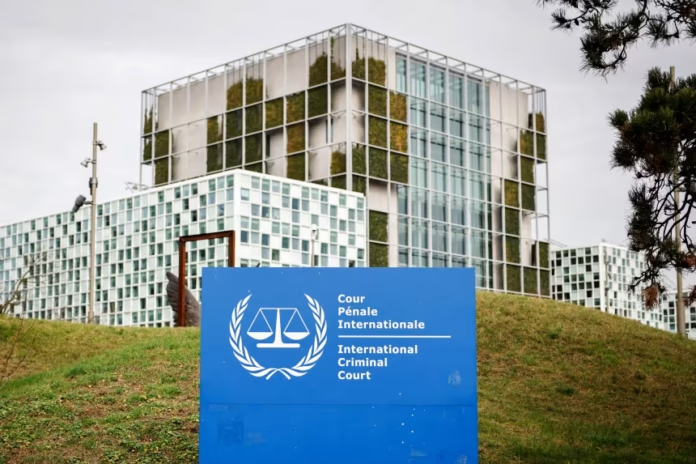
The International Criminal Court, based in The Hague, is responsible for prosecuting individuals accused of serious international crimes, including war crimes, genocide, and crimes against humanity.
Following the Mali, Burkina Faso and Niger withdrawal from ICC, the court’s Assembly of State Parties expressed regret over the decision and warned about its potential impact on the fight against impunity.
According to the assembly, countries leaving the court could weaken international cooperation and undermine collective efforts to ensure justice for victims around the world.
The statement emphasized the importance of maintaining strong global institutions that can hold perpetrators of serious crimes accountable, regardless of where those crimes occur.
Military Governments Accuse ICC of Neo-Colonial Influence
The military leaders of Mali, Burkina Faso, and Niger defended their decision by arguing that the court has become an instrument of neo-colonial repression controlled by foreign powers.
Officials from the three nations have increasingly criticized Western influence in African affairs, particularly following recent political changes across the Sahel region.
Their withdrawal reflects a broader push for greater independence in political, economic, and security matters.
Supporters of the decision argue that African countries should have stronger control over their own justice systems rather than relying on international institutions headquartered outside the continent.
Critics, however, believe abandoning the ICC could reduce accountability for serious human rights violations and weaken protections for vulnerable populations.
Alliance of Sahel States Strengthens Regional Cooperation
The Mali, Burkina Faso and Niger withdrawal from ICC comes after the three countries formed the Alliance of Sahel States in 2024.
The regional bloc was created following their exit from the Economic Community of West African States (ECOWAS), marking a significant shift in political alliances within West Africa.
The alliance focuses on mutual defense, economic cooperation, and regional integration among the three neighboring nations.
Leaders within the bloc have repeatedly stressed their commitment to building institutions that reflect what they describe as African priorities and sovereignty.
The withdrawal from international organizations such as ECOWAS and the ICC is viewed by many observers as part of that broader strategy.
ICC Membership Still Includes More Than 120 Countries
Despite the latest departures, the International Criminal Court remains one of the world’s largest international legal institutions.
Currently, the court has 125 member states that recognize its authority and cooperate with investigations and prosecutions.
However, several major global powers have never joined the organization.
Countries including the United States, China, India, Russia, and Israel are not members of the court, highlighting long-standing disagreements over international legal jurisdiction and sovereignty.
These absences have often fueled criticism about the court’s global reach and effectiveness.
Supporters of the ICC argue that its work remains essential in holding individuals accountable for crimes that national justice systems may be unable or unwilling to prosecute.
A Decision That Could Shape Africa’s Relationship With Global Institutions
The Mali, Burkina Faso and Niger withdrawal from ICC represents more than a legal decision; it reflects changing political dynamics across the African continent.
As military governments seek greater independence from international organizations, questions continue to emerge about the future of global cooperation in areas such as justice, security, and human rights.
While the ICC maintains that international partnerships are vital to ending impunity, the three Sahel nations insist that their decisions are necessary to protect sovereignty and reduce external influence.
The long-term effects of their withdrawal remain uncertain, but the move has undoubtedly intensified discussions about the role of international institutions in Africa and the balance between national authority and global accountability.