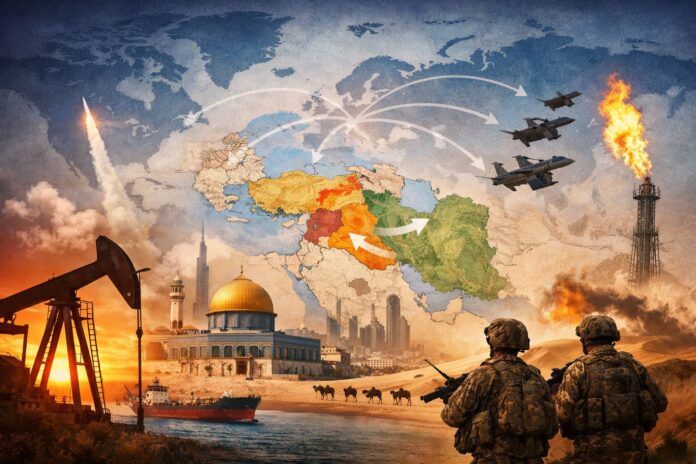
The Middle East remains one of the most strategically significant regions in the world, continuing to shape global politics, economics, and security in profound and often unpredictable ways.
While attention in recent years has shifted toward the rise of Asia and the growing influence of emerging economies, the Middle East has not lost its relevance.
Instead, it has evolved into a region where traditional power struggles intersect with modern ambitions, creating a complex and dynamic geopolitical landscape.
For decades, policymakers, analysts, and global institutions have grappled with the region’s challenges and opportunities. From conflicts that have redrawn national boundaries to economic transformations that are redefining entire societies, the Middle East sits at the center of global conversations. Its influence extends far beyond its borders, affecting decisions made in Washington, Beijing, Brussels, and beyond.
A Region That Refuses to Be Ignored
Understanding why the Middle East still matters requires looking beyond headlines and examining the deeper forces at play. These include energy resources, geography, security dynamics, global power competition, and internal transformations that are reshaping the region from within.
Energy and the Global Economy
One of the most enduring reasons for the Middle East’s global importance is its role in the energy market. Countries such as Saudi Arabia, Iran, and United Arab Emirates possess vast reserves of oil and natural gas, making them central players in global energy supply.
Despite increasing investment in renewable energy sources, oil and gas continue to power much of the world’s economy. Industries, transportation systems, and national infrastructures still rely heavily on fossil fuels, and the Middle East remains one of the most reliable sources of these resources. This means that any disruption in the region, whether due to political tensions, military conflict, or internal instability, can have immediate and far-reaching consequences.
Oil prices are particularly sensitive to developments in the Middle East. A single escalation involving key producers or critical infrastructure can send global markets into volatility. This affects not only major economies but also developing countries that depend on stable energy prices for growth and stability.
At the same time, countries within the region are beginning to recognize the need to diversify their economies. Saudi Arabia, for example, has launched ambitious plans to reduce its dependence on oil revenue, investing in sectors such as tourism, technology, and entertainment. The United Arab Emirates has similarly positioned itself as a hub for finance, innovation, and global business. These efforts signal a shift in how the region engages with the global economy, even as energy remains a cornerstone of its influence.
The Geography
The Middle East’s geographical location is another key factor in its global significance. Situated at the crossroads of Asia, Africa, and Europe, the region serves as a vital link in international trade and transportation networks.
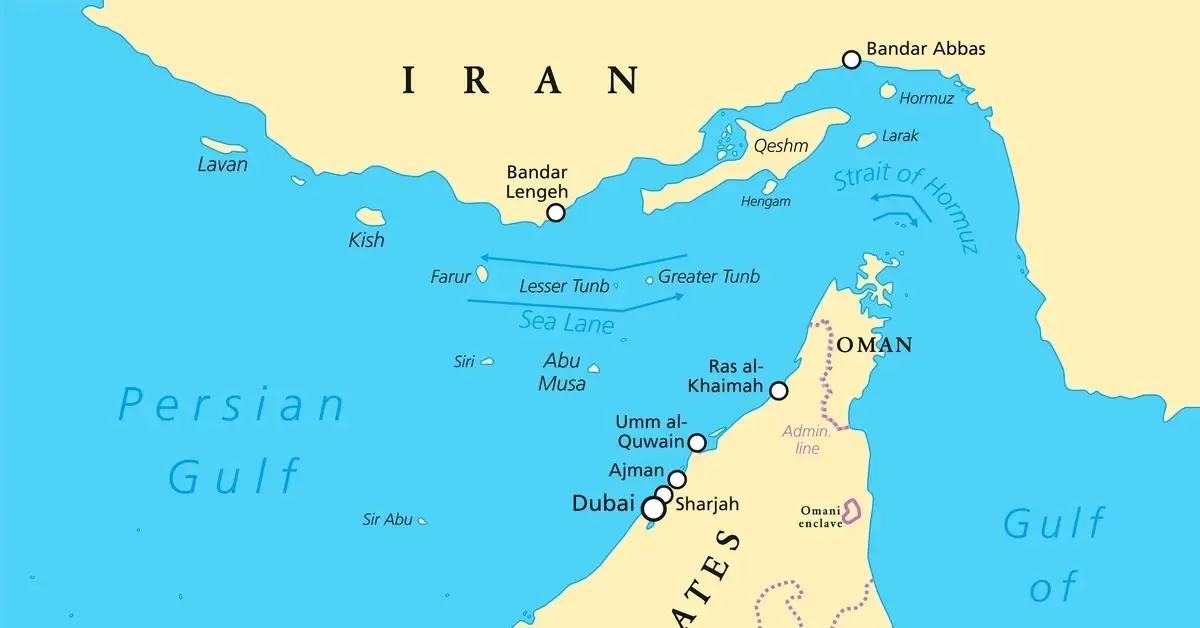
Critical waterways such as the Suez Canal and the Strait of Hormuz play an essential role in global commerce. The Suez Canal connects the Mediterranean Sea to the Red Sea, significantly shortening shipping routes between Europe and Asia. Meanwhile, the Strait of Hormuz is one of the most important chokepoints in the world, with a substantial portion of global oil shipments passing through it each day.
Any disruption to these routes can have immediate consequences for global trade. Delays, blockages, or security threats can increase shipping costs, disrupt supply chains, and create ripple effects across industries. This was demonstrated in recent years when temporary disruptions in key shipping lanes led to widespread economic consequences.
The region’s geography also makes it a focal point for military strategy. Control over key locations provides significant advantages in terms of surveillance, defense, and power projection. As a result, both regional and global powers maintain a strong presence in the Middle East, further reinforcing its strategic importance.
Conflict and Security Dynamics
The Middle East has long been associated with conflict, and while this perception can sometimes overshadow other aspects of the region, it remains an important part of its global relevance. Ongoing tensions and unresolved disputes continue to shape international security policies and alliances.
Countries such as Israel, Syria, and Iraq have been central to conflicts that draw international attention and involvement. These conflicts are rarely isolated; they often involve multiple actors, including regional rivals and global powers.
The complexity of these situations lies in the interplay of political, religious, and ethnic factors. Historical grievances, territorial disputes, and ideological differences all contribute to tensions that can persist for decades. Efforts to resolve these conflicts are often complicated by shifting alliances and competing interests.
The impact of conflict in the Middle East extends beyond the region itself. Issues such as refugee movements, terrorism, and regional instability have global implications, influencing policies in Europe, North America, and beyond. This interconnectedness ensures that developments in the Middle East remain a priority for international leaders.
Global Power Competition
In recent years, the Middle East has become an arena for competition among major global powers. The United States has long been a dominant presence in the region, maintaining military bases and strategic alliances. However, other powers, including Russia and China, have increasingly sought to expand their influence.
Russia has played a significant role in conflicts such as the Syrian war, using its involvement to strengthen its position on the global stage. China, on the other hand, has focused on economic engagement, investing in infrastructure and energy projects as part of its broader international strategy.
This competition adds another layer of complexity to the region. Local conflicts can take on global significance as external powers become involved, either directly or indirectly. At the same time, countries within the Middle East are leveraging these relationships to advance their own interests, balancing partnerships to maximize their strategic advantages.
The result is a dynamic environment where global and regional politics intersect, making the Middle East a key area of focus for international diplomacy and strategy.
Transformation and Modernization
While much of the global narrative about the Middle East focuses on conflict, it is equally important to recognize the significant transformations taking place within the region. Many countries are undergoing rapid modernization, investing in infrastructure, technology, and education.
The United Arab Emirates, for instance, has emerged as a global hub for business and innovation, attracting investment from around the world. Cities like Dubai and Abu Dhabi have become symbols of what economic diversification and strategic planning can achieve.
Saudi Arabia is also pursuing ambitious reforms aimed at reshaping its economy and society. These include efforts to expand tourism, develop new industries, and increase opportunities for its young population. Such initiatives reflect a broader trend across the region, as governments seek to prepare for a future where oil is no longer the dominant economic driver.
These changes are not without challenges. Balancing modernization with cultural traditions, addressing economic inequality, and managing political expectations are all complex issues that require careful navigation. However, they also represent opportunities for growth and development that could redefine the region’s global role.
A Region of Diversity and Resilience
One of the most overlooked aspects of the Middle East is its diversity. The region is home to a wide range of cultures, languages, and traditions, each contributing to its rich and complex identity. From ancient civilizations to modern urban centers, the Middle East encompasses a spectrum of experiences that cannot be reduced to a single narrative.
This diversity is matched by a remarkable degree of resilience. Despite decades of conflict and instability, many societies within the region have demonstrated an ability to adapt and endure. Communities continue to rebuild, innovate, and find ways to move forward in the face of adversity.
Understanding this resilience is essential for a more balanced view of the Middle East. It highlights not only the challenges the region faces but also its potential for growth and transformation.

From energy markets to international security, from trade routes to cultural exchanges, the Middle East plays a role in shaping the world we live in. Ignoring it is not an option for policymakers, businesses, or anyone seeking to understand global affairs.
As the world continues to change, the Middle East will remain a key part of the global story. Its challenges and opportunities will continue to influence decisions and outcomes far beyond its borders, ensuring that it remains a region that cannot be overlooked.