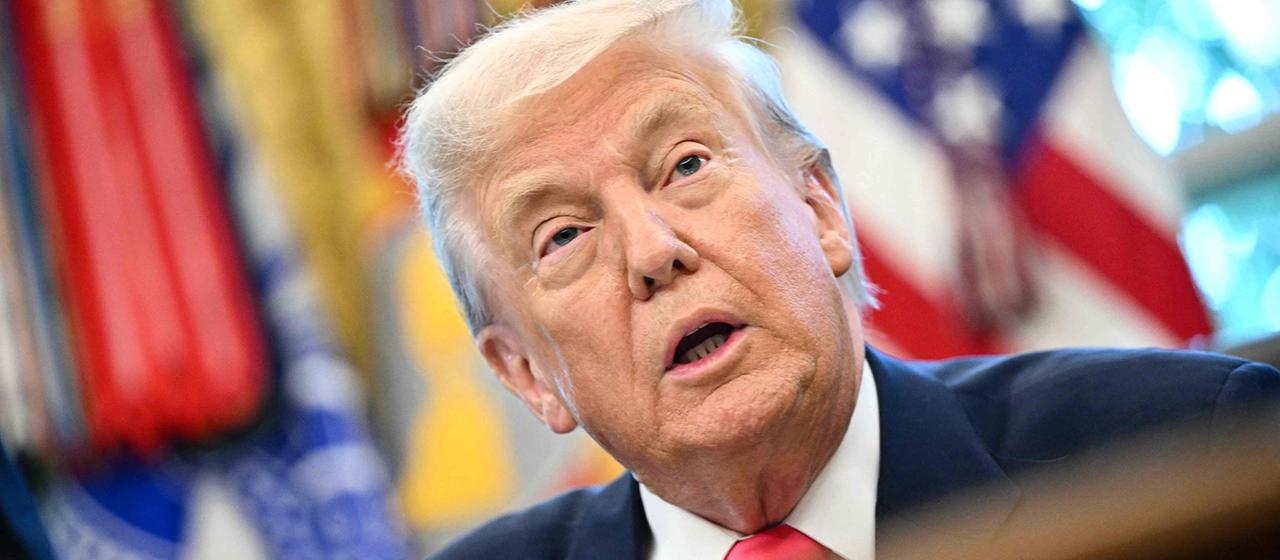
Donald Trump has issued Iran a 48-hour deadline to open the Strait of Hormuz or face the destruction of its energy infrastructure, marking a sharp escalation in an already volatile conflict that is drawing in global attention and raising fears of wider regional war.
In a post on Truth Social on Saturday evening, the US president threatened to “obliterate” the country’s power plants, in a dramatic shift in tone that came barely a day after he spoke about the possibility of “winding down” the war. The abrupt change underscores the unpredictability of the crisis and the high stakes tied to one of the world’s most critical maritime chokepoints.
“If Iran doesn’t FULLY OPEN, WITHOUT THREAT, the Strait of Hormuz, within 48 HOURS from this exact point in time, the United States of America will hit and obliterate their various POWER PLANTS, STARTING WITH THE BIGGEST ONE FIRST!” Mr Trump wrote.
The ultimatum signals a potential expansion of US military objectives, moving beyond conventional targets toward infrastructure that directly affects civilian life in Iran. Analysts say such a move would represent a significant escalation with far-reaching humanitarian and geopolitical consequences.
Rising Risks Beyond the Region
Mr Trump’s threat landed as the war entered dangerous new territory on Saturday, with Israeli officials claiming that Iranian forces had for the first time fired long-range missiles, expanding the risk of attacks far beyond the Middle East.
Iran launched two 2,400-mile-range ballistic missiles at the British-US military base Diego Garcia on the Chagos Islands, a remote but strategically vital installation in the Indian Ocean. The reported strike, if confirmed in full detail, would mark a major expansion in the geographic scope of the conflict, demonstrating Iran’s ability to project force across vast distances.
Israeli officials also warned Sir Keir Starmer that Tehran had developed missiles capable of striking London, raising alarm in European capitals and intensifying concerns about the reach of Iran’s military capabilities. Western intelligence agencies have long monitored Iran’s missile program, but recent developments suggest significant advancements in both range and targeting.
Military experts note that such capabilities could alter strategic calculations for NATO members and regional allies, potentially drawing them more directly into the conflict. The prospect of long-range strikes has also heightened tensions in global energy markets, given the central role of Middle Eastern stability in oil supply.
Iran Signals Retaliation
Iran fired back shortly after the US president’s threat, issuing a warning that any attack on its power plants would trigger a sweeping response targeting US-linked infrastructure across the region.
“If Iran’s fuel and energy infrastructure is violated by the enemy, all energy, information technology and desalination infrastructure belonging to the US and the regime in the region will be targeted,” the Iranian military’s operational command Khatam Al-Anbiya said in a statement.
The language points to a strategy of asymmetric retaliation, with Iran signaling it could strike not only traditional military targets but also civilian and economic infrastructure. Such a response could disrupt vital services, including water desalination facilities that are essential in Gulf states, as well as digital networks and oil production systems.
Regional observers say this reflects Iran’s broader doctrine of deterrence, which relies on the threat of widespread disruption to offset the superior conventional military capabilities of the United States and its allies.
Iran’s largest power plants include the Damavand power plant near Tehran, the Kerman plant in the southeast, the Ramin steam power plant in Khuzestan province, and the country’s sole nuclear plant at Bushehr, according to industry and energy databases.
These facilities form the backbone of Iran’s electricity grid, supporting both industrial activity and daily civilian life. Targeting them would likely have immediate and severe consequences for millions of people, potentially leading to prolonged blackouts, economic paralysis, and humanitarian challenges.
Strategic Importance of the Strait
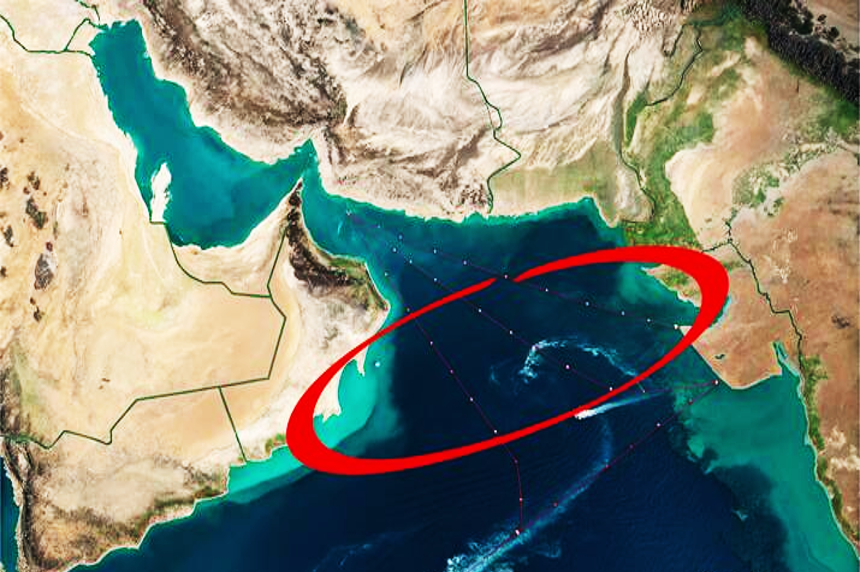
At the center of the crisis lies the Strait of Hormuz, a narrow passage that connects the Persian Gulf to the open ocean and serves as one of the most critical arteries for global oil shipments. Roughly a fifth of the world’s oil supply passes through the strait, making it a focal point of international concern whenever tensions rise.
Any disruption to shipping in the strait can have immediate ripple effects on global energy prices, supply chains, and economic stability. In past confrontations, even limited incidents such as tanker seizures or naval skirmishes have sent markets into turmoil.
Iran has repeatedly threatened to close or restrict access to the strait in response to Western pressure, viewing it as a key leverage point. The United States, along with its allies, has consistently maintained that freedom of navigation in the waterway is non-negotiable and has deployed significant naval assets to ensure its security.
The current standoff raises the possibility of direct confrontation in and around the strait, with naval forces operating in close proximity under heightened alert conditions. Military analysts warn that the risk of miscalculation is high, particularly in such a confined and strategically sensitive environment.
The latest developments come against a backdrop of years of escalating tensions between the United States and Iran, punctuated by sanctions, proxy conflicts, and periodic military incidents. The situation has been further complicated by Israel’s ongoing confrontation with Iranian-backed groups across the region.

Diplomatic efforts to de-escalate have so far struggled to gain traction. European leaders have called for restraint on all sides, emphasizing the need to avoid actions that could spiral into a broader war. At the same time, Gulf states are watching closely, aware that their own infrastructure could become targets in any expanded conflict.
Energy markets have responded nervously to the latest rhetoric, with traders factoring in the possibility of supply disruptions. Shipping companies have also begun reassessing risk levels for vessels operating near the Strait of Hormuz, potentially leading to higher insurance costs and reduced traffic.
Within the United States, Mr Trump’s ultimatum is likely to provoke debate over the scope and objectives of military involvement. Expanding strikes to include civilian infrastructure could raise legal and ethical questions, as well as concerns about unintended consequences.
For Iran, the stakes are equally high. While its leadership has signaled readiness to retaliate, it must also weigh the risks of further escalation against the potential costs to its economy and population.

As the 48-hour deadline ticks down, the situation remains fluid and fraught with uncertainty. The coming days will be critical in determining whether the crisis moves toward confrontation or finds a path, however narrow, toward de-escalation.
This article was first published on Telegraph