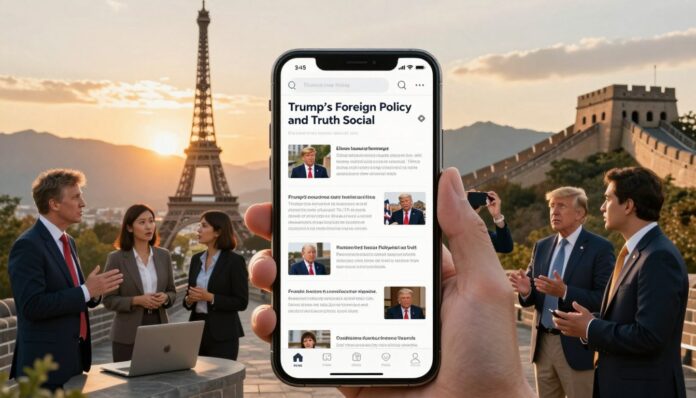
Digital platforms have changed how leaders talk to the world. Now, direct messages are key in shaping US international relations.
Looking at recent updates helps us understand global diplomacy’s future. Many now check Truth Social to guess the meaning behind big political actions.

This article dives deep into how digital talks affect current events. We’ll see how Trump’s Foreign Policy is shared through these short, powerful messages. Knowing this is key for anyone following American global strategy in 2026.
Key Takeaways
- Digital platforms are now primary tools for shaping global diplomatic discourse.
- Direct messaging allows leaders to bypass traditional media channels entirely.
- Analyzing online rhetoric provides early insights into possible shifts in national strategy.
- Public perception is increasingly influenced by real-time updates from political figures.
- Tracking these posts helps clarify the direction of future international engagements.
The Digital Diplomacy Shift
Presidential communication has changed a lot. It’s no longer just about press briefings. Now, leaders talk to people and other countries fast.
The Evolution of Presidential Communication
Before, leaders wrote statements and sent them slowly. Now, presidential communication is fast. It often skips traditional media.
This change lets leaders talk directly to the world. It means public opinion can change fast, based on what leaders say right away.
Direct Engagement vs. Traditional Statecraft
Digital diplomacy is new. Leaders now share their plans on social media. This is different from the quiet talks of the past.
This new way has good points:
- It’s faster to set the global agenda.
- Leaders can talk to people worldwide without middlemen.
- They can see how people react to new policies quickly.
But, there are also big risks. Fast, direct messages can cause problems in international relations. The chance for mistakes is higher when leaders speak without filters.
Analyzing Trump’s Foreign Policy Through Social Media
In today’s politics, Truth Social is key for big Trump’s Foreign Policy announcements. This digital move changes how we see American plans. It moves from formal press releases to direct, raw updates.
Decoding the Truth Social Algorithm
The platform is like a special world where what gets seen depends on how people interact with it. By seeing which posts get more attention, we can guess what the administration values most.
Understanding the algorithm is key for those watching for diplomatic clues. It shows how certain stories get spread far and wide to reach many supporters and world leaders at once.
Identifying Key Policy Themes in Recent Posts
Lately, Trump’s Foreign Policy posts on the platform show clear patterns. They often talk about economic strength, keeping borders safe, and rethinking global deals.
By sorting these themes, experts can see the administration’s big plans. This helps paint a clearer picture of what will likely shape diplomacy soon.
The Role of Short-Form Messaging in Policy Formulation
The short nature of Truth Social posts makes policy messages sharp and clear. Each post is like a brief order, showing big changes in what matters to the nation without the confusion of usual diplomatic talk.
This concise style is a strong tool for setting the agenda. It keeps the main message clear, making it hard for others to misread it.
Stance on Transatlantic Alliances and NATO
Recent digital updates have sparked a lot of debate about transatlantic alliances and global security. It seems like we’re moving towards a more transactional way of dealing with international partnerships. This change has many wondering how it will affect the stability of Western security.
Revisiting Burden-Sharing Requirements
The new policy focuses on how much money each nation puts into NATO. The administration says the current contributions are not enough. They believe that increased burden-sharing is essential for strong alliances.
This push for more defense spending aims to make sure everyone contributes fairly to regional stability. By making countries pay their fair share, the U.S. hopes to lighten its financial load. This means countries need to focus more on their own military strength.
The Future of Collective Defense Commitments
The debate over NATO brings up big questions about the reliability of mutual defense agreements. There’s a growing focus on national sovereignty, which sometimes conflicts with the idea of collective security. This could change how transatlantic alliances work in the future.
If countries don’t meet certain standards, the commitment to defend each other might be rethought. This uncertainty makes it hard for global leaders who count on these security frameworks. The success of these agreements will depend on whether all parties can align their interests with these new expectations.
Trade Relations and Tariff Strategies
The world of international business is changing fast. This is because of direct policy announcements on social media. These updates are changing how the United States does global trade.
Investors and business leaders are watching these platforms closely. They want to know what the next big economic move will be.
Proposed Shifts in Global Trade Agreements
There’s talk of moving away from big, global agreements. Instead, there’s a push for smaller, more flexible deals. This focus is on making things in the U.S. and reducing dependence on other countries.
Flexibility is key. It lets the U.S. quickly change its economic plans as needed.
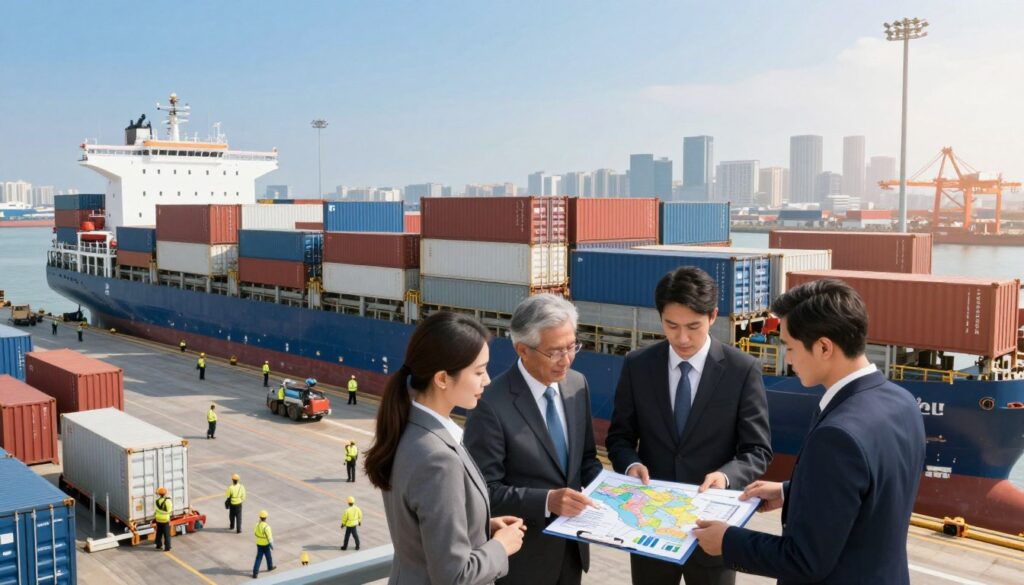
Experts think these tariff strategies are to get better deals in talks. By showing a willingness to shake things up, the U.S. hopes to get better terms for its industries. This is a big change from the old ways of doing things.
The Impact of Protectionist Rhetoric on Markets
Protectionist talk has added a lot of uncertainty to the financial world. Markets can get very volatile when certain industries are targeted online. This makes it hard for companies to plan their future.
Investors are worried about possible retaliation from other countries. When global trade is used for political messages, it can slow down the economy. Companies are now being more careful to avoid these risks.
Analyzing Specific Tariff Threats Mentioned Online
Recent posts have mentioned certain sectors that might face new taxes soon. These threats are real and aim to change the competitive scene. Key areas include:
- Automotive components and manufacturing equipment.
- Consumer electronics and raw material imports.
- Agricultural products subject to reciprocal duties.
These tariff strategies warn foreign competitors that things are changing. By sharing these plans on social media, the U.S. makes sure its economic goals are talked about a lot. Economists are debating the long-term effects of this approach.
The Approach to Middle Eastern Stability
Recent signs point to a new way of thinking about Middle Eastern stability. Instead of slow, careful planning, the current team wants to act quickly. They’re moving away from traditional politics and towards a more spontaneous approach.
Regional Security Priorities and Alliances
The way we think about regional security is changing. Now, we focus on quick, bold actions. We’re skipping the usual diplomatic steps for unfiltered communication with our allies.
Here are the main goals for this new security plan:
- Building stronger ties with countries that help our economy right now.
- Lessening our dependence on big, slow agreements that limit our freedom to act.
- Putting a priority on rapid response capabilities over getting everyone to agree slowly.
- Being flexible and ready to change our plans quickly if needed.
Shifting Perspectives on Long-Term Involvement
The administration is thinking differently about how long we’ll stay involved. They might take a bold step against Iran, which could change everything.
This change means we’re not always in for the long haul anymore. We’re focusing on what we need right now. By ditching long-term plans, they hope to bring Middle Eastern stability through a more unpredictable and strong presence.
This new way of doing things aims to cut down on the costs of being involved for too long. But, whether it will bring peace or more trouble is a big debate among experts.
Navigating the US-China Economic Rivalry
The US-China economic rivalry is a major issue in today’s world. It’s not just about trade anymore. It’s about who will lead in technology and industry. This rivalry makes the world economy very uncertain.
Technological Competition and Supply Chain Decoupling
Now, countries want to be tech independent. They’re working on decoupling supply chains from other countries. This is to keep their industries safe from problems.
Some key areas are being focused on:
- Semiconductor manufacturing and advanced chip production.
- Artificial intelligence research and development.
- Rare earth mineral processing and battery technology.
- Telecommunications infrastructure and 5G network security.
By making things at home, countries aim for stability. This big change shows how the US sees its US-China economic rivalry today.
Diplomatic Tensions and Trade War Escalations
Digital talks have changed how countries talk to each other. Quick words can cause market shakes. These words often hint at trade policy changes before talks start.
Trade wars are a big worry for everyone. Aggressive words can lead to trade fights. This makes it hard for big companies to deal with the US-China economic rivalry.
Keeping communication open is key to avoid big economic fights. But, today, loud statements are more common than quiet talks. So, the world economy must be ready for quick trade rule changes.
Rhetoric Regarding Global Climate Agreements
Global climate agreements are under close watch as the administration shifts focus to domestic resource control. Recent digital updates show a clear move away from past global commitments. Now, they favor a more local way of managing resources.
Prioritizing Energy Independence Over International Accords
The administration believes that energy independence is key to national security. They say that by focusing on domestic production, the country can avoid the ups and downs of global markets.
They see international agreements as obstacles to economic growth. They believe that strict environmental targets could limit the use of domestic oil, gas, and coal.
The Stance on Environmental Regulations and Global Cooperation
The skepticism towards wide environmental rules is a key part of this policy change. The administration often doubts the fairness of global rules. They say these rules unfairly burden the United States while letting others off the hook.
This stance shows a preference for sovereign decision-making over working together globally. It’s clear that the current strategy leans towards direct control over regulations through bilateral talks.
The debate between energy independence and global environmental efforts is at the heart of this issue. By pulling back from strict climate agreements, the administration wants to give domestic industries more room to grow. They aim to do this without outside interference.
Immigration Policy and International Border Security
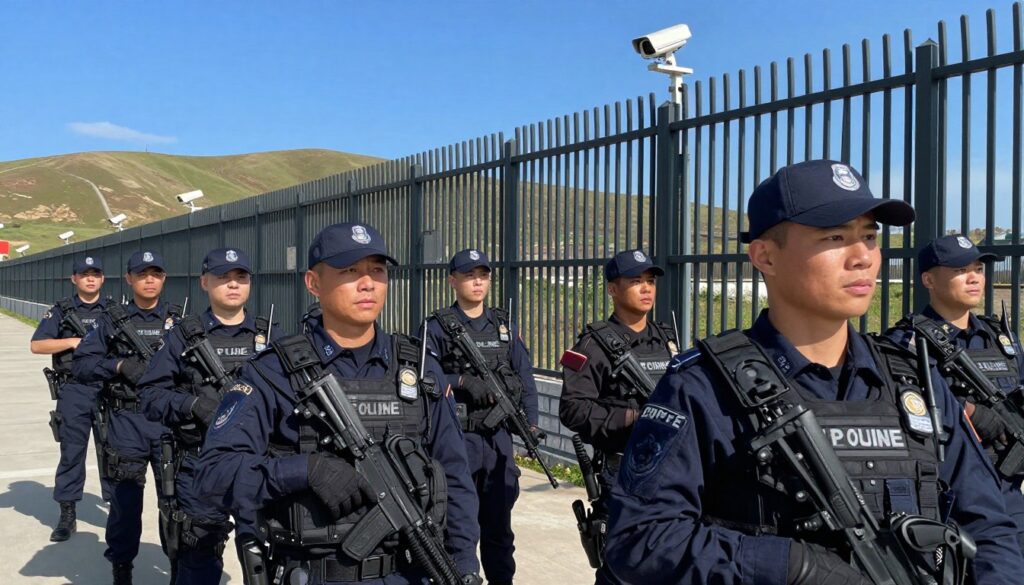
Managing the border is now a global issue, not just a domestic one. The United States has started to link border security with its international strategy. This change affects how the government works with its neighbors, making migration a key part of diplomacy.
Diplomatic Pressure on Neighboring Nations
The current administration uses economic and political pressure to get neighboring countries to control migration. By linking trade agreements or foreign aid to migration control, the U.S. pushes for stability. This can cause a lot of tension, as these countries face pressure from both their own governments and the U.S.
These efforts aim to create a unified front against illegal migration. If countries don’t meet border security standards, the U.S. might impose tariffs or limit diplomatic ties. This shows how the U.S. sees border security as a non-negotiable part of good relations.
The Intersection of Domestic Security and Foreign Relations
The difference between protecting the homeland and foreign policy is getting smaller. Now, border security is seen as a key part of national sovereignty. It’s defended not just at the border but also internationally.
This approach changes the broader foreign policy agenda by making migration a test of friendship. Countries that support these security goals get closer economic ties. Those that don’t are often left out, showing border security is key to American influence worldwide.
Reactions from Global Leaders and Diplomatic Circles
Global capitals are adjusting their diplomatic plans due to Washington’s new way of talking. The rise of Truth Social has made foreign ministries change how they watch for updates. This change marks a big shift in global leadership.
International Responses to Unfiltered Policy Announcements
Many around the world are both amazed and worried by these fast digital announcements. They are different from the usual formal cables and meetings. So, foreign governments have set up teams to watch for policy changes all the time.
Nations react in different ways:
- Strategic Caution: Some prefer the old, predictable way and worry about the lack of checks.
- Rapid Adaptation: Others start using digital platforms to quickly respond to American policies.
- Public Alignment: Some leaders use these posts to show they support certain American plans to their people.
- Wait-and-See Approach: Smaller countries often wait for things to be clearer before making statements.
Navigating Foreign Skepticism and Support
The world is split on whether this new way of global leadership will work. Some think the quick, short posts can cause big problems between countries with nuclear weapons. They fear it might make things worse during important talks.
But others see it as a good thing. They think it makes things more open and real. They believe it lets the American leader connect better with the world. But, it’s all about how well the administration can handle both its digital presence and the complex world of diplomacy.
Domestic Political Implications of Foreign Directives
When the executive branch makes foreign policy announcements without going through usual channels, it has big effects at home. These digital announcements often skip traditional diplomatic steps. This makes the public react quickly to policy changes.
This new way of doing things changes how people see the country’s global leadership. It affects how they view our role in the world.
Public Sentiment and Voter Perception
People’s reactions to these announcements are often very divided. Some see it as a sign of transparency and strength. They think it gets past red tape.
But others say it weakens our ability to lead globally. They think it’s not stable enough.
How people feel about these policies also depends on their economic interests. If a policy seems to protect jobs or secure borders, it usually gets more support. But the lack of traditional checks can cause confusion. This makes it hard for voters to understand complex global issues.
Congressional Oversight and Legislative Challenges
The use of social media for foreign policy makes it hard for Congress to do its job. They struggle to oversee policies announced without their input. This creates a big fight between the executive and legislative branches.
Lawmakers often have to react to policy changes after they’re already public. This makes it hard for them to shape the country’s global leadership in the long run. Congress faces several big challenges:
- It’s hard to come together quickly to respond to policy changes.
- They don’t always get to see how decisions are made.
- Keeping diplomatic messages consistent during debates is tough.
- They face pressure from people to support or oppose executive actions right away.
The ongoing battle between the executive and legislative branches is key to modern governance. As communication methods change, Congress’s role in foreign policy will keep being debated. Finding a balance between speed and careful oversight is key to good international relations.
The Future of American Global Engagement
The world of global power is changing fast with new digital ways to communicate. Old ways of diplomacy are now mixed with quick updates on sites like Truth Social. This change affects how people and leaders see Trump’s Foreign Policy goals.
It’s important to look beyond today’s news to see the big picture for US global relations. The focus on direct talks means moving away from old diplomatic ways. This new approach values quick action and public attention over secret talks.
Experts are debating the future of Trump’s Foreign Policy. As these policies shape US global actions, the world must keep up with fast changes. Keeping up with these shifts is key for anyone interested in the US role globally. Your views on these changes are important as the US navigates its future in a connected world.