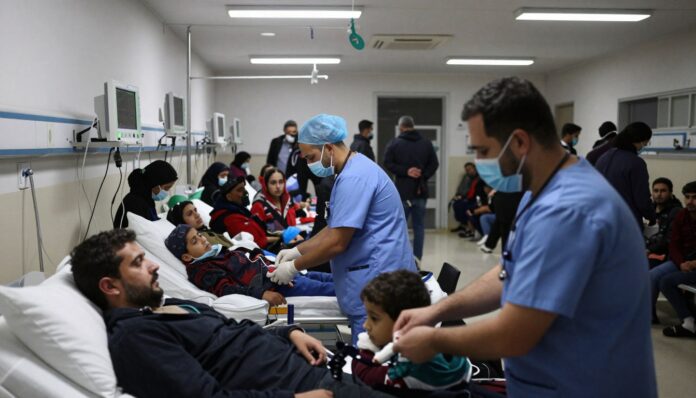
Even with a pause in active fighting, Gaza’s healthcare system remains in severe crisis, with hospitals struggling under heavy pressure and widespread shortages of medicine, fuel, and equipment.
Medical facilities are operating far beyond capacity, many in damaged buildings with unreliable power. Doctors and nurses face daily challenges treating large numbers of patients while dealing with critical shortages of essential supplies.
Damage to Medical Infrastructure
Years of conflict have left many hospitals partially destroyed or structurally unstable. Specialized equipment such as MRI machines and surgical tools has been lost or damaged, forcing medical teams to rely on limited and outdated resources.
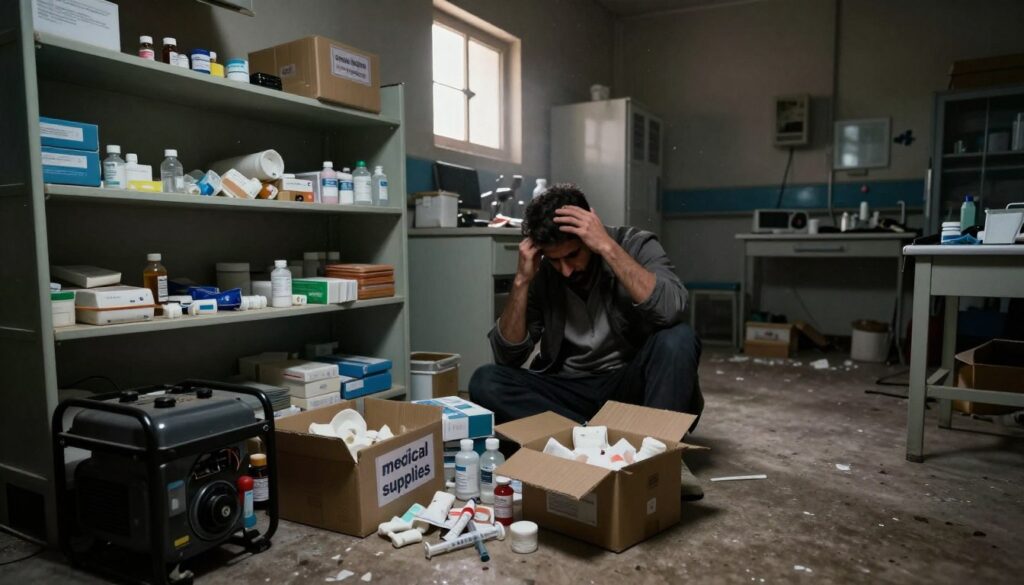
Fuel shortages have repeatedly threatened the operation of generators that power life-support systems, including ventilators and incubators. Hospitals also report acute shortages of antibiotics, anesthetics, pain medication, and other essential pharmaceuticals.
The breakdown in primary care has disrupted routine services such as vaccinations, maternal health monitoring, and treatment for chronic conditions. Patients with diabetes, hypertension, kidney failure, and cancer face particularly difficult situations due to inconsistent access to medication and specialized care.
Overcrowded shelters have worsened sanitation conditions, raising concerns about potential outbreaks of infectious diseases. Clean water and proper waste management remain scarce for many displaced families.

Strain on Healthcare Workers
Medical staff are working under extreme pressure, with many reporting physical and mental exhaustion. Personnel shortages have forced remaining doctors and nurses to handle high patient loads, increasing risks for both staff and patients.
Humanitarian and International Response
International aid organizations continue efforts to deliver medical supplies, but logistical bottlenecks and coordination challenges at border crossings have slowed distribution. Several non-governmental groups have set up mobile clinics and field hospitals to ease pressure on the remaining facilities.
Long-term recovery of Gaza’s healthcare system will require significant rebuilding of infrastructure, restoration of power and water systems, and sustained international support.