International security is at a crossroads. The rules against using atomic weapons are weakening fast.
2026 is a key year for keeping the world stable. Old ways can’t handle new threats from big powers.

Effective global deterrence is key to peace. We need to rethink these failing systems before things get worse. Urgency defines our modern era.
The Erosion of The Nuclear Taboo
For decades, the world agreed that nuclear weapons are last resort tools, not policy instruments. This agreement, known as The Nuclear Taboo, has been key to global security. But, recent events show this foundation is weakening due to rising tensions.
Historical Context of Non-Use
After Hiroshima and Nagasaki, a deep fear of nuclear weapons grew among leaders. They knew using them would lead to catastrophic retaliation. For nearly eighty years, nations have seen nuclear weapons as symbols, not weapons for war.
This belief that atomic warfare was over helped shape the post-war world. Diplomats and treaties made nuclear strikes seem impossible to the public. This restraint defined the post-war era.
The Shift in Strategic Norms
Now, the world sees a decline in strategic stability as nations show more aggressive nuclear signals. Leaders are pushing limits, using nuclear threats for small gains. This shows a dangerous drop in the cost of nuclear risks.
As The Nuclear Taboo fades, the chance of mistakes increases. Normalizing nuclear threats weakens strategic stability. We need to focus on keeping these weapons out of harm’s way again.
Escalation Dynamics in the Indo-Pacific
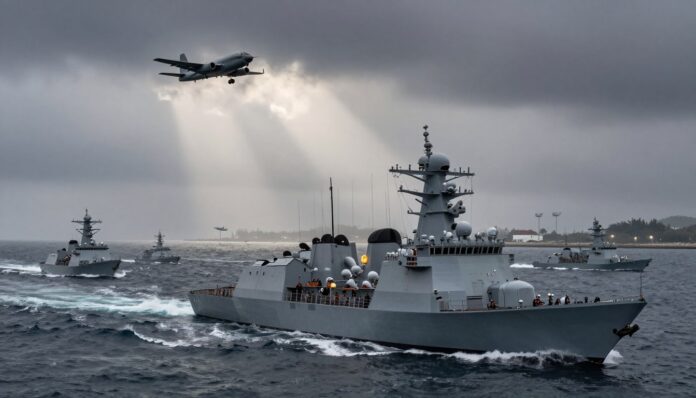
Tensions in the Indo-Pacific are changing the game of global deterrence. Major powers are boosting their military might, upsetting the balance of power. This change is making countries rethink their Indo-Pacific security strategies in a more competitive world.
The scene is filled with fast military upgrades and bold moves. These steps raise the risk of mistakes between rival nations. Without open talks, small issues could quickly turn into big conflicts.
Regional Power Projections
Big powers are stretching their naval and air forces to protect key interests at sea. This move makes old security plans less effective. Now, Indo-Pacific security relies on these powers to handle their shared claims without fighting.
Using power projection creates a security dilemma. Defensive steps are seen as threats. This makes it hard for rivals to know if they’re facing a real threat or just a drill. So, the risk of things getting worse keeps going up.
The Role of Emerging Technologies
New tech is changing the military game in the region. Things like self-driving systems, fast missiles, and smart cyber tools are being used quickly. These tools give an edge in battle but also add unpredictable variables to the mix.
These technologies make quick decisions necessary, putting a lot of pressure on leaders. They have to handle crises fast, often with not enough info. This fast pace of tech is a big risk to global deterrence, pushing for early action over talking things out.
The Collapse of Arms Control Frameworks
For decades, diplomacy made progress, but now we face a new era of uncertainty. The arms control systems that kept the world stable are failing. Without these agreements, we’re left with a huge gap in oversight and communication.
Status of New START and Successor Treaties
The New START treaty, once key for US and Russia talks, is now useless. Its pause has left a big hole in checking warheads and delivery systems. Diplomatic channels that once allowed for open talks are now quiet.
There’s no new treaty to replace the old ones. This means big powers don’t have to follow the rules of the post-Cold War era. Without arms control, the risk of mistakes that could harm global peace is real.
The Rise of Multilateral Proliferation
Now, we see a worrying trend of nuclear proliferation worldwide. Many countries think having atomic weapons is the only way to protect themselves. They believe global security promises are not trustworthy.
As more countries want their own nuclear defenses, the chance of nuclear wars increases. This multilateral expansion makes the balance of power even more fragile. Without a strong commitment to global agreements, we risk a cycle of nuclear proliferation that could destroy peace.
Technological Disruptions and Deterrence
The balance of nuclear deterrence is facing new challenges. High-speed and automated innovations are changing how we see threats and respond. As old ways fail, we must rethink how we handle war.
Hypersonic Delivery Systems
Hypersonic missiles are a big change from old ballistic threats. They go over Mach 5, making them hard to stop. This means leaders have less time to make big decisions during crises.
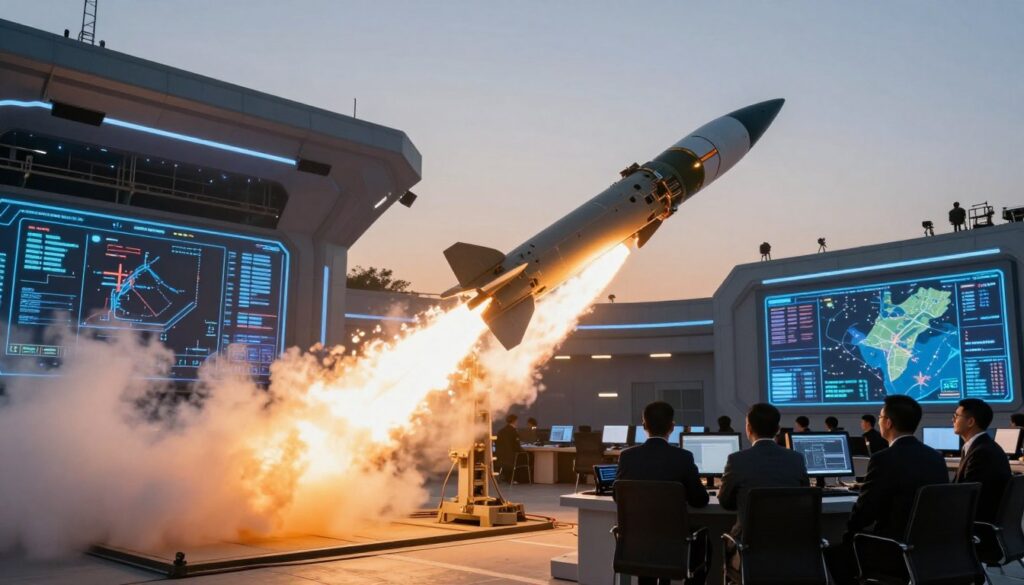
This quick decision time makes mistakes more likely. Facing hypersonic missiles means countries might act fast without thinking. They often turn to automated systems instead of careful planning.
Artificial Intelligence in Command and Control
AI command and control adds complexity to global security. It promises quick data processing but also risks unintended escalation. If AI misinterprets signals, it could lead to big problems.
Also, using AI command and control takes away human moral judgment. If AI acts on wrong data, the risk of war grows. Keeping humans in the loop is key in today’s fast-changing world.
The Nuclear Taboo and Modern Geopolitical Conflicts
Today’s geopolitical conflict is more volatile than ever. Nations are using nuclear threats to intimidate others. This change marks a big shift in how countries interact globally.
Proxy Wars and Nuclear Signaling
Proxy wars are key for testing these aggressive strategies. Major powers use nuclear signaling in regional disputes. This tactic aims to prevent direct conflict with rivals.
But, this approach is risky. It assumes everyone will stay rational under pressure. The Nuclear Taboo, once a strong barrier, is now being tested.
The Normalization of Nuclear Rhetoric
Nuclear talk is becoming more common in public speeches. Leaders often talk about their nuclear capabilities. This rhetorical shift makes nuclear use seem more normal to people.
When leaders casually discuss nuclear options, it weakens the taboo. Keeping The Nuclear Taboo alive requires leaders to be careful with their words. Without this, the risk of nuclear war increases, threatening global stability.
United States Strategic Posture in 2026
Global tensions are rising, and the U.S. is changing its strategic approach. It’s now taking a proactive stance to keep national security strong. Policymakers are focusing on long-term stability with smart investments and updated defense plans.
Modernization of the Nuclear Triad
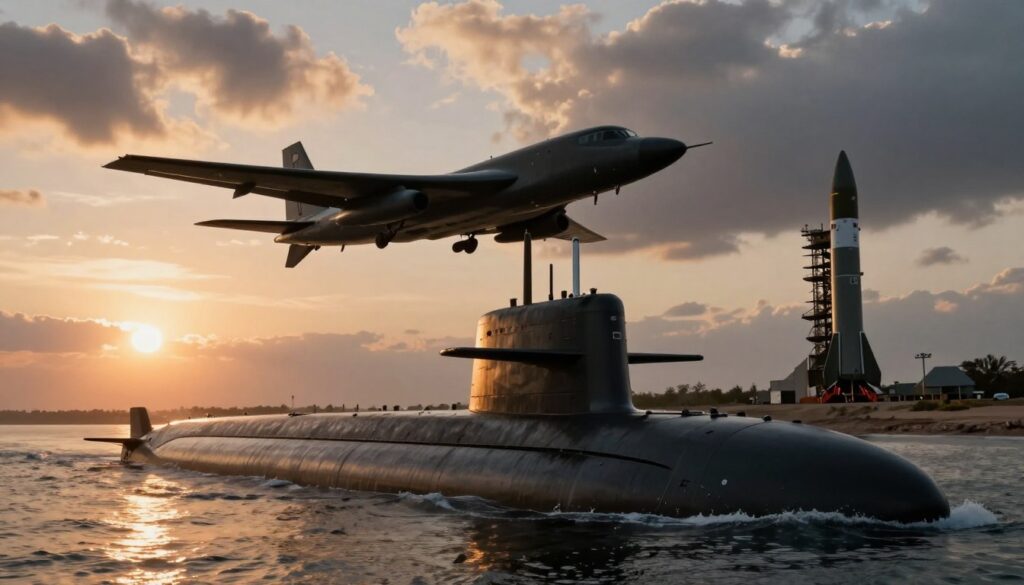
The nuclear triad is the core of U.S. defense, and it’s getting a major update. New delivery systems are being developed to get through tough air defenses. This keeps the U.S. a strong deterrent against threats.
The modernization also includes new warhead tech and command systems. By using cutting-edge digital tools, the military can make quicker decisions. These upgrades help the U.S. stay ahead in a fast-changing world.
Shifting Alliances and Extended Deterrence
The U.S. is committed to protecting its allies through extended deterrence. But, the world is changing, and alliances are being tested. Keeping the nuclear triad strong is key to keeping these alliances solid.
The U.S. is working to align its goals with its allies to tackle regional issues. This nuclear modernization is about more than just technology. It’s about building trust in collective defense. As the world evolves, the U.S. is adapting to protect its interests and those of its allies.
The Role of Non-State Actors and Cyber Threats
Modern warfare has moved beyond physical battles. The cyber-nuclear risks pose new challenges for global stability. Digital warfare and atomic weapons have changed how nations see their security. Non-state actors, like hacking groups and rogue organizations, can now affect global strategies.
Cyber-Nuclear Nexus Risks
Digital networks in nuclear systems have opened new risks. These weaknesses let unauthorized groups mess with data or disrupt communications. This could lead to catastrophic miscalculations.
These digital attacks are hard to trace. This makes it risky for nations to react without knowing who’s behind it. A system glitch or hack might be seen as a sign of an attack, leading to a quick and dangerous response.
Vulnerabilities in Early Warning Systems
National early warning systems are key to strategic defense. Yet, they face threats from advanced hackers. Keeping these systems safe is a major goal for defense agencies.
These systems rely on connected software, making them hard to protect. Even small data issues can hurt the credibility of deterrence. This can lead to a loss of trust among nations. It’s critical to defend these systems against cyber threats.
Global Diplomatic Responses to Deterrence Failure
Nations are now looking at global deterrence in a new light. The old ways of keeping peace are not working anymore. Leaders must find new ways to keep the world safe.
United Nations Security Council Deadlocks
The United Nations Security Council is facing big problems. Deep divisions and veto usage make it hard to work together. This makes it hard to stop nuclear threats.
When the UN can’t act, the risk of war increases. Countries often put their own interests first. This leads to a lack of action and a need for new ways to work together.
Track II Diplomacy and Backchannel Efforts
Track II diplomacy is becoming more important. It involves experts who can talk openly. They help find common ground without the pressure of public opinion.
These talks are key when official talks fail. They help nations understand each other better. They can’t replace treaties, but they’re vital for keeping the peace in uncertain times.
Economic Impacts of a Re-Nuclearized World
A world with more nuclear weapons needs a huge shift in spending. This change affects every big market. Nations are spending more on their military, changing the global economy.
They must rethink their budgets in a world that’s more unstable. This is a big challenge for governments.
Defense Spending and Global Markets
Defense spending is driving changes in big economies. Governments are spending more on new military tech and secure bases. This means less money for other important projects.
Investors are moving money to aerospace and nuclear companies. This helps some sectors but also makes markets more unstable. The need for ongoing defense spending makes the economy very sensitive to changes in security.
Supply Chain Disruptions in Defense Sectors
The growth in nuclear power is stressing global supply chains. Parts like special chips and rare earth metals are hard to find. This causes delays in making key military tech.
Also, making things in just a few places makes systems more vulnerable. If one part of the chain breaks, it affects the whole defense sector. Now, countries want to make things at home to avoid these problems. But this takes a lot of money and time to do right.
Public Perception and the Anti-Nuclear Movement
A new urgency is fueling the anti-nuclear movement in the U.S. People are doubting old ideas about national security. They want more transparency from the government about its plans.
Shifting Domestic Sentiment in the United States
Concerns about nuclear war are high, like during the Cold War. Many now doubt the need for a new nuclear arsenal. This skepticism is making officials rethink their strategies.
Local groups are pushing for officials to be more open. They say secrecy in nuclear policy hinders democracy. The anti-nuclear movement is fighting to include more people in security talks.
The Impact of Social Media on Nuclear Awareness
Social media is changing how we talk about nuclear issues. It makes complex ideas simple for everyone. This democratization of information lets people talk directly to experts and officials.
Online campaigns and data sharing are changing how we see nuclear readiness. While it raises awareness, it also makes it hard to know what’s true. The anti-nuclear movement uses these tools to keep nuclear policy in the spotlight.
The Uncertain Future of Global Security
Global security is at a crossroads. Old ways of keeping peace are failing. This creates a world where small mistakes could lead to big disasters. Leaders need to see that the current path is dangerous for global order.
To find lasting peace, we need to talk openly and control technology. Countries must be clear to avoid accidental wars. Using old methods of defense won’t work in today’s fast-changing world.
It’s up to leaders to fix these problems before it’s too late. We must improve diplomacy and work together more. Every big country needs to act now to make the world safer.