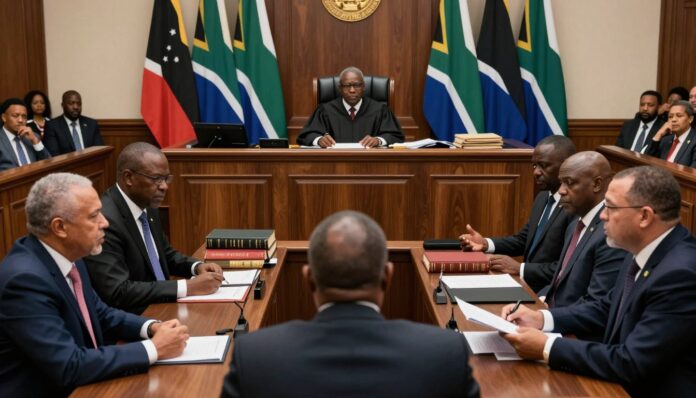
Recent changes in 2026 have started a big talk about how America handles its borders and legal residents. The government is focusing more on system integrity. They want to make sure everyone living here did it the right way.
They are checking naturalized status more closely. This is to make sure people got their legal status the correct way. It’s all about keeping the country safe and fair for those who follow the law.
It’s important to understand these changes for those going through US naturalization today. Looking at current political trends helps us see how these actions affect many people in our country. Accountability is key as government agencies work to improve their checks. This is to keep the public’s trust.
The Scope of the 2026 Policy Shift
Federal authorities are now working on a new plan to keep the US naturalization process honest across the country. This 2026 policy change is a big deal. It means government agencies will watch and check the status of citizens more closely.
The main goal is to make sure the ways to get legal status are strict and fair. To do this, federal agencies are getting better at checking old immigration files. They want to find any mistakes that might have slipped through the cracks when people first applied.
This effort is bigger than anything seen before. Unlike old days when they focused on a few big cases, now they use data to check many records. This way, they make sure everyone meets the US naturalization standards.
This new way of doing things is a big change. It’s not just about fixing mistakes after they happen. It’s about making sure everything is right from the start. This change means the country will handle immigration records in a new way from now on.
Understanding The Citizenship Debate and Legal Precedents
American citizenship has a rich history of legal battles and constitutional protections. The 14th Amendment is key in defining who is part of the national community. The Citizenship Debate often revolves around how these guarantees apply to those who have become citizens.
Today’s immigration law balances national security with individual rights. When the government reviews past citizenship decisions, it faces a complex legal landscape. This landscape is shaped by many court decisions over the years.
Legal experts say constitutional protections are vital, not just suggestions. They act as a shield against government abuse. Immigration law is often tested by these standards, leading to close scrutiny of any policy that could affect citizenship status.
The Citizenship Debate is about the limits of federal power in defining American identity. By looking at past court decisions, we can see the importance of current actions. Keeping the naturalization process fair requires sticking to the law and the Constitution.
Key Drivers Behind the Revocation Initiative
Keeping the naturalization process honest is now a big deal for the government in 2026. They want to find people who might have gotten citizenship unfairly. This change is mainly because of a stronger focus on national security and saving public money.
New immigration law changes aim to catch fraudsters who slipped through before. By watching closer, officials want to make sure everyone got citizenship the right way. This way, they hope to stop others from cheating the system.
The rules for citizenship revocation are getting tougher. Agencies are using new tech to check old and new records. This helps them find lies told during the citizenship application.
The main goal is to keep the citizenship process fair and clear for everyone. Even though citizenship revocation is a complex issue, it’s key to keeping the law strong. By making immigration law stronger, the government ensures only those who follow the rules get to be citizens.
Criteria for Identifying Potentially Fraudulent Naturalizations
The government has clear rules to spot cases where naturalized status might have been gained dishonestly. They know the difference between small mistakes and big lies that harm the law. This is key to keeping the immigration system fair and protecting honest citizens.

Investigating Historical Application Discrepancies
First, investigators check old files against new digital ones. This helps find mistakes that were missed before. Discrepancies in personal details or travel history often lead to a closer look at a person’s file.
If there are big holes in the documents, it’s decided if they were honest mistakes or if someone tried to hide something. The aim is to make sure citizenship was given based on true and full information. This careful check helps figure out why someone might lose their citizenship.
Identifying Material Misrepresentation in Immigration Records
Nowadays, a big part of the work is finding material misrepresentation in immigration records. This happens when someone lies on their application, changing the outcome. If the truth would have meant they were denied, it’s a big deal.
They look for signs that someone tried to trick the government on purpose. They check if important facts like criminal history or past immigration issues were left out. By focusing on these details, the government makes sure naturalized status is only for those who follow the law.
The Role of the Department of Justice and USCIS
A new partnership between the Department of Justice and USCIS is changing how the government checks naturalized status. They work together to keep the path to citizenship safe from fraud. This partnership aims to keep the legal system strong by watching closely.
Inter-Agency Coordination for Data Verification
The government has set up new digital systems to check immigration records better. They link databases to compare old files with new biometric data quickly. This helps spot any mistakes that might be missed.
This systematic approach makes sure any problems in an applicant’s history are looked at again. Agencies check the realness of documents from the naturalization process together. This teamwork is key to keeping American citizenship standards high.
The Denaturalization Task Force Operations
The Denaturalization Task Force is in charge of looking into cases where citizenship might have been wrongly given. They focus on finding cases where people lied during the application. If someone hid important facts, the task force starts a review.
They work with legal precision and follow the law closely. By focusing on big lies, the task force makes sure the naturalization process is fair. Their work shows their dedication to upholding the law in immigration.
Due Process and the Right to Appeal
When the government questions someone’s citizenship, the law offers clear paths for fairness. The idea of due process is key, stopping unfair decisions and giving everyone a chance to defend their citizenship. This is vital for keeping the immigration system fair and protecting those who have become citizens.

Administrative Review Procedures
Before going to court, people often face internal checks. These reviews let citizens challenge findings by agencies like the USCIS. Here, you can show evidence to clear up any mistakes in your records.
Transparency is the main aim of these reviews. By taking part in these steps, you might fix issues without needing a long court battle. It’s very important to collect all important documents early to back up your case.
Judicial Recourse for Affected Individuals
If the first steps don’t help, you can turn to federal court for legal recourse. Here, a judge will look at the government’s case against you. You have the right to a fair trial, where the government must prove fraud clearly.
Going to federal court is a basic right that keeps the government in check. By using these legal paths, you can fight the government’s claims and get a fair decision. Getting good legal help is very important in these complex cases to protect your rights.
Impact on Families and Long-Term Residents
When the government questions a person’s naturalized status, it can hurt many families in the U.S. These policies often target people who have lived and worked here for decades. It’s important to follow due process to avoid tearing families apart by mistakes or old records.
Derivative Citizenship Concerns
One scary part of these changes is how they affect children and spouses. If a parent loses their citizenship, their kids might face big legal problems. This could make them vulnerable to deportation or losing important federal benefits.
Families count on knowing their legal status to plan for the future. When this is threatened, the whole family’s stability is at risk. Making sure due process is followed is key to protecting these families from harm.
Economic and Social Consequences of Status Loss
When someone loses their citizenship, it can be very hard on their wallet. They might lose their job, professional licenses, or government jobs. This can leave a family without a main source of income, causing long-term financial problems.
But it’s not just money that’s affected. People who have become part of their communities for years might feel like they don’t belong anymore. Keeping due process is not just a rule; it’s a way to keep our society strong.
Political Reactions and Legislative Pushback
The new naturalization policy has sparked a heated debate in America. Politicians are split on the use of these new powers. They struggle to find a balance between keeping the country safe and protecting the rights of those who have sworn allegiance.
Congressional Debates on Immigration Reform
On Capitol Hill, the debate on immigration reform is fierce. Those who support the new policy say it’s needed to keep the naturalization process fair. They believe it’s important for national security and legal fairness.
But, others in Congress are worried. They think these actions could harm innocent people. They say the focus should be on new applicants, not revisiting past cases. This disagreement shows the big divide in the country on citizenship.
Civil Rights Advocacy Group Responses
Civil rights groups are also speaking out. They’re concerned about the constitutional protections being threatened. They believe the government might unfairly target certain groups because of past mistakes.
These groups want more openness and control over the task force. They’re afraid the process could violate the rights of those who have become citizens. Protecting the sanctity of citizenship is a key part of their efforts.
International Implications for Dual Citizens
For those with dual citizenship, the U.S. policy change brings new legal worries. These changes affect not just those living in the U.S. but also those abroad. They create a complex situation for international citizens.
Diplomatic Challenges and Statelessness Risks
Changes in U.S. policy could lead to diplomatic problems with other countries. If someone loses their naturalized status, they might face the frightening reality of statelessness. This happens when no country recognizes them as a national.
Without a valid passport or recognized nationality, affected individuals can’t get basic consular help. This makes international relations tough and puts a lot of pressure on foreign governments.
Impact on International Travel and Residency
Keeping dual citizenship means dealing with different national rules. If the U.S. starts a revocation process, traveling becomes hard. Many countries need proof of citizenship to let you stay or work there.
The risk of sudden status loss makes traveling hard for those who count on U.S. documents. Travelers might face detention or deportation at airports. This makes many think twice about living abroad to avoid statelessness.
Preparing for Possible Audits and Legal Challenges
Getting ready ahead of time is the best way to guard against government audits. Organizing your personal records now can reduce stress. It also makes sure your history is clear and easy to check.
Documentation Needs for Naturalized Citizens
Keeping a detailed file is crucial for all naturalized citizens. You should have copies of your naturalization certificate, your first green card application, and all interview evidence.
It’s smart to keep records showing you lived here and acted with good morals before becoming a citizen. If the USCIS asks to see your file, having these documents ready will make things easier.
Consulting with Immigration Counsel
If you get a notice about your status, getting professional advice is key. A good lawyer can explain your legal options and look at the government’s claims.
Don’t try to handle complex hearings by yourself. A skilled lawyer can defend you against statelessness and protect your rights. Working with a lawyer early helps you have a strong plan to face USCIS questions.
The Future of Naturalization Integrity in the United States
The way we become American citizens is changing. Now, federal agencies focus on checking every naturalized status carefully. This change shows a big commitment to keeping the law in the immigration system.
Immigration reform will shape how the government balances security and individual rights. Lawmakers must find a way to protect the naturalization process. This ensures that becoming a citizen is seen as fair and trustworthy.
People with dual citizenship need to keep up with new rules. Being proactive with your documents can help during tough times. Knowing these changes helps you stay safe and contribute to the country.
The U.S. is working to make citizenship fit today’s security needs. Future laws will likely be clear and fair for everyone. It’s important to keep a balance between strict checks and protecting people’s rights for the country’s future.