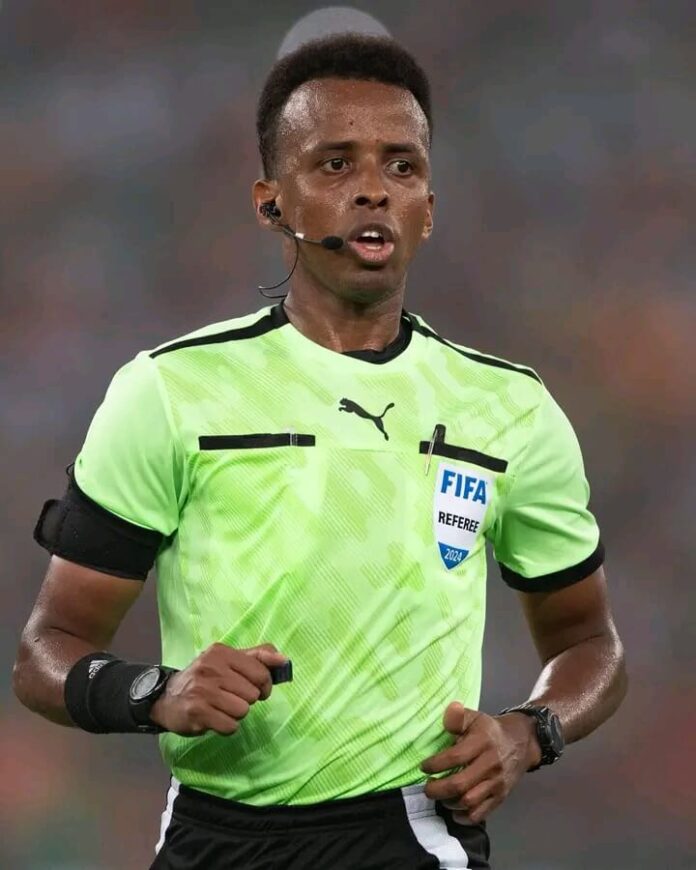
Somali referee Omar Artan will be paid in full by FIFA for his work at this summer’s World Cup, despite being denied entry into the United States and therefore unable to take charge of a single match at the tournament. Sources have told several outlets that football’s governing body has decided the 34-year-old should not be financially penalised for circumstances entirely beyond his control.
Artan made history earlier this year when he became the first referee from Somalia ever selected for a FIFA World Cup. The appointment followed a breakthrough 2025, in which he was named Africa’s best male referee and took charge of high-profile continental matches, including a CAF Champions League final and a fixture at the Africa Cup of Nations. For Somali football, his selection as a World Cup referee was seen as a landmark moment for a nation rarely represented on the game’s biggest stages.
That landmark moment turned to disappointment last week, when Artan arrived at Miami International Airport on a flight from Istanbul and was stopped by U.S. Customs and Border Protection. According to reports, the Somali referee was questioned for around eleven hours before officials informed him he would not be allowed into the country. A CBP statement said Artan had been found inadmissible due to what it described as vetting concerns, while a U.S. official went further, citing alleged association with suspected members of a terrorist organisation.
Artan has strongly denied any such links. He said he had travelled with a valid diplomatic passport and a single-entry visa issued through the Somali embassy in Kenya, and insisted his documentation was in order. His exclusion came as Somalia found itself among roughly forty countries whose citizens face new restrictions on entering the United States under the current administration’s tightened immigration rules, a policy that has drawn criticism from football figures who note that several World Cup referees and other officials come from nations on similar lists.
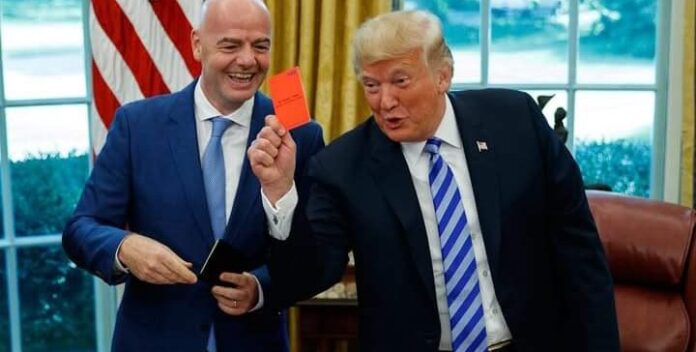
FIFA initially attempted to intervene on Artan’s behalf but was unable to reverse the decision. FIFA president Gianni Infantino, when asked about the governing body’s failure to get the referee into the country, told reporters that critics should “chill and relax.” The remark drew swift backlash from those who felt it understated the seriousness of a referee being barred from the sport’s biggest event over unproven allegations.
Despite the setback, people familiar with the matter say Artan will still receive his full World Cup fee as a referee, with the exact amount to be confirmed once the tournament concludes next month. FIFA assisted him during a stopover in Istanbul before he returned to Mogadishu, where thousands of supporters gathered at a stadium to welcome him home.
Speaking about the experience, Artan said he was “very, very disappointed” by how things had unfolded, adding that he was simply a referee trying to fulfil the biggest dream of his career by officiating at a World Cup.
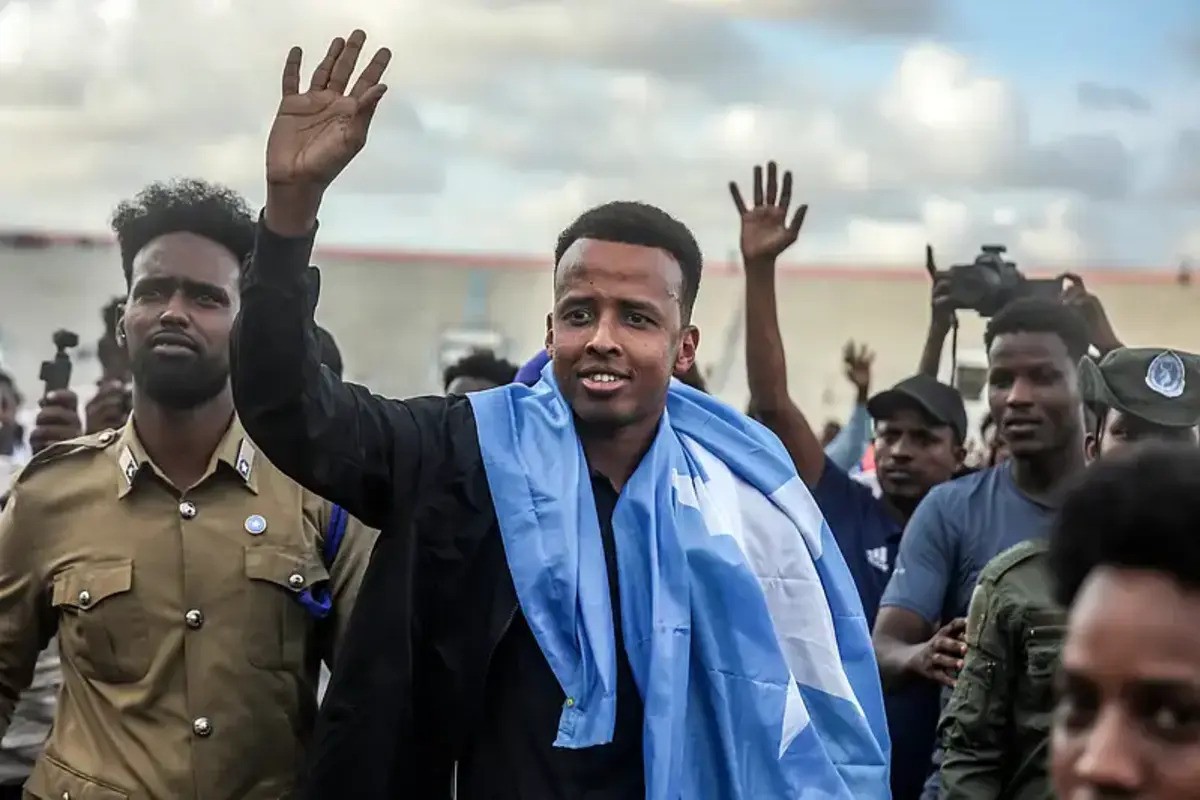
However, the Somali official’s World Cup will not be entirely lost. UEFA has since appointed Artan as referee for the UEFA Super Cup final between Paris Saint-Germain and Aston Villa, to be played in Salzburg, Austria, in August. The high-profile assignment will put one of Africa’s leading referees back in the spotlight, even though his World Cup dream was cut short before it ever began. For now, Artan’s case stands as a reminder of how political decisions far from the pitch can still shape who gets to referee the world’s largest sporting event.