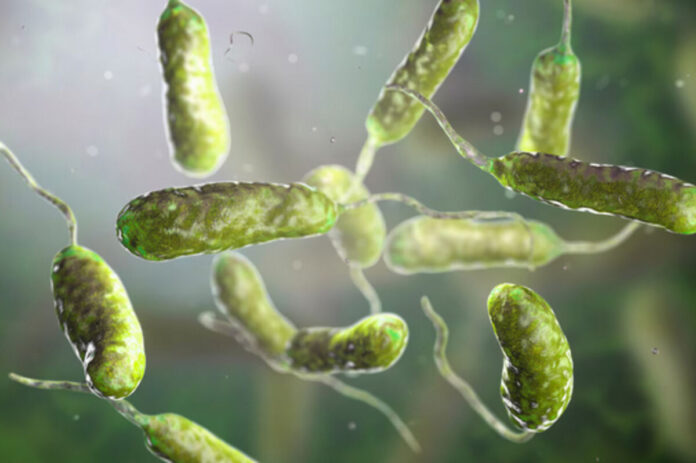
Louisiana health officials are urging beachgoers to take precautions during a summertime surge of infections from Vibrio vulnificus, a naturally occurring bacterium found in coastal waters that is sometimes called “flesh-eating” because of the severe tissue damage it can cause. The Louisiana Department of Health says nine cases have been confirmed so far this year, all requiring hospitalization, and five of those patients have died. During the same period over the past decade, the state reported an average of just seven cases and one death, meaning this year’s toll already far exceeds the norm.
The Department of Health said all nine cases reported this year were tied to wounds exposed to seawater, and every patient had an underlying health condition. The bacteria occur naturally in warm coastal waters and are found in higher numbers from May through October, when water temperatures rise. Infection can occur when an open wound is exposed to brackish or salt water, or when a person eats raw or undercooked seafood, particularly oysters. Once inside the body, the bacteria can cause gastrointestinal illness, wound infections, or blood poisoning.
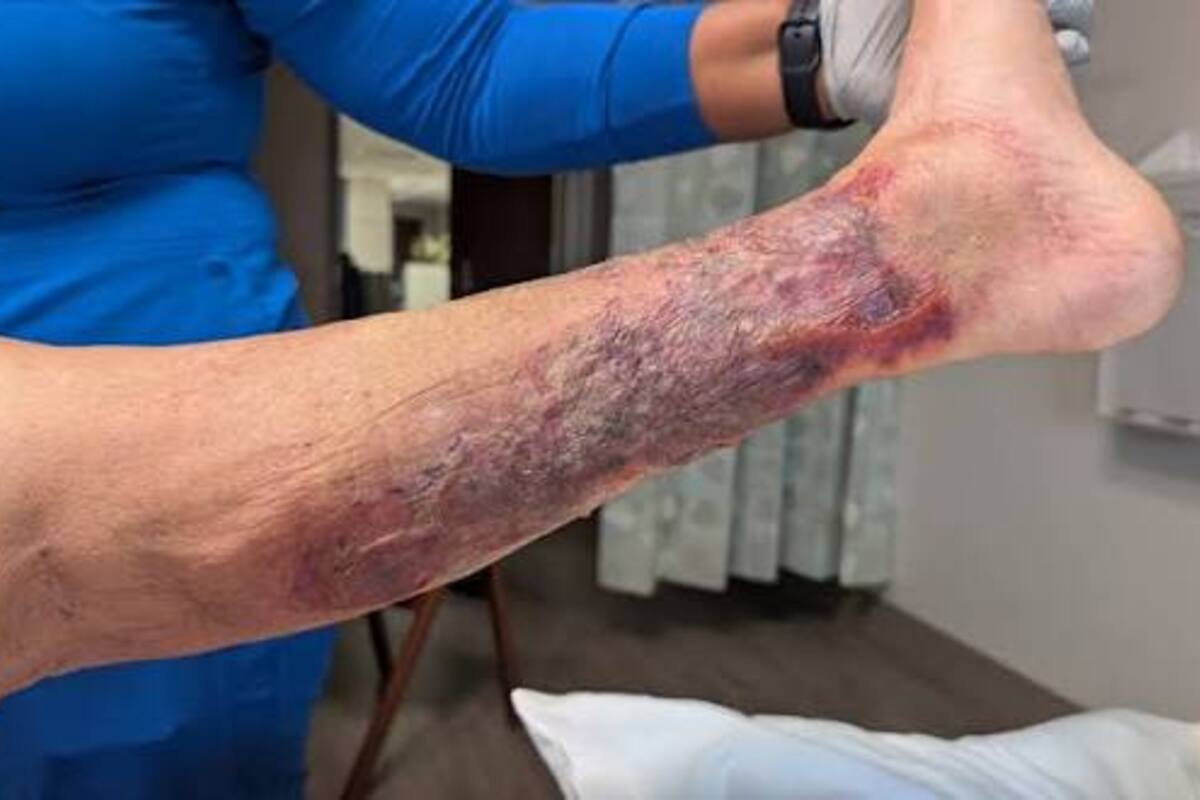
Health officials say anyone can contract a Vibrio infection, but the risk of severe complications is highest among people with liver disease, cancer, diabetes, HIV, or thalassemia. The bacteria can enter the body through unhealed cuts and scrapes, recent piercings or tattoos, and surgical incisions. People undergoing immune-suppressing treatment, taking medicine that reduces stomach acid, or recovering from stomach surgery also face heightened risk. Warning signs of a wound infection include fever, redness, pain, swelling, warmth around the affected area, skin discoloration, and drainage or discharge.
In the most severe cases, the infection develops into necrotizing fasciitis, a fast-moving condition in which bacteria destroy skin, fat, and the tissue surrounding muscle, sometimes requiring amputation to stop the spread. According to the Centers for Disease Control and Prevention, roughly 150 to 200 Vibrio vulnificus cases are reported each year nationally, with about half occurring in Gulf states, including Texas, Louisiana, Mississippi, Alabama, and Florida. Nationally, about one in five people infected with the bacteria dies, sometimes within a day or two of falling ill, making early treatment critical.
Louisiana is not alone in seeing elevated case counts this year. Florida, which historically records more infections than any other state, has reported 14 cases and two deaths so far in 2026, compared with 33 cases and five deaths for all of last year. Officials note that Florida tends to see more infections in years when the state is struck by tropical storms or hurricanes, which can stir up bacteria-laden coastal waters and floodwater. Louisiana itself saw a similar spike last year, when the health department confirmed a fifth death from the bacteria in September amid 26 reported cases.
Researchers have also pointed to a longer-term pattern: as coastal waters warm, the geographic range of the bacteria has been expanding well beyond its traditional Gulf Coast strongholds, with infections once rare north of Georgia now turning up as far north as Philadelphia in recent years. Scientists attribute the shift in part to climate change, which lengthens the season and widens the territory in which the bacteria can thrive.
To reduce the risk of infection, the Department of Health advises people with open wounds to stay out of brackish or salt water entirely, to cover any wounds with waterproof bandages before water exposure, and to wash wounds thoroughly afterward. Seafood should be cooked thoroughly, hands washed after handling raw shellfish, and cooked and raw seafood kept separate. Anyone who develops redness, swelling, warmth, or pain around a wound after contact with coastal water is urged to seek medical care immediately, since the bacteria can spread through the body within hours.