We are seeing a big change in how Russia honors its past. For years, the Soviet victory over Nazi Germany was a key part of Russian identity. But this year, things are different.
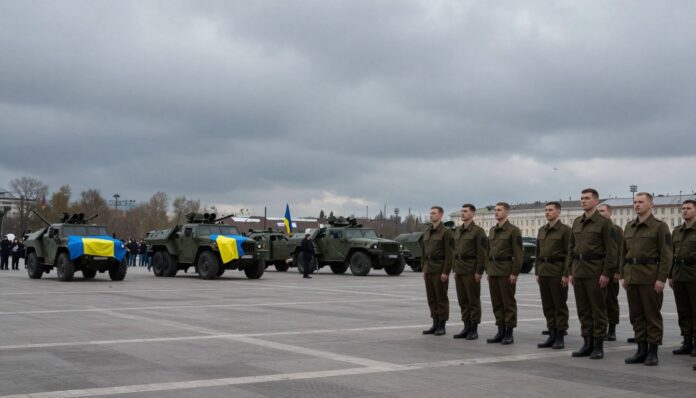
The May 9th parade was smaller than before. This change is likely because of military tensions. The government is sending a message with this smaller parade.
Russia’s smaller Victory Day is more than just a smaller parade. It’s a strategic move. We want to understand why the Kremlin made this choice. It gives us crucial insight into Russia’s current situation.
Key Takeaways
- The annual commemoration has undergone a major reduction in scale this year.
- Historical displays of military might have been replaced by a more subdued tone.
- Ongoing geopolitical conflicts are the primary drivers behind these changes.
- The event serves as a barometer for the current domestic political climate.
- We observe a strategic shift in how the state chooses to project its power.
The Shift in Scope for Russia’s Downsized Victory Day
The way Russia celebrates Russia’s Downsized Victory Day has changed a lot. This change shows a big shift in how the country honors its most important holiday. It’s a move away from old traditions.
This change makes us think about how the government balances honoring the past with today’s world. It’s a delicate balance.
Historical Significance of May 9th
For years, Victory Day history has brought Russians together. It’s a day to remember the sacrifices of veterans and soldiers who died in war. This day is key to Russia’s identity, uniting people beyond politics.
For many, this day is very personal and emotional. It’s not just a government event but a solemn tribute to family members who went through war. This history shapes how people see Russia’s strength and resilience.
Deviations from Traditional Parade Formats
Looking at recent years, the May 9th parade has changed a lot. It used to show off a lot of military might and was very big. Now, it’s smaller.
This change shows a new way the government wants to show itself to the world. By looking at these changes, we understand more about Russia’s mood and what the government wants to show the public. The May 9th parade tells us a lot about Russia’s stability and its story of victory today.
Geopolitical Context and Ongoing Military Operations
The ongoing conflict in Ukraine has changed how the state handles big public events. Military tensions have led to a shift in managing large urban events. This change shows how domestic events now compete with the needs of active combat zones.

Impact of the Conflict in Ukraine on Domestic Displays
The Ukraine conflict impact is clear in the lack of heavy hardware in traditional processions. The move of armored vehicles and air assets to the front lines has limited display capacity. This choice shows a focus on operational needs over symbolic events.
By reducing these events, the state shows its main focus is on the battlefield. The decrease in equipment shows how military tensions limit domestic celebrations. This is a practical, yet harsh, adjustment to modern warfare.
Resource Allocation and Military Readiness Concerns
Keeping Russian military readiness up requires a lot of resources that were once used for ceremonies. Our analysis shows the state is balancing public morale with military needs. This balance forces planners to decide between showing strength at home and keeping operations abroad.
The following table outlines the main factors affecting military asset allocation:
| Priority Area | Resource Focus | Strategic Goal |
|---|---|---|
| Front-line Operations | Heavy Armor & Air Power | Tactical Superiority |
| Domestic Displays | Personnel & Logistics | Symbolic Continuity |
| Military Readiness | Maintenance & Reserves | Long-term Sustainability |
The Ukraine conflict impact continues to change state-sponsored events. We conclude that Russian military readiness guides these tough decisions. As the current geopolitical situation stays the same, we expect more changes in how the state shows its military strength to the public.
Security Measures and Public Safety Protocols
This year’s celebrations are filled with caution and careful planning. The government is working hard to keep everything safe. They want to make sure the day goes smoothly without any problems.
Heightened Surveillance in Moscow and Regional Hubs
Advanced systems are tracking people in big cities. In Moscow, face recognition technology is being used more than ever. This helps officials watch crowds closely and spot any trouble early.
In other cities, similar steps are being taken. The main tools used are:
- High-definition CCTV cameras in public areas.
- More law enforcement teams around.
- Watching digital communications near important places.
Managing Public Gatherings Amidst Security Threats
Hosting big events is a big challenge for the government. So, Moscow parade restrictions have been made stricter. Only approved people can get close to the heart of the celebration.
The Kremlin security is very visible. This shows the public that the government is in charge. By controlling who can gather, officials lower the risk of security problems. This shows their dedication to keeping things orderly.
The main goal is to keep things calm. The government wants to make sure their story isn’t changed by outside forces.
State Security Briefing
The mix of limited access and constant watching is how holidays are handled now. These Moscow parade restrictions are more than just rules. They show the current political mood. The Kremlin security teams are trying to show strength and stability to everyone.
The Absence of Heavy Armor and Air Power
We look at the empty space where tanks and planes used to be. This year, the parade was quieter without the usual heavy sounds. The Victory Day hardware that showed strength was missing from the streets.

Technical Analysis of Equipment Shortages
Our study shows big challenges for the defense sector. The ongoing fights have used up a lot of resources, causing military equipment shortages. These gaps show how the Russian military readiness is today.
The focus has moved to keeping troops ready for battle, not just for parades. By sending more to the front, the military had to give up its big show. This shows the hard choices made in war times.
Symbolic Meaning Behind the Reduced Hardware
Choosing to show less means a lot. Before, the parade was about showing off strength and tech. Now, the state is sending a different message about Russian military readiness.
This change might be to hide military equipment shortages. Even though it’s called a tribute, the lack of Victory Day hardware tells us a lot. Symbolically, it’s a shift from showing power to managing expectations in uncertain times.
Official Kremlin Narratives and Public Messaging
We look at how the government talks and the public feels about smaller parades. State media shapes the story to match the government’s goals. They use state propaganda to keep things looking normal, even with fewer big displays.
How State Media Frames the Scaled-Back Event
State media focuses on the symbolic importance of the holiday. They say the parade’s size doesn’t matter as much as the nation’s unity. This message aims to show that Kremlin security is strong and the state is in charge.
“The strength of our nation is not measured by the number of tanks in a square, but by the unity of our people in the face of historical challenges.”
— Official State Media Commentary
Presidential Addresses and Domestic Propaganda
Presidential speeches shape Russian domestic sentiment during holidays. They talk about history and keeping the country safe. This way, the leaders try to make people think the military is still powerful, even with less equipment.
The table below shows how the government tries to manage what people think during the holiday:
| Messaging Strategy | Primary Objective | Target Audience |
|---|---|---|
| Historical Continuity | Reinforce national identity | General Public |
| Strategic Restraint | Justify reduced hardware | Domestic Skeptics |
| Security Focus | Highlight state stability | Regional Hubs |
The success of these messages depends on the government’s skill in balancing Kremlin security with celebration. By controlling information, they keep a story of stability. This is key to shaping Russian domestic sentiment in a tough world.
International Reactions to the Diminished Celebration
International reactions to the smaller celebration show deep worries about military strength. People are looking beyond the surface to understand the real message. The change in scale has led to a detailed Western intelligence analysis to see if it’s a strategic move or a sign of weakness.
Perspectives from Western Intelligence Agencies
Analysts worldwide think the smaller display is because of the Ukraine conflict impact on resources. They point out that not showing heavy armor means saving it for real battles. This shows the military is focusing on being ready for action, not just for shows.
Experts also say the smaller parade is a smart move to avoid security risks. It helps the state avoid the big challenge of moving heavy gear. This choice is seen as a smart, but necessary, adjustment to current situations.
Diplomatic Implications for Russia’s Global Standing
The geopolitical implications of a smaller parade are big. It’s seen as a sign of the country’s stability and influence. A smaller role on the world stage might mean the nation is focusing on itself.
The event sends a message to the world about the state’s priorities. By showing restraint, the leaders try to show focus and discipline. But, many doubt this, seeing it as proof of the big strain from ongoing military efforts.
Regional Variations Across the Russian Federation
The traditional way of celebrating Victory Day has changed a lot across Russia. While Moscow remains the main focus, the holiday now feels different in each region. This change shows how military actions affect different parts of the country in different ways.
Cancellations in Border Regions and Occupied Territories
In border areas, many parades have been canceled to keep people safe. This is because of ongoing security issues and logistical challenges. Local leaders say they’re worried about possible trouble and can’t afford big events.
In occupied territories, the lack of parades is even more striking. It shows how unstable the security situation is. The government has chosen to focus on defense rather than showing off military strength in these areas.
Disparities Between Moscow and Provincial Observances
Moscow’s celebrations are much bigger than those in smaller cities. While Moscow puts on a big show, other places have to settle for smaller events. Many cities have chosen to show their respect in other ways, like with static displays or online tributes.
This difference highlights the economic and social issues facing the country. By looking at how Victory Day is celebrated across Russia, we can understand the challenges the country is facing. The contrast between Moscow and the rest of the country shows a nation dealing with big internal problems during a time of war.
The Role of the Immortal Regiment and Grassroots Participation
Grassroots movements like the Immortal Regiment are now using digital tools. Before, they had big marches where families showed pictures of their war heroes. These events were a deep way for many to connect with their history.

Shifts in Citizen Engagement and Memorial Traditions
How people join in these events is changing. With growing safety concerns, the government is pushing for smaller gatherings. This change affects how we show our collective memory and national pride.
To keep people involved safely, new ways to honor veterans have been introduced:
- Uploading ancestral photos to official government websites.
- Displaying portraits on public transportation and private vehicles.
- Sharing stories of service members through social media platforms.
- Participating in virtual galleries that replace the traditional street processions.
Digital Alternatives to Traditional Marching
The move to digital memorial traditions is a big change. Technology helps keep the event’s spirit alive without the risks of big crowds. People can now share their stories from home.
Technology now acts as the primary bridge between war history and today’s generation. While digital events are different from marches, they provide a safe space for public expression. This shift shows a focus on safety over big public gatherings.
Economic and Social Pressures Influencing State Events
Economic realities are changing how the state handles its biggest national holidays. The current wartime austerity is not just a choice but a must due to ongoing conflict. This has led to a big change from the lavish celebrations of the past.
Budgetary Constraints and Wartime Austerity
The Russian defense budget has changed a lot to support long-term military efforts. With more money going to the front lines, there’s less for Victory Day hardware in parades. This shows a choice to focus on being ready for war over big celebrations.
The cut in heavy equipment is because of money issues. The government tries to keep a balance between military needs and keeping traditions alive. This shows the tough choices in a tight economic situation.
Public Sentiment Regarding the Cost of Commemoration
People’s views on these events are complex. While state propaganda stresses the importance of remembering history, many feel the economic burden. Russian domestic sentiment often shows a mix of national pride and concern over costs.
Many wonder if expensive displays are worth it when money is tight. The government needs to handle this feeling well to keep support. The table below shows the main factors affecting how the state honors these days.
| Factor | Priority Level | Economic Impact |
|---|---|---|
| Military Readiness | High | Significant Expenditure |
| Public Ceremonies | Moderate | Reduced Funding |
| Social Welfare | Moderate | Budgetary Pressure |
| State Messaging | High | Minimal Cost |
Conclusion
The Victory Day parade has been scaled back, showing the many challenges Russia faces. The government is balancing security, resources, and messaging to the people. This change is a big shift in a key national tradition.
These adjustments are more than just about logistics. They are linked to the ongoing war and economic issues. They affect how Russia is seen at home and abroad.
The Kremlin is trying to keep national pride alive while dealing with wartime costs. We encourage you to think about how these changes might affect stability in the region. Your views on these shifts are important as we watch how they impact the world.
FAQ
Why was this year’s Victory Day celebration in Russia significantly downsized?
The Kremlin chose to scale back the event due to the Ukraine conflict and security worries. By reducing the parade size, they focused on military preparedness. This move helped manage the war’s demands while keeping domestic traditions alive.
What was notably absent from the Red Square parade in terms of military hardware?
Our analysis shows no heavy armor, like main battle tanks, and no air power flyovers. This absence might mean Russia is saving these assets for the war or hiding equipment shortages.
How did Moscow address public safety during the commemorations?
Moscow increased security with more surveillance and strict public gathering rules. These measures were especially strict in Moscow and other key areas. They aimed to reduce threats and show stability during tough times.
Why were many regional parades canceled throughout the Russian Federation?
Many border areas, like Belgorod and Kursk, and occupied territories canceled their parades. This was due to high security risks and the need to focus resources. It shows how the war affects different parts of Russia differently.
What happened to the traditional Immortal Regiment march this year?
Instead of the usual marches, people were encouraged to participate online. This change helped keep morale high and honored veterans without the risks of large gatherings.
How have Western intelligence agencies interpreted these diminished celebrations?
Agencies like the British Ministry of Defence see the smaller celebrations as a sign of internal challenges. They believe it shows Russia’s strategic changes and resource limits due to the ongoing war.
How is state media framing the scaled-back event to the Russian public?
State media and Vladimir Putin’s speeches portray the event as a respectful tribute to fallen soldiers. This framing aims to maintain public support and control the narrative, despite the reduced scale.
What role did economic factors play in the downsizing of the parade?
Budget constraints and wartime austerity were key factors. The high costs of elaborate displays were reassessed. The state now focuses on military spending over ceremonial expenses.