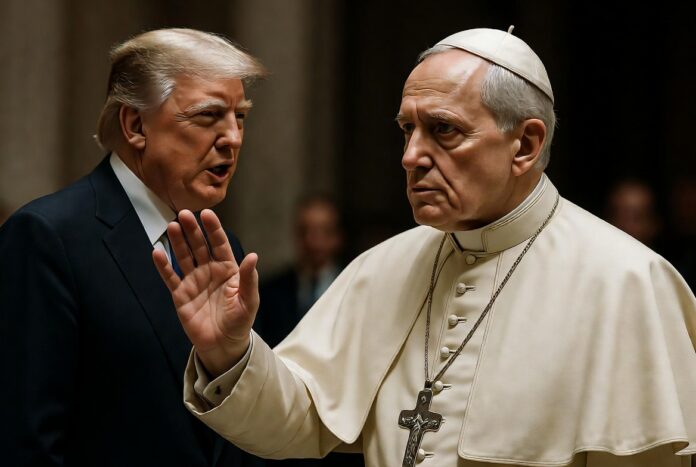
Diplomatic relations between the Vatican and the United States remain strained in late May 2026. Pope Leo XIV, the first American-born pontiff, has maintained repeated public calls for an immediate end to the U.S.-led military campaign against Iran.
His appeals have drawn sharp responses from the Trump administration, highlighting a persistent clash between moral calls for peace and Washington’s national security priorities. As talks over the Strait of Hormuz continue amid regional instability, this unusual friction adds another layer to the complex crisis.
A New Pope, An Old Challenge
Robert Francis Prevost, elected Pope Leo XIV on May 8, 2025, came to the papacy with a background as a Chicago-born Augustinian missionary with deep experience in Peru. His early emphasis on peace, dialogue, and the vulnerable has defined his first year.
Since U.S. and Israeli strikes on Iranian nuclear and military sites began in late February 2026, killing Supreme Leader Ali Khamenei and prompting Iran’s closure of the Strait of Hormuz — Leo has consistently urged de-escalation and restraint.
The most pointed exchange came on April 7, when the Pope directly addressed Trump’s threat that “a whole civilization will die” if Iran did not comply.
“This threat against the entire people of Iran is truly unacceptable. There are issues of international law here, but even more, it is a moral question concerning the good of the people as a whole.”
In Lent, Easter messages, and subsequent statements, he has declared that “God does not bless any conflict” and urged citizens worldwide to pressure leaders toward peace rather than war. These positions, rooted in Catholic teaching on just war and human dignity, have been widely interpreted as criticism of U.S. policy.
White House Pushback
The Trump administration has responded forcefully. President Trump and officials including Defense Secretary Pete Hegseth have defended the actions as necessary to prevent nuclear proliferation and secure global shipping.
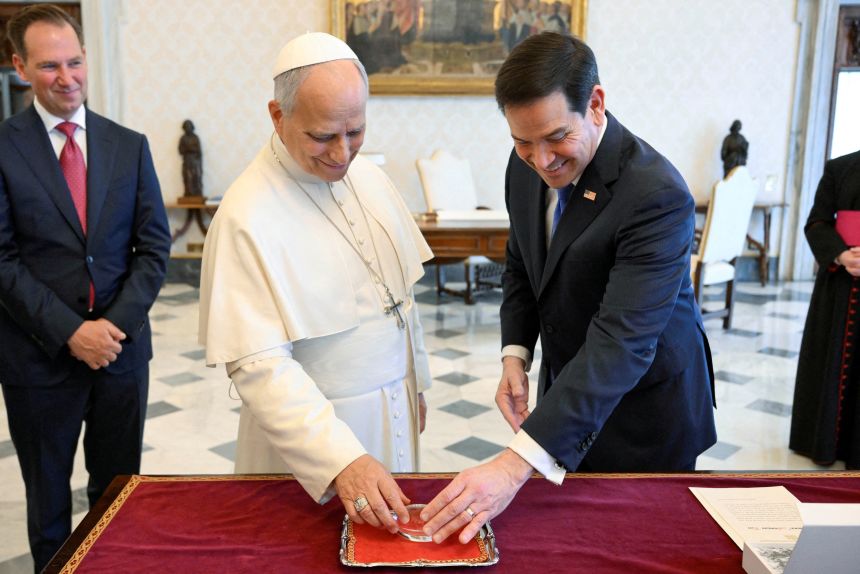
Trump publicly criticized the Pope’s stance on social media, suggesting it undermined efforts against a dangerous regime. A meeting between Secretary of State Marco Rubio and Vatican officials brought limited easing of tensions, but differences persist.
Vatican diplomats insist the Pope speaks as a moral voice, not a political actor. Still, his American birth makes the public rift especially awkward for U.S. Catholics, who remain divided. Polls from April and May show stronger American support for Leo’s peace appeals than for escalation in some cases.

Human Cost
The Vatican has repeatedly highlighted civilian suffering, infrastructure damage, and the regional energy crisis triggered by disruptions in oil flows. Pope Leo has linked these impacts to wider risks of nuclear escalation and prolonged conflict.
“As a pastor, I cannot be in favor of war,” he stated in April. “I encourage everyone to look for answers that come from a culture of peace and not from a place of hate and division.”
Global Ripples
The conflict’s economic fallout such as higher energy prices and supply disruptions has affected millions beyond the Middle East. Leo has pushed for dialogue to reopen the Strait of Hormuz. Regional effects continue in Lebanon and other areas with Christian communities.

As one-year reflections on his papacy circulate in May 2026, the Pope’s stance reinforces a long tradition of Vatican criticism of major military interventions.
Scholars note he is exercising moral authority by reminding leaders of ethical limits on force. U.S. officials maintain that neutralizing threats serves a greater good, a philosophical divide unlikely to resolve soon.