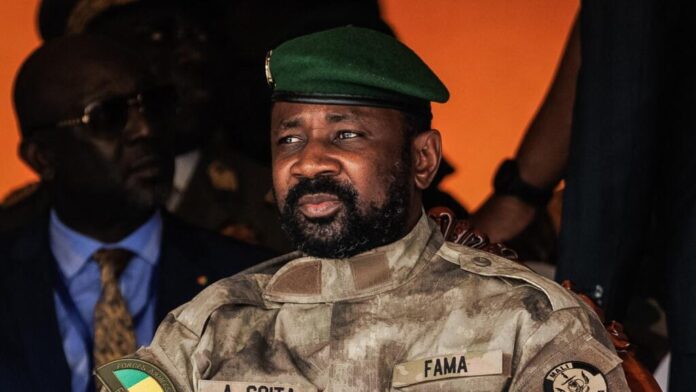
BAMAKO — Malian authorities have arrested a prominent journalist after he criticized the military ruler of neighboring Niger, according to a rights group, in the latest sign of shrinking press freedom under Mali’s junta government.
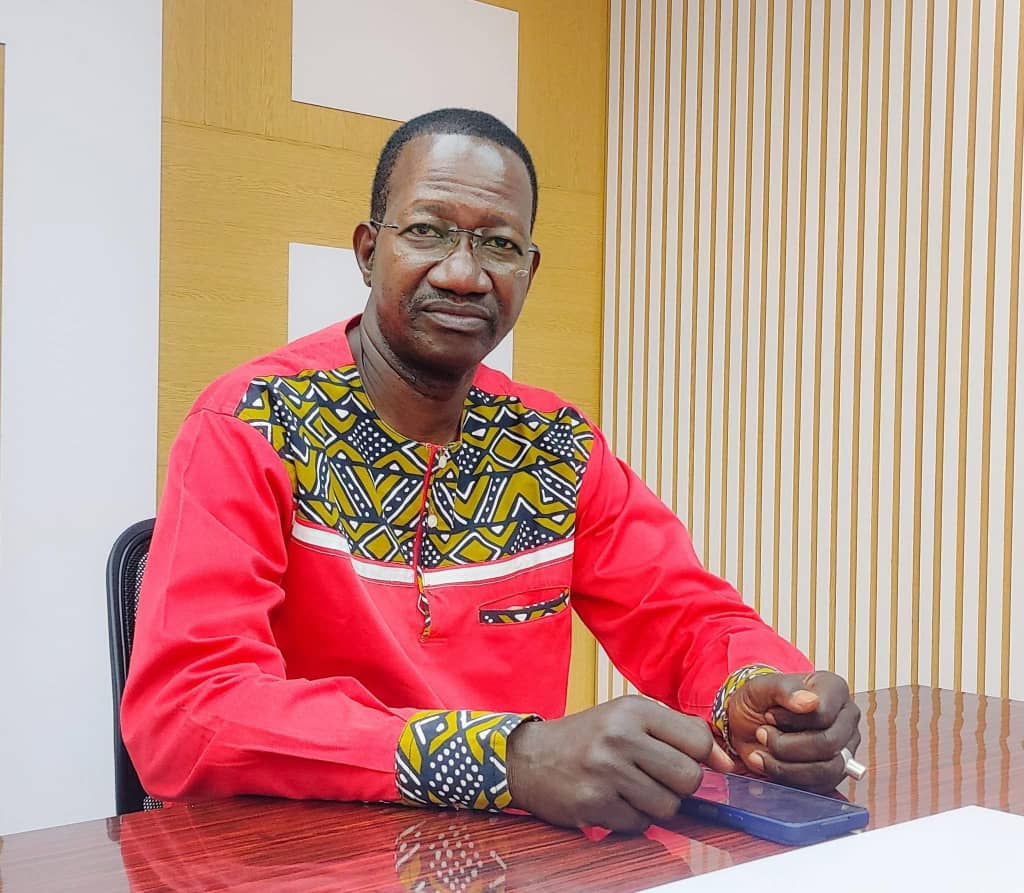
Youssouf Sissoko, editor-in-chief of the weekly newspaper L’Alternance, was arrested by police at his home in Bamako on February 5, Human Rights Watch said Monday.
The arrest adds to growing concerns that Mali’s military rulers are tightening control over dissent while the country faces worsening insecurity and political isolation.
Charges Follow Article on Niger Leader
According to Human Rights Watch, police brought Sissoko before a prosecutor attached to a cybercrime unit, where he was charged with spreading false information, insulting a foreign head of state, and other offences.
He was then ordered held in pretrial detention.
The case stems from an article published in L’Alternance on February 2 that challenged allegations made by Gen. Abdourahamane Tchani, the junta leader of neighboring Niger.
Tchani had accused the presidents of France, Benin, and Ivory Coast of supporting extremist groups responsible for an attack on an airport in Niger’s capital, Niamey, last month.
That airport attack was later claimed by Islamic State Sahel Province.
Coups and Regional Military Rule
Mali, Niger, and neighboring Burkina Faso have all experienced coups in recent years and are now ruled by military governments that seized power promising to restore security.
Instead, analysts say the region has seen rising violence, frequent militant attacks, and deepening humanitarian strain.
The three juntas have distanced themselves from France and other Western partners, formed their own regional alliance, and increasingly turned to Russia for military and political backing.
Those shifts have transformed the geopolitics of the Sahel, once a central focus of Western counterterrorism policy.
Security Worsens Despite Junta Promises
Despite pledges to defeat insurgents, the security situation in Mali, Niger, and Burkina Faso has continued to deteriorate, according to researchers and aid groups.
Islamist armed groups linked to Islamic State and al-Qaeda have carried out a growing number of attacks across the region.
At the same time, government forces have faced accusations of abuses, including killing civilians suspected of collaborating with militants.
Large rural areas remain outside effective state control, and millions of people across the Sahel have been displaced by conflict.
Crackdown on Media and Opposition
Rights advocates say military rulers in the region have increasingly responded to criticism with arrests, censorship, and legal pressure.
In January 2025, Malian authorities banned sales of the Pan-African magazine Jeune Afrique.
Several French broadcasters, including France24, TV5 Monde, and Radio France International, have also been barred from operating in Mali.
Opposition politicians and activists have likewise been detained after criticizing the junta.
Human Rights Watch said Sissoko’s detention highlights the fragile condition of independent media in a country facing repression and shrinking civic space.
The organization called for his immediate and unconditional release and for all charges against him to be dropped.

What began as coups justified in the name of national rescue has increasingly evolved into a system where criticism carries legal risk and journalists face detention for challenging official narratives.
For many Malians, the case of Youssouf Sissoko is another sign that promises of security and renewal have come at the cost of basic freedoms.