New York City health officials announced this week that the Legionnaires’ disease cluster that sickened dozens of people on the Upper East Side has officially ended, closing out a month-long public health response that included widespread cooling tower testing, mandatory disinfection orders, and a rare public accounting of building violations.
The Health Department said the incubation period for new Legionnaires’ cases has now passed with no additional symptom onset reported in the affected ZIP codes — 10028, 10075, and 10128 — over the past two weeks. Since Legionnaires’ disease typically develops between two and 14 days after exposure to the Legionella bacteria, officials said the absence of any new cases in that window confirms the source of exposure was eliminated early in the investigation.
The latest data showed that the city had recorded 92 cases of Legionnaires’ disease tied to the cluster. Of those, 79 people were hospitalized, five remained hospitalized as of the announcement, and seven people died. Health officials extended condolences to the families of those who lost their lives and said the department would continue investigating the precise origin of the outbreak even though the immediate danger has passed.
Health Commissioner Dr. Alister F. Martin said the city moved quickly once a potential Legionnaires’ disease cluster was identified, mobilizing more than 260 Health Department staff members to respond. Investigators tested more than 180 cooling towers across the neighborhood, conducted over 360 laboratory tests on collected samples, and ordered any building with an initial positive screening result to immediately clean and disinfect its cooling tower — even before confirming that live Legionella bacteria were present. That aggressive, precautionary approach, officials said, is why the exposure source of Legionnaires’ disease was neutralized well before the case count peaked.
More than 90 percent of patients in the cluster developed symptoms before July 7, just days after the Health Department launched its investigation and began ordering remediation. The department ultimately directed 83 buildings to clean and disinfect their cooling towers, and every one of them complied. Of the towers tested, 59 came back positive for live Legionella bacteria, while 124 tested negative.
In the weeks since, inspectors completed reviews of every cooling tower that had tested positive for Legionella through screening or confirmatory culture testing, examining maintenance logs, water treatment records, and compliance with the city’s relatively new law requiring monthly Legionella testing. Sixty percent of those inspections turned up at least one violation, and inspectors documented more than 110 violations in total, including public health hazards and critical maintenance failures.
Two buildings stood out for the severity of their violations. A cooling tower at 300 East 83rd Street was found to be operating illegally because it had never been registered with the city; investigators identified it by cross-referencing Department of Buildings construction permits with the city’s cooling tower registry. Inspectors found the owners had gone more than a year without a required maintenance plan, water treatment documentation, or any Legionella sampling, and the city has since issued $11,000 in fines. A second tower at 1520 York Avenue racked up nine violations and $9,000 in fines for similar lapses.
Officials credited an unusual degree of transparency with driving a sharp rise in compliance with the city’s cooling tower testing law during the response. On July 10, the Health Department began publicly posting a list of buildings whose cooling towers had tested positive for Legionella, and it updated that list as new lab results came in. Within a day of the list’s release, 74 percent of relevant cooling towers had submitted records showing compliance with monthly testing rules; by July 24, that figure had climbed to 97 percent.
The department’s Public Health Laboratory is now comparing bacterial samples taken from patients against samples pulled from the cooling towers that tested positive, a genome sequencing process that officials expect to complete by the end of August. That analysis could help pinpoint definitively which tower or towers were responsible for spreading the Legionella bacteria that caused the cluster.
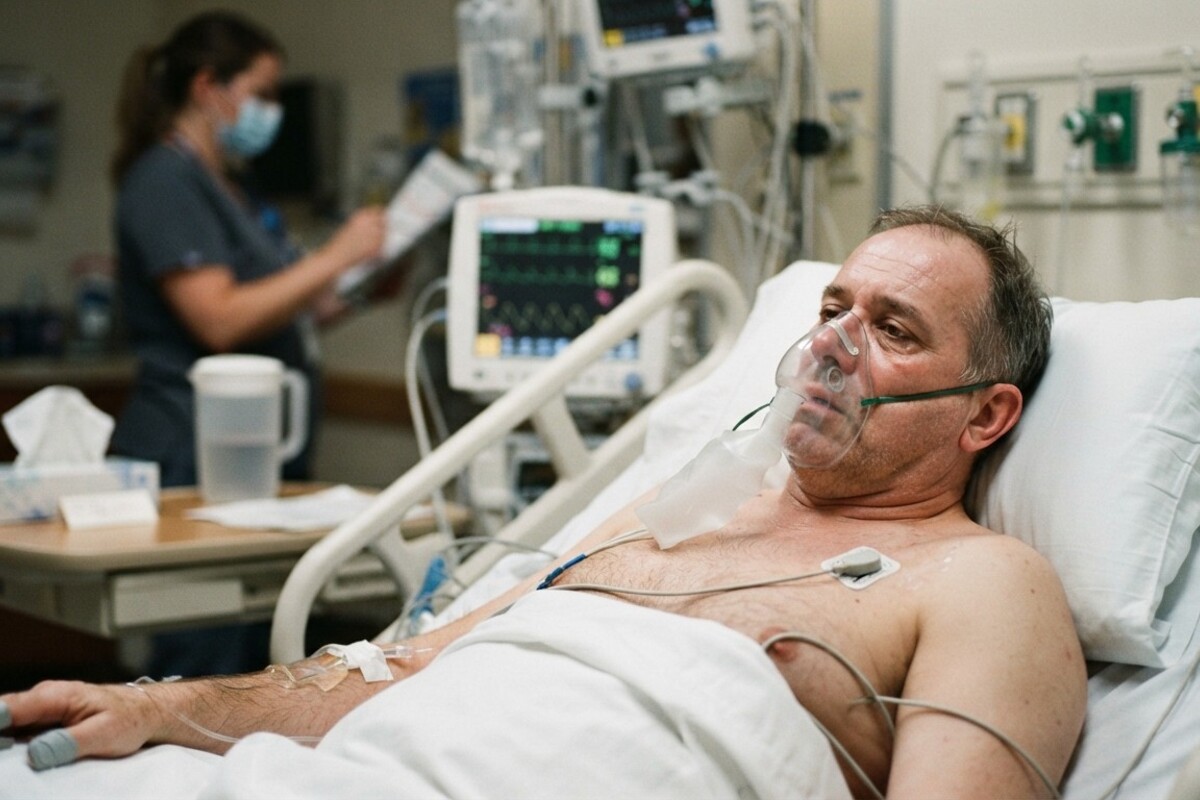
Even with the exposure risk of Legionnaires’ disease declared over, officials urged residents who develop flu-like symptoms, cough, or difficulty breathing to seek medical attention and mention any recent time spent on the Upper East Side, noting that most people exposed to Legionella do not get sick, but those with weakened immune systems, chronic lung disease, or who are older adults face higher risk. The department said it would continue to monitor the area and enforce cooling tower regulations citywide as part of its broader effort to prevent future Legionnaires’ clusters.