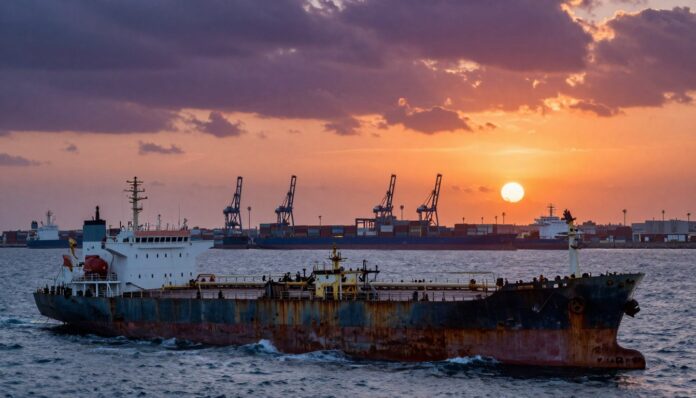
Recent events in the Strait of Hormuz have caught everyone’s eye. On Friday, U.S. forces disabled two Iranian tankers. This action shows how fragile our Global Energy Security is and the dangers of key sea routes.

How does a fight far away affect you? When oil transport gets disrupted, gas prices often go up. Understanding these complex dynamics helps us see why local troubles can spread far.
We’re seeing a change in how countries guard their supply lines. By looking at these changes, we can understand better what keeps our daily resources stable.
Key Takeaways
- U.S. forces recently disabled two Iranian tankers in the Strait of Hormuz.
- Maritime transit disruptions directly influence the price of crude oil.
- Regional conflicts in the Middle East have immediate effects on American consumers.
- Maintaining stable supply chains is essential for economic health.
- The incident highlights the ongoing challenges of protecting international shipping lanes.
Current State of Middle Eastern Maritime Transit
Millions of barrels of oil travel through Middle Eastern sea routes every day. This region is key for the global energy market, linking producers to consumers worldwide. The sheer scale of this operation is difficult to overstate, as any disruption affects the world economy.
Key Shipping Lanes and Traffic Volume
The flow of crude oil exports is vital for the global energy sector. Tankers move through narrow passages, needing precise coordination and constant watch. Several factors make these zones complex:
- High density of supertankers navigating narrow channels.
- Constant demand for energy in Asian and Western markets.
- Geopolitical sensitivity of the surrounding coastal nations.
- Reliance on specific chokepoints for efficient delivery.
Recent Trends in Tanker Incidents
New bodies are shaping the seascape, like Iran’s Persian Gulf Strait Authority. It oversees and taxes vessels passing through its area. This adds complexity to Middle Eastern maritime transit for shipping companies.
These changes mean more scrutiny for commercial vessels. Moving crude oil exports has become more costly and slow. Operators must now balance efficiency with security in a changing world.
Anatomy of a Tanker Incident
Modern maritime security is about the fine line between mechanical failure and state-level actions. When a ship stops in the Persian Gulf, it’s often due to technical problems or deliberate actions. Understanding these tanker incidents helps us see the bigger picture of maritime tensions.
Mechanical Failures Versus External Interference
It’s hard for intelligence agencies to tell if a ship’s problem is just a breakdown or a deliberate attack. While many ships face routine maintenance issues, recent events show a rise in active enforcement. For example, the U.S. military used fighter jets to damage two Iranian tankers’ smokestacks, a big step up in enforcing the U.S. blockade.
This action shows how deliberate interference can stop a ship without causing a huge environmental disaster. It’s meant to block transit and send a clear message of geopolitical intent. It makes us look deeper into tanker incidents to see the strategic goals behind them.
The Role of Maritime Salvage Operations
When a ship is disabled, the focus turns to maritime salvage. Salvage teams face high-risk situations to secure ships that have been targeted or damaged. They are critical for keeping global trade flowing and preventing environmental damage in the Persian Gulf.
Handling the aftermath of a U.S. blockade requires a lot of technical skill and international cooperation. Salvage crews work under a lot of pressure, balancing safety with the need to clear shipping lanes quickly. Their efforts show the technical complexities of modern maritime security, keeping the sea open for global trade even in conflict.
Global Energy Security and Supply Chain Vulnerabilities
Recent events near Kharg Island show how fast Global Energy Security can be at risk. An estimated 80,000 barrels of oil spilled into the water. This highlights the dangers of our current energy supply chain.
This issue is more than just a local problem. It shows how fragile the infrastructure that powers our world is.
Interconnectedness of International Oil Markets
The global economy works like a complex machine. Every part needs resources to keep going. International oil markets are so connected that a problem in one place can cause oil market volatility everywhere.
When a key spot has trouble, people far away feel it. This interconnectedness means no area is safe from others’ problems.
The Ripple Effect of Supply Disruptions
A sudden drop in supply sets off a chain reaction. As supplies dwindle, prices often jump. This leads to oil market volatility that affects shipping costs and even your utility bills.
Keeping the energy supply chain stable is key to avoiding these big economic shocks. Ignoring these risks can lead to long-term instability. This threatens Global Energy Security on a huge scale.
The Strategic Importance of the Strait of Hormuz
The Strait of Hormuz is a key spot in the world economy. It’s a main route for oil and gas exports from the Persian Gulf to the Indian Ocean. When this area is uncertain, the whole world’s energy market feels it right away.
Chokepoint Dynamics and Global Trade
This area is a key chokepoint where geography controls trade. From February 28, its closure to energy shipments has shaken global supply chains. Keeping it open is key for Middle Eastern maritime transit stability, as small delays can cause big price swings.
Several things make this maritime route so critical:
- It carries a lot of crude oil and liquefied natural gas every day.
- There are few other ways for tankers to leave the Persian Gulf.
- Most global energy comes from a small area.
- Big economies rely on constant, uninterrupted flow.
Historical Precedents for Transit Disruptions
Looking at history shows how nations handle threats in this area. Past incidents have led to international naval cooperation and diplomacy. These lessons guide today’s leaders in handling Middle Eastern maritime transit challenges.
By examining these past events, we see the Strait of Hormuz has always been a hot spot for tension. Leaders use these lessons to make strategies that protect national security and support free trade. The aim is to keep this narrow passage open for everyone’s benefit.
Immediate Economic Consequences for the United States
When maritime security fails in the Middle East, gas stations in the U.S. feel it right away. The energy supply chain is a complex system that depends on tankers moving smoothly. Any problem in this chain can quickly raise the cost of living for Americans.
Impact on Domestic Fuel Prices
Recent tensions in the Strait of Hormuz have shaken global oil markets. U.S. Central Command has taken action, stopping 58 ships and disabling four. These steps are needed for safety but often cause fuel price spikes that surprise consumers.
When crude oil supply is uncertain, prices at the pump go up. American households pay more for transportation and heating. This shows how international maritime safety affects family budgets.
Supply Chain Bottlenecks and Industrial Production
These disruptions also block industrial production. U.S. manufacturers need a steady flow of materials and energy to work well. When shipping lanes are blocked, production slows and costs go up.
Companies face high logistics costs and inventory shortages. This makes it hard for them to keep producing. The security of the Strait of Hormuz is key to U.S. industrial and economic stability.
Insurance Premiums and Shipping Costs
When tankers face transit hurdles, the financial impact quickly moves from the high seas to your local gas station. The global supply chain relies on predictable routes. But recent events have introduced new layers of complexity. These shifts create a direct link between maritime safety and the prices you see at the checkout counter.

The Rising Cost of War Risk Insurance
As maritime risks increase, the cost of shipping insurance has surged. This places additional upward pressure on global shipping rates. Data from Lloyd’s List Intelligence regarding the new Iranian transit authority has further complicated the landscape for insurers and shipping companies alike. This uncertainty forces underwriters to adjust their premiums to account for possible losses in high-risk zones.
Higher premiums are not just a line item for shipping firms. They represent a fundamental change in how we assess global trade safety. When the cost of protecting a vessel rises, these expenses are inevitably passed down the line. This dynamic contributes significantly to ongoing oil market volatility, as traders react to every update in maritime security.
How Shipping Rates Influence Consumer Prices
You might wonder how a tanker in the Middle East affects your daily budget. The answer lies in the way shipping costs are integrated into the final price of goods and energy. When transport becomes more expensive, the cost of moving crude oil and refined products rises. This often leads to fuel price spikes at the pump.
Several factors contribute to this upward pressure on consumer prices:
- Increased premiums for shipping insurance policies.
- Higher operational costs due to longer, safer transit routes.
- Market speculation driven by oil market volatility.
- Increased logistics expenses for refined petroleum products.
- Supply chain delays that trigger localized fuel price spikes.
Ultimately, the global energy market is a delicate ecosystem where every disruption carries a price tag. By understanding these financial mechanics, you can better grasp why energy costs fluctuate even when domestic production remains steady. Staying informed helps you navigate the economic realities of our interconnected world.
Geopolitical Tensions and Regional Stability
Keeping the Strait of Hormuz safe is a big challenge. It needs international teamwork. Recent events show how easily geopolitical stability can be shaken when key trade paths are blocked. Now, countries worldwide are teaming up to keep energy flowing smoothly.
Diplomatic Responses to Maritime Security Threats
Talking things out is key to easing tensions. Many nations are in talks to boost maritime security. They want to keep shipping lanes open for all.
By keeping communication lines open, leaders aim to build trust. Clear dialogue is key to making sure everyone knows the rules. This helps keep the area stable and lowers the chance of accidents.
The Role of International Naval Coalitions
Naval coalitions also play a big role in protecting ships. They watch over traffic and stop threats in risky areas. For example, Britain is sending the HMS Dragon to join a U.K.- and French-led mission.
This teamwork shows a strong dedication to global energy security. By working together, they can cover more ground and handle emergencies better. These partnerships are essential for keeping the flow of resources steady for the world’s economy.
Response Strategies from International Maritime Authorities
When tensions rise at sea, the world looks to organized maritime responses for stability. Ensuring the safety of energy shipments requires a unified approach from global powers. They work together to protect vital trade routes. This helps keep the global economy moving forward.
Coordinated Efforts in Search and Rescue
Effective maritime security relies on quick asset deployment during emergencies. Recently, nations have increased their presence in high-risk zones. This provides immediate assistance to distressed vessels.
For example, France is moving its aircraft carrier strike group into the Red Sea. This move bolsters regional safety.
These naval coalitions act as a vital deterrent against threats to commercial shipping. Their presence ensures help is always nearby for vessels facing mechanical failure or external interference. Key components of these efforts include:
- Real-time monitoring of tanker traffic patterns.
- Rapid response protocols for emergency distress signals.
- Joint communication channels between naval ships and merchant vessels.
- Regular patrols to discourage unauthorized boarding or harassment.
Regulatory Frameworks for Tanker Safety
Beyond immediate rescue operations, international authorities focus on long-term stability through strict safety standards. These frameworks ensure vessels operating in sensitive waters meet high operational requirements. By standardizing safety procedures, agencies reduce the likelihood of accidents.
Strengthening these regulations involves constant dialogue between international bodies and shipping companies. This collaborative environment helps create a safer maritime landscape. As these policies evolve, they continue to prioritize the protection of crews, cargo, and the marine environment from dangers of regional conflict.
Technological Innovations in Tanker Safety
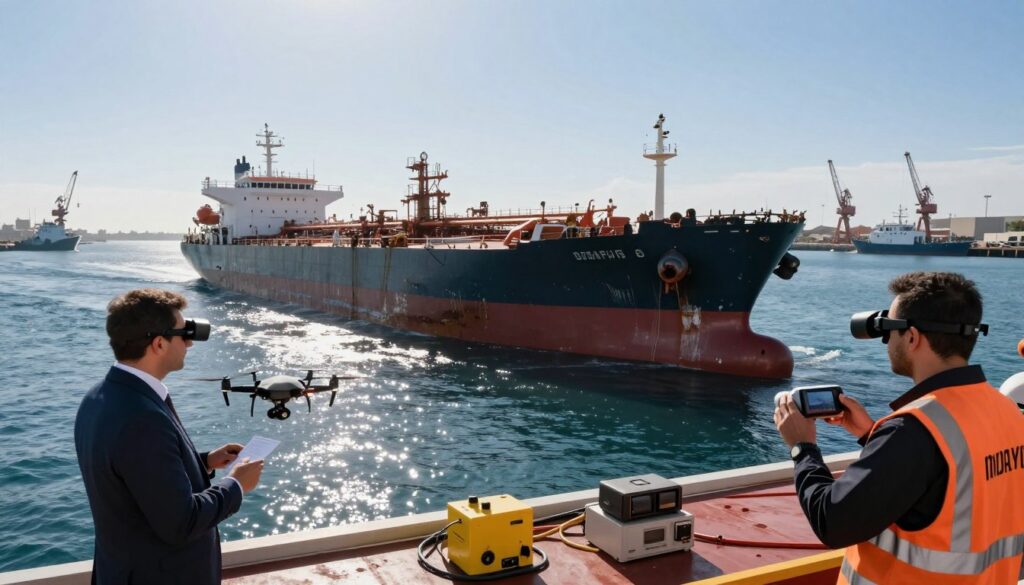
Preventing big environmental damage needs smarter, more responsive tech at sea. The 71-square-kilometer oil spill off Kharg Island shows we must act fast. By tackling the causes of tanker incidents, we can protect our oceans better.
Autonomous Monitoring and Early Warning Systems
Today’s ships use advanced systems to track their movement in real-time. These tools offer critical oversight in danger zones, helping crews avoid big problems. They greatly reduce the chance of tanker incidents.
Also, using these technologies can lower shipping insurance costs. Companies that invest in safety tech often get cheaper premiums. This motivates them to keep their ships safe, making global trade safer for everyone.
Advancements in Hull Integrity and Containment
Physical engineering has also made big strides. New materials and double-hull designs are now common. They offer a robust defense against damage.
Engineers are working on smart containment systems too. These systems kick in if there’s a leak. This is a hopeful path forward for the sea. It combines strong structures with quick responses, reducing harm to our oceans.
Diversification of Energy Sources
The world’s reliance on oil has made countries look for new energy sources. They see that relying on one place for oil is risky. By using different sources, they can avoid big economic problems.
Reducing Reliance on Middle Eastern Crude
Many countries are looking for new ways to get their energy. For example, South Korea got over 60% of its oil from the Strait of Hormuz last year. This shows they need to find other ways to get their oil.
They are now working with suppliers in the Americas and Africa. They want to cut down on oil that goes through risky places. This helps them stay safe from problems in one area.
The Shift Toward Renewable Energy Integration
There’s a bigger plan to change how we make power. Using wind, solar, and geothermal energy is key. This way, countries can make their own electricity without oil imports.
This change is good for the planet and for security. When countries make their own power, they’re not as affected by shipping delays. Using renewable energy integration keeps the lights on, even when trade routes are blocked.
Long-term Policy Implications for Energy Independence
Achieving true energy independence needs a mix of short and long-term plans. Governments must go beyond quick fixes to create a strong system. This system should handle global market changes well.
By investing in sustainable infrastructure, countries can shield their people from global supply chain ups and downs.
Strategic Petroleum Reserve Management
The Strategic Petroleum Reserve is a key safety net in crises. It helps when supply lines get disrupted or prices jump suddenly. Effective management of these reserves is key to keeping the national economy strong.
- Maintaining optimal inventory levels to deter market manipulation.
- Coordinating release strategies with international partners to stabilize global prices.
- Investing in modern storage facilities to ensure long-term readiness.
- Balancing reserve drawdowns with domestic production incentives.
Legislative Approaches to Energy Security
Proactive laws are the foundation of a secure energy future. Policymakers are looking at various tools to boost geopolitical stability and cut down on reliance on unstable areas. These efforts involve complex talks and new diplomatic moves.
For example, talks about Iran sending enriched uranium to Russia show the complex nature of global energy talks. Such moves aim to solve long-standing issues that affect energy flow. By tackling these issues, countries can enhance their geopolitical stability.
Also, moving towards renewable energy integration is key in this legislative area. By making the power grid more diverse, nations can lessen their risk from sea travel problems. This move towards cleaner, domestic sources is vital for modern energy independence. Combining smart reserve management with strong renewable energy integration will shape the future of national security.
Navigating the Future of Maritime Energy Logistics
Keeping oil flowing worldwide needs a mix of quick safety steps and long-term energy plans. Diplomats work hard to make peace deals. These deals help keep shipping lanes safe and stable.
Recent tanker incidents teach us to always innovate. Companies like Maersk and Shell invest in new tech to protect ships. This effort helps the U.S. avoid sudden supply chain problems.
True energy independence is more than just watching chokepoints. It’s about using different fuels and building strong infrastructure at home. Working together, countries can create a strong, growing economy.
Readers are key in this conversation. Knowing about global trade helps people support good policies for our future. We encourage you to share your thoughts and join the discussion about our energy future.