Diplomatic relations between Ghana and South Africa face renewed strain in May 2026 following a surge in reported xenophobic incidents targeting African migrants, including Ghanaians.
Ghanaian authorities have summoned South Africa’s envoy, petitioned the African Union, and issued practical safety guidance as viral videos of harassment circulate widely. While both governments emphasize dialogue, Ghanaians in South Africa and those planning travel receive clear recommendations to prioritize personal safety.
Recent Incidents and Triggers
In late April 2026, videos showing confrontations with Ghanaians in areas such as KwaZulu-Natal spread rapidly on social media.
In one widely shared clip, a Ghanaian resident was questioned about his legal status and told to return home to “fix his country.” Similar reports involved harassment, demands for documentation by unauthorized individuals, and threats of violence.
Ghana’s Ministry of Foreign Affairs acted swiftly. On April 23, Minister Samuel Okudzeto Ablakwa summoned South Africa’s acting High Commissioner, Thando Dalamba, to convey strong concerns. South African authorities promised investigations and a crackdown on perpetrators.
Tensions escalated with planned anti-migrant protests in early May across multiple provinces. These actions, driven by local grievances over jobs, crime, and service delivery, have heightened risks for foreign nationals. Ghana has joined other nations, including Nigeria, in raising the issue at continental levels.
“We have expressed our deepest concerns over the extremely disturbing xenophobic attacks on Ghanaians and other African nationals. We demand full protection for our citizens.” — Samuel Okudzeto Ablakwa, Ghana’s Minister for Foreign Affairs.
South Africa’s Battle With Xenophobia
South Africa has a long record of xenophobic violence, with major outbreaks in 2008, 2015, and 2019. Foreign nationals, particularly from other African countries, often become scapegoats during periods of high unemployment and economic hardship.
Many South Africans perceive migrants as competitors for limited opportunities, despite evidence that immigrants contribute to the economy through entrepreneurship and labor.
Ghanaians form part of a significant West African diaspora in South Africa, active in trading, services, and skilled professions.
Exact numbers are difficult to confirm, but thousands reside there legally and contribute to bilateral ties rooted in anti-apartheid solidarity.
The current wave reflects recurring patterns: economic frustration, political rhetoric, and social media amplification.
South African leaders, including Deputy President Paul Mashatile, have stated there is “no xenophobia” but rather opposition to illegal immigration. Critics argue this distinction fails to address the targeting of legal residents.
Official Responses and Diplomatic Efforts
Ghana has taken several steps to safe-guard it’s citizens.
Summoned the South African envoy multiple times.
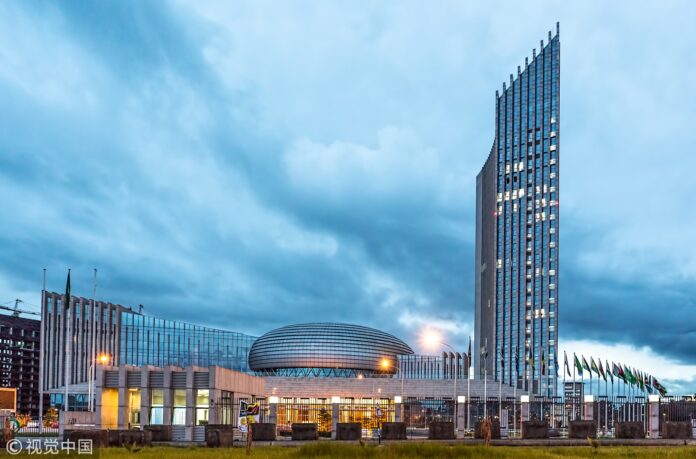
Requested African Union discussion at the June 2026 summit.
Opened consular support channels and a 24-hour hotline for citizens in South Africa.
Evacuated at least one Ghanaian national featured in viral videos.
South Africa has pledged prosecutions, investigations, and better policing. However, implementation remains a challenge amid widespread protests. Mozambique and other nations have issued similar warnings and engaged Pretoria.
Bilateral Indicators and Recent Developments (2026)
| Aspect | Details | Recent Impact (April-May 2026) | Ghana Response |
|---|---|---|---|
| Ghanaian Population in SA | Thousands (traders, professionals) | Increased harassment reports | Consular alerts, evacuation support |
| Trade Volume | Significant (minerals, goods) | Potential disruption from protests | Monitoring economic effects |
| Diplomatic Actions | Regular high-level meetings | Envoy summoned; AU petition filed | Strong protests and calls for probe |
| Incidents Reported | Harassment, threats, limited violence | Viral videos from KZN and Johannesburg | 24-hour hotline activated |
| South African Position | Crackdown promised, focus on illegal migration | Protests in multiple provinces | Dialogue with counterpart Lamola |
| Travel Recommendations | Exercise caution | Advisory against non-essential travel | Parliamentary calls for formal warning |
Data compiled from government statements and reports as of May 7, 2026.
This table shows the balance between longstanding cooperation and current security challenges.
Economic and People-to-People Ties
Despite tensions, economic links remain important. South Africa is a major trading partner for Ghana in areas such as mining equipment, consumer goods, and services. Many Ghanaians study or work in South Africa, while South African companies operate in Ghana’s telecom, retail, and banking sectors.
The Ghana High Commission in Pretoria continues to support citizens. Officials urge Ghanaians to register with the mission, avoid high-risk areas like certain Johannesburg districts during protests, and maintain low profiles.
Minority leaders in Ghana’s Parliament have called for formal travel advisories against non-essential trips, emphasizing that safety must come first.
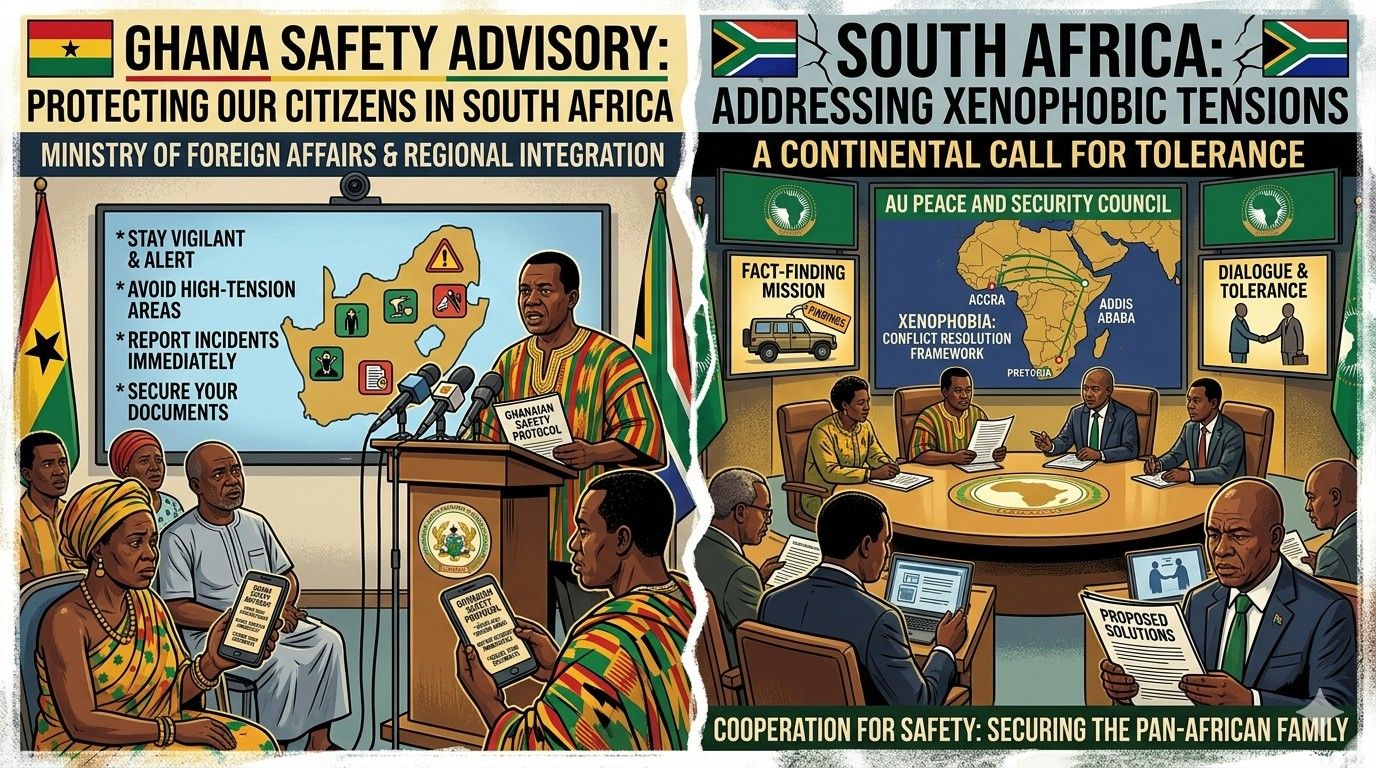 Practical Safety Advisory for Ghanaians
Ghanaians currently in South Africa or planning visits should consider the following measures.
Avoid non-essential travel to affected areas, particularly Johannesburg CBD, parts of Pretoria, Durban, and KwaZulu-Natal during protest periods.
Register with the Ghana High Commission in Pretoria and share emergency contacts.
Carry valid documents at all times but avoid engaging with unofficial groups demanding papers.
Stay informed through official channels and reputable local news. Monitor protest announcements.
Use secure transport and avoid isolated areas, especially at night.
Report incidents immediately to local police and the Ghana mission.
Have contingency plans, including access to funds for possible early return.
Those with businesses or long-term commitments should strengthen security measures and maintain strong local networks. Families in Ghana are advised to keep regular communication with relatives abroad.
“Safety of our citizens is paramount. We urge all Ghanaians to exercise maximum caution and utilize consular services.” — Senior official, Ghana Ministry of Foreign Affairs.
Continental Implications
The situation tests Pan-African solidarity. Ghana’s petition to the AU seeks collective mechanisms to prevent recurrence. Success could strengthen continental protocols on migrant protection.
Failure risks further retaliatory actions and damaged intra-African trade under the African Continental Free Trade Area.
Experts stress addressing root causes in South Africa such as unemployment, service delivery, and integration policies while protecting human rights of all residents.