The Democratic Republic of the Congo is battling its fastest-moving Ebola outbreak on record, with health authorities confirming that the number of infections has climbed to 3,200, including at least 1,405 deaths. The updated figures, released by the government over the weekend, show that case numbers have jumped by roughly 1,000 in just ten days, underscoring how quickly the virus is tearing through communities in the country’s east.
The current wave marks the DRC’s seventeenth recorded Ebola outbreak and was formally declared on May 15. Health officials say it is being driven by the Bundibugyo strain of the Ebola virus, a variant for which no approved vaccine or treatment currently exists. That gap has left front-line medics relying largely on supportive care, isolation and contact tracing to slow the spread of Ebola while international partners race to bring experimental tools into the field.
According to the World Health Organization, nearly 90 percent of confirmed Ebola cases have been recorded in Ituri province in the country’s northeast, an area that borders both South Sudan and Uganda. The UN health agency has also confirmed that Ebola transmission has now been detected in five provinces altogether, including two provinces where the virus has only recently appeared, raising fears that containment efforts are struggling to keep pace with the outbreak’s spread.
Humanitarian officials say reaching affected communities remains one of the biggest obstacles to stopping the Ebola outbreak. Hedley Tah of the UN Humanitarian Air Service said that while aid groups are eager to help, the practical challenge often lies simply in physically getting response teams and supplies to remote and insecure areas. The agency has been flying medics, response personnel and laboratory samples into and out of hard-to-reach zones to keep testing and treatment efforts running, and it noted this week that the virus’s spread into two additional provinces has added new urgency to the airlift operation.
Congolese authorities have said that part of the sharp rise in confirmed cases reflects improved detection and expanded testing capacity rather than an uncontrolled explosion in transmission alone, though officials caution the outbreak could still last for several more months. Compounding the response, strikes by healthcare workers demanding unpaid wages have disrupted operations at some hospitals in affected areas, further straining a health system already stretched by the scale of the emergency.
Ebola spreads through direct contact with the bodily fluids of infected people and causes severe hemorrhagic fever, with symptoms including high fever, vomiting, diarrhea and, in many cases, uncontrolled bleeding. Over the past five decades, Ebola outbreaks across Africa have killed more than 15,000 people, making the virus one of the continent’s most feared recurring public health threats.
There are, however, signs of progress on the scientific front. Researchers at Oxford University announced on Friday that the first group of volunteers had received an experimental vaccine specifically targeting the Bundibugyo strain responsible for the current outbreak. Several additional vaccine candidates are being fast-tracked into clinical trials, while two potential Ebola treatments are also in development, offering a measure of hope even as case counts continue to climb.
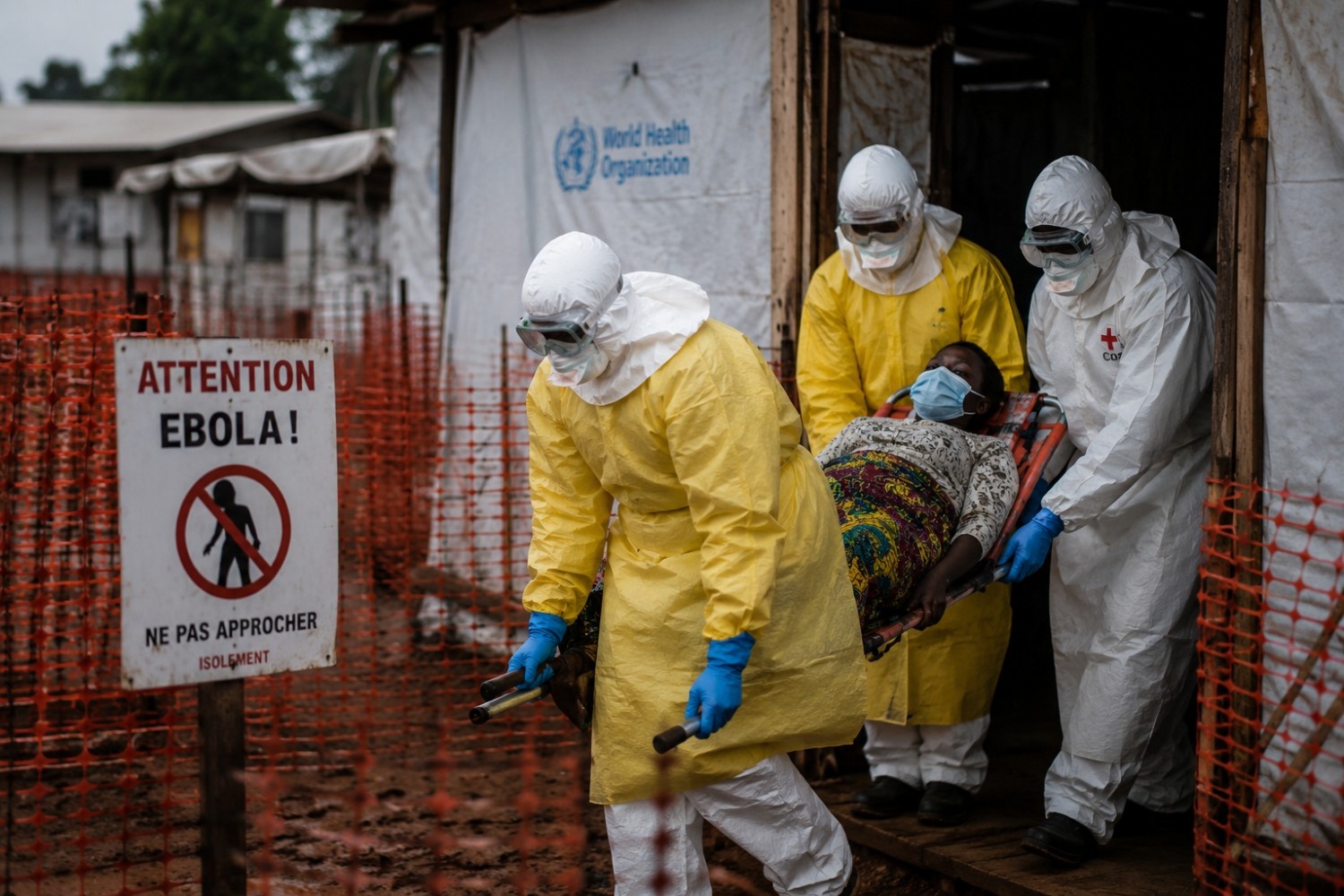
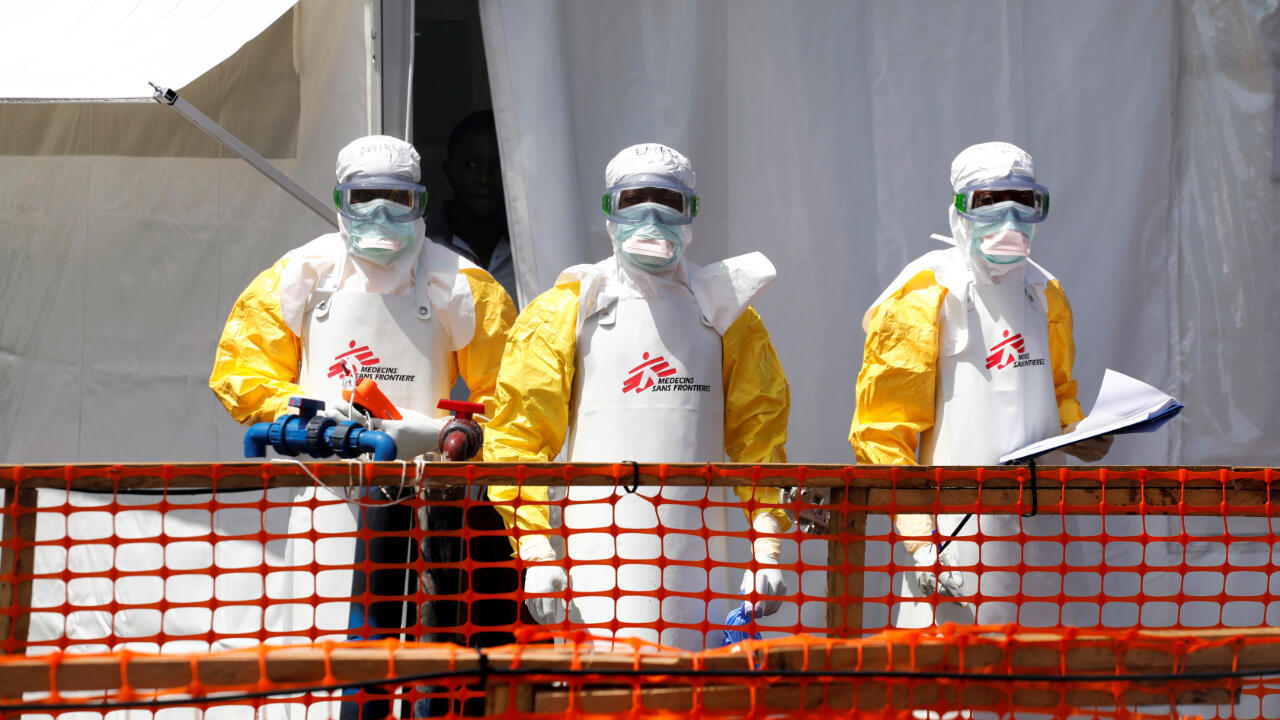
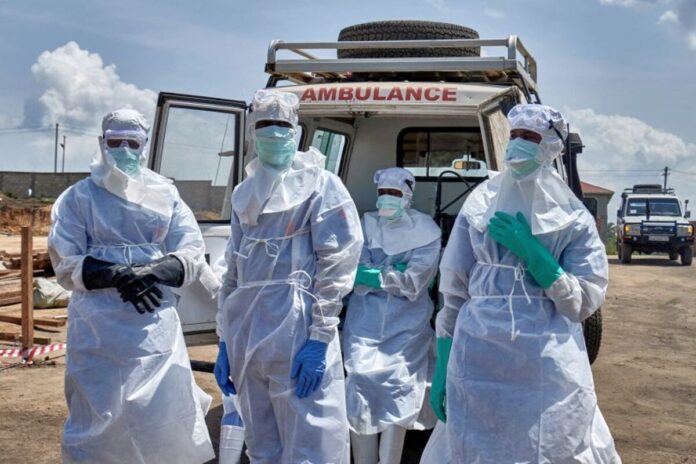
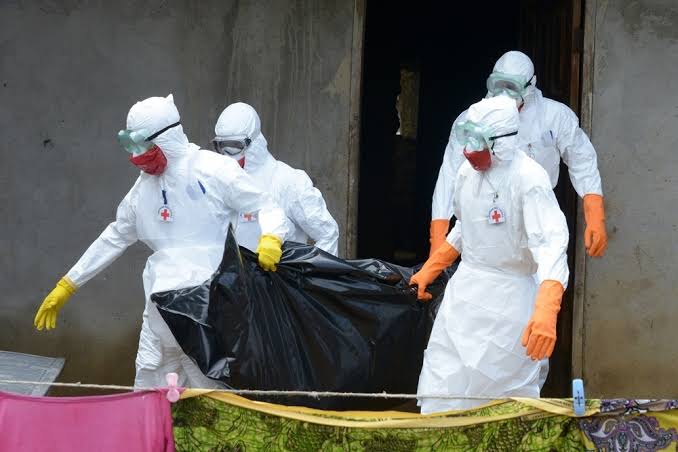
For now, health workers on the ground in Ituri and neighboring provinces remain focused on the immediate task of isolating patients, tracing contacts and safely managing burials, all critical steps in interrupting Ebola’s chain of transmission. With the death toll surpassing 1,400 and infections still rising, officials and aid agencies alike are warning that the coming weeks will be decisive in determining whether the outbreak can be brought under control before it spreads further.