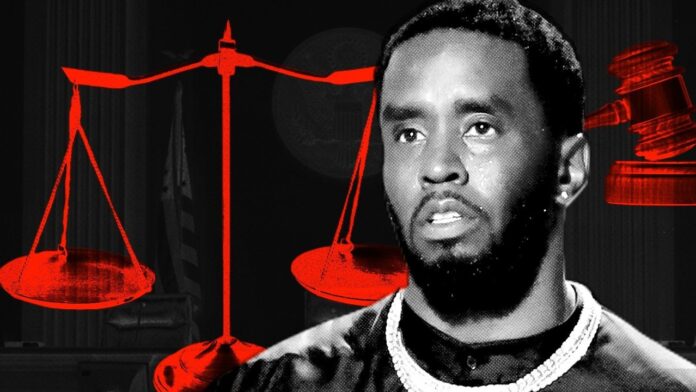
The spotlight remains fixed on the legal proceedings involving Sean Combs, widely known as Diddy, as the federal investigation against the music mogul enters a critical stage.
Government agencies are continuing to examine evidence gathered during the investigation while prosecutors prepare for the next phase of court proceedings. The developments are expected to play a major role in determining how the case moves forward in the American legal system.
The high profile nature of the investigation has drawn widespread public and media attention, with legal analysts closely monitoring each court filing and procedural decision. Federal authorities are believed to be reviewing witness testimony, digital records and other evidence as part of the ongoing case.
Combs has faced mounting legal scrutiny in recent months amid multiple allegations and lawsuits, although the federal proceedings remain separate from several civil cases connected to the entertainer.
Legal experts say the coming hearings could prove pivotal, as prosecutors and defense attorneys prepare arguments that may influence the broader direction of the case. Observers also note that the proceedings are being watched closely because of Combs’ status as one of the most influential figures in the American music industry.
Neither federal investigators nor Combs’ legal team have publicly disclosed the full scope of the evidence under review, and the case remains ongoing.
Overview of the Federal Indictment
The federal indictment is the heart of the case. It lists the charges the government plans to prove. This document sets the stage for the trial.
Transparency is key here. The indictment shows what the case is about. It’s not just a list of charges. It’s a detailed plan for the case.
Jurisdictional Scope of the Ongoing Case
It’s important to know why certain courts handle this case. The jurisdictional scope depends on the alleged crimes and their impact. Since it involves federal laws, it’s in the hands of the U.S. District Courts.
This ensures the case follows federal law. It lets the government tackle issues that span states. The federal indictment against Sean Combs shows the power of federal law in one place.
Understanding the Charges Against Diddy
Federal authorities have made serious accusations against Diddy. We need to break down the legal framework of this case. The public is very interested in these criminal charges.
Breakdown of Federal Allegations
The indictment lists serious accusations against Diddy. It says these actions were not just one-off incidents. They were part of a bigger plan to control and influence.
“The rule of law is the bedrock of our society, and every individual, regardless of their status, must answer to the evidence presented in a court of law.”
The government’s case focuses on how these systemic behaviors were enforced through fear and force. These claims are at the heart of the prosecution’s plan for the trial.
Legal Definitions of the Charges Filed
To understand the case’s gravity, we need to know the legal terms. Racketeering means running an illegal business as part of a criminal group. It involves many crimes.
Sex trafficking is about forcing, tricking, or coercing people into sex work. These criminal charges are very serious under federal law. They show how seriously the government takes these alleged violations.
By looking at these definitions, we get the context of the prosecution’s case. It’s key to understand these complex legal terms to follow the case in court.
Key Players and Legal Teams Involved
The legal battle around Sean Combs pits seasoned federal prosecutors against a strong defense team. Both sides are experts, making every move carefully thought out. Knowing about these professionals helps us understand the case’s future.

The Prosecution Team Strategy
Federal prosecutors are working hard to build a strong case. They gather lots of evidence and listen to witnesses. Their goal is to show a clear pattern of behavior that matches the charges.
They focus on digital and physical evidence to support their claims. They want to make sure all evidence meets federal standards. This careful planning aims to avoid weaknesses in their case.
Defense Counsel Representation
The team defending Sean Combs is building a strong defense strategy. They aim to protect his rights and challenge the government’s view of the evidence. They want to show that the investigation was flawed.
The defense is being proactive, filing motions to limit the evidence. They question witnesses and the government’s claims. Their experience in big cases helps them tackle the federal court’s challenges.
Recent Court Filings and Procedural Motions
We are keeping a close eye on the latest court filings. These documents show how both sides are planning their moves. They help us see the legal challenges that are coming.
Pre-Trial Motions and Arguments
The case is now in a phase where pre-trial motions are key. Both sides are filing motions to add or remove evidence before the trial starts. These motions are crucial as they set the stage for the trial.
The defense tries to limit the government’s case with strategic filings. On the other hand, prosecutors aim to keep their evidence central. These pre-trial motions are the main battleground for setting the trial’s legal boundaries.
Judicial Rulings on Evidence Admissibility
The judge’s role is vital in these disputes. Through judicial rulings, the court decides what evidence the jury can see. These rulings can greatly affect the case’s direction.
When a judge makes a ruling, it can help or hurt a party’s case. We watch these judicial rulings closely. They control what evidence is presented in court. The rules for evidence admissibility make sure the trial focuses on important and legally obtained facts.
| Procedural Stage | Primary Objective | Key Stakeholder |
|---|---|---|
| Motion to Suppress | Exclude evidence | Defense Counsel |
| Discovery Review | Exchange information | Both Parties |
| Admissibility Hearing | Validate evidence | Presiding Judge |
| Pre-Trial Conference | Finalize trial scope | Court and Counsel |
The Role of Federal Prosecutors in the Case
Every major indictment starts with a detailed process by the Department of Justice. These lawyers check the evidence, present cases to grand juries, and fight for justice. Their work sets the stage for any federal investigation.
Investigative Tactics Employed by the Department of Justice
Federal prosecutors use many advanced methods to build strong cases. They use subpoenas to get documents, financial records, and digital messages. This helps them understand the situation fully.
Here are some common methods used during the investigation:
Issuing grand jury subpoenas to get testimony and documents.
Executing search warrants to take physical and electronic evidence.
Using undercover operations to get live information.
Looking at complex financial trails to find illegal deals.
Coordination Between Federal Agencies
A successful federal investigation needs teamwork between different government groups. The Department of Justice leads, guiding various agencies to make sure nothing is missed. This teamwork helps share resources and skills.
For example, prosecutors often work with the FBI and Homeland Security Investigations (HSI). They share information and help each other out. This teamwork is essential for tackling big, complex cases.
Impact of Evidence Seized During Federal Raids
We are looking at how the evidence from recent raids helps the government’s case. The Department of Justice has carefully gathered a lot of materials. These materials will shape the trial’s focus.

Digital Forensics and Electronic Evidence
Today’s courts rely on electronic data. Investigators use digital forensics to get info from phones and online accounts. This is a big task, especially with lots of data.
The accuracy of this data is key for the trial. The prosecution must show that the data was handled correctly from start to finish. Here are the main challenges for forensic teams:
| Challenge Type | Technical Complexity | Impact on Case |
|---|---|---|
| Data Volume | High | Extended review time |
| Encryption | Very High | Potential access delays |
| Cloud Syncing | Moderate | Jurisdictional questions |
Physical Evidence Recovered from Properties
Physical items from properties also play a big role. They help prove the government’s claims. The items include:
Financial records and ledgers detailing business transactions.
Personal correspondence that may establish intent or relationships.
Physical assets that could be subject to forfeiture proceedings.
Surveillance logs or security footage from the premises.
The defense will question how these items were collected. They want to make sure they were legally obtained. The court will have to decide if this evidence is valid for the trial.
Witness Testimony and Potential Cooperating Individuals
The success of a federal case often depends on witness testimony. This is because the legal system needs people who can share their knowledge of events. It helps connect the dots between evidence and the story told in court.
Without witnesses, building a strong case is hard. This is especially true for complex cases. Here, the government tries to show a pattern of behavior over time.
The Role of Grand Jury Testimony
Grand juries play a key role in the legal system. Federal prosecutors use these sessions to present evidence. They aim to get indictments by showing probable cause.
“The grand jury is a shield against arbitrary prosecution, but it is also a powerful sword for the government to gather sworn statements early in the process.”
These testimonies are crucial. They help lock in witness accounts before a trial starts. This ensures the case’s core facts stay consistent as the trial moves forward.
Challenges in Witness Credibility and Protection
Keeping witnesses safe is a top priority for federal prosecutors. In cases like sex trafficking, there’s a big risk of intimidation or retaliation. This risk must be managed carefully.
The credibility of a witness is often a key issue in a trial. Defense teams often look for any inconsistencies in past statements. They try to show that the witness’s testimony is unreliable.
In the end, the jury must consider the emotional impact of these stories. Cases involving sex trafficking are especially delicate. The government must protect its sources while ensuring a fair trial.
Defense Strategies and Counter-Arguments
We look into the complex plans to fight the government’s case against Diddy. In big federal cases, the main goal is to break down the prosecution’s story and protect the client’s rights. The team looks for weak spots in the government’s case to create doubt in the jurors’ minds.
Challenging the Prosecution Narrative
The defense team works hard to change how the events are seen by the prosecutors. They say the government has misunderstood important talks or used biased witnesses. By pointing out mistakes in the timeline or the reasons behind witness statements, they aim to question the government’s case.
This effort means carefully checking the evidence for any gaps the prosecution might have missed. The defense often comes up with different reasons for what happened. These arguments help make sure the jury sees the whole picture, not just what the government says.
Motions to Dismiss or Suppress Evidence
Using pre-trial motions is a key part of the legal fight. These motions are a strong way to question how evidence was collected or if the charges are valid. When the defense asks to suppress evidence, they’re asking the court to throw out certain evidence that might have been gathered illegally.
Also, motions to dismiss are filed when the defense thinks the prosecution hasn’t shown enough to support the criminal charges. These steps make the court look closely at the government’s work before the trial starts. Below is a list of main legal moves often used in such complex cases.
| Legal Maneuver | Primary Objective | Impact on Case |
|---|---|---|
| Motion to Suppress | Exclude tainted evidence | Weakens prosecution proof |
| Motion to Dismiss | Challenge legal sufficiency | Potential case termination |
| Motion in Limine | Limit prejudicial testimony | Controls trial narrative |
| Discovery Requests | Access government files | Ensures fair trial rights |
These pre-trial motions are not just routine steps; they are key parts of a strong defense strategy. By making the prosecution explain their methods and evidence, the defense team makes sure the trial is fair and follows the law. We keep an eye on these filings as they change the direction of the case.
Broader Implications for the Music Industry
The music industry is facing a critical moment. It must deal with the power and failure that have gone unchecked. The ongoing federal cases show that no one is above the law, no matter their fame or wealth.

Stakeholders are now looking at how they manage talent and their internal workings. Transparency is key, not just a buzzword. It’s essential for success in today’s market.
Corporate Governance and Accountability
The push for legal accountability is changing how big entertainment companies work. They are setting up stricter checks to make sure leaders follow the rules. This is to keep their actions in line with their ethics.
“The true measure of an industry’s integrity is found in how it responds when its most powerful figures are held to account for their actions.”
Without good governance, companies risk failing. We think this situation will lead to more checks and balances. This includes independent audits and special teams to protect everyone involved.
Shifts in Industry Standards and Compliance
With the threat of racketeering charges, companies are updating their rules. They want to reduce risks and stop bad practices that hide in the shadows.
The table below shows where the music industry is focusing to improve and stay accountable:
| Focus Area | Previous Standard | New Compliance Goal |
|---|---|---|
| Internal Audits | Occasional/Reactive | Continuous/Proactive |
| Executive Oversight | Limited/Informal | Rigorous/Documented |
| Risk Mitigation | Minimal | Comprehensive racketeering prevention |
These changes are a necessary step for the entertainment world. By focusing on ethics, the industry can regain trust. It will also create a safer place for everyone involved.
Public Perception and Media Coverage
The court of public opinion often mirrors the formal judicial process in the Diddy case. This creates a unique setting where public perception is shaped by fast information cycles, not just courtroom evidence.
The music industry is under close scrutiny as these events happen. People are watching how the story changes from artistic legacy to serious federal allegations.
The Influence of Social Media on Legal Discourse
Social media has changed how we get information about ongoing federal investigations. Viral threads and speculative comments often spread faster than traditional news, creating a digital echo chamber.
This fast spread of information can affect the potential jury pool and the wider legal discourse. When unverified claims spread, they can overshadow the formal witness testimony in court.
“The integrity of the judicial process depends on the ability of the court to remain insulated from the noise of the digital age.”
Balancing Public Interest with Due Process
We see the struggle between the public’s right to know and the defendant’s right to a fair trial. Protecting due process is key in the American legal system, even when public interest is high.
Judges must manage the courtroom well to keep external pressures out. This balance is crucial to keep witness testimony free from outside influence.
In the end, the music industry must deal with these challenges while the legal system finds the truth. We keep watching how these outside factors affect the law.
Anticipated Timeline for Upcoming Court Dates
Understanding the long-term nature of these proceedings starts with a clear timeline. Federal litigation is rarely quick. We know our readers need to know what’s coming next. We promise to update you as we get new information from the court.
Key Milestones in the Federal Calendar
The federal calendar has several key phases. These phases help the prosecution and defense prepare their cases. They move the case toward a final decision.
Discovery Phase: The exchange of evidence and documents between legal teams.
Pre-Trial Hearings: Sessions where the judge addresses specific court filings and procedural requests.
Trial Commencement: The start of the courtroom proceedings where evidence is presented to the jury.
Each milestone is subject to judicial rulings that can change the case’s focus. We follow these closely to keep our timeline up to date.
Potential Delays and Procedural Hurdles
Even with a structured calendar, federal cases often face unexpected delays. Complex litigation involves a lot of court filings that take time for the judge to review.
Procedural hurdles, like motions to suppress evidence or disputes over witness testimony, can also delay things. These judicial rulings are crucial for a fair trial, but they slow things down.
We know waiting for a resolution is tough for everyone involved. By focusing on the federal system’s procedural reality, we aim to give a realistic view of how these legal matters progress over time.
The ongoing federal case against Diddy is a key moment for the American justice system. It makes us think more about corporate responsibility and how people act in the entertainment world.
We’re dedicated to keeping you updated on the latest in court. Following these changes helps us understand the big picture of federal oversight. This case shows that everyone must face legal consequences, no matter their fame or power.
How the public sees these events is also important. There’s a balance between what the media says and the legal process. Our team will keep watching the court closely to make sure you know about all the important moments.
We encourage you to keep following our coverage of this complex case. Your interest helps keep the conversation about justice and industry standards open. We’re excited to share more insights as the case unfolds.
FAQ
What is the current status of the federal investigation into Sean “Diddy” Combs?
The U.S. Attorney’s Office for the Southern District of New York (SDNY) has unsealed a federal indictment. The case is in the pre-trial phase. Both sides are dealing with the discovery process and detention and bail hearings.
What specific federal charges have been filed against the defendant?
The indictment includes serious charges like racketeering conspiracy and sex trafficking. These are under the RICO Act, showing a pattern of crime. We’re looking at how prosecutors will use evidence to prove these charges.
Who are the primary legal representatives involved in this high-profile case?
Damian Williams leads the prosecution, backed by a DOJ team and federal agencies. Marc Agnifilo represents the defense, aiming to challenge the government’s case and motions to suppress evidence.
How significant is the evidence seized during the federal raids on properties in Los Angeles and Miami?
The seized evidence is key to the government’s case. It includes digital forensics and physical items from searches. The defense is fighting to protect their client’s rights regarding this evidence.
What role do cooperating witnesses and grand jury testimony play in these proceedings?
Grand jury testimony helped get the indictment. Cooperating witnesses will be crucial for the prosecution. We’re watching how the defense will challenge witness credibility and trial integrity.
How might this case impact the music industry and corporate accountability?
This case could change the music industry and corporate accountability. It’s making labels and brands rethink their ethics and compliance. This could lead to a big change in how they operate.
What is the anticipated timeline for the upcoming court dates and trial?
Federal cases like this often face delays. We’re following the court’s schedule for important dates. The timeline will depend on the judge’s decisions and evidence review. We’ll update you on trial dates as they’re set.