Australian authorities confirmed on Monday that a second wild bird has tested positive for H5N1 bird flu, just days after the country recorded its first-ever detection of the highly pathogenic virus. The new case, found in a giant petrel on the remote southern coast of Western Australia, ends any lingering hope that the earlier discovery might have been an isolated event.
The latest confirmation means Australia now has two confirmed cases of the H5N1 bird flu strain within a single week. The federal Department of Agriculture said laboratory testing carried out by the CSIRO Australian Centre for Disease Preparedness verified that the giant petrel, discovered weak and unable to fly near Cape Le Grand National Park east of Esperance, was carrying the same H5 strain identified in a brown skua found in the same stretch of coastline only days earlier.
According to a detailed local report from ABC News, the petrel was first spotted by a member of the public who alerted wildlife rangers after noticing the bird was lethargic and showing no fear of nearby humans, a common warning sign of H5N1 bird flu infection in seabirds. Both the brown skua and the giant petrel are sub-Antarctic migratory species that occasionally travel north to the Western Australian coastline. Officials believe the birds likely picked up the virus near the Heard Island and Crozet Islands region before being blown off course while already unwell.
Agriculture Minister Julie Collins told reporters that while the second case was “sobering,” it was not unexpected given how H5N1 bird flu has already swept through wild bird populations on nearly every other continent. “We always knew there was a real chance we wouldn’t remain free of this virus indefinitely,” she said, adding that no cases of H5N1 bird flu have been detected in commercial poultry, livestock, or any domestic animal population. Prime Minister Anthony Albanese described the second detection as concerning but reiterated that the government would do everything possible to contain the further spread of H5N1 bird flu within wild bird populations.
Health officials have moved quickly to reassure the public that the overall risk to humans from H5N1 bird flu remains extremely low. There is no evidence to date of human-to-human transmission of the virus, and no people who came into contact with either infected bird have reported symptoms. Wildlife authorities have nonetheless reminded residents along the southern coast not to touch or approach sick or dead seabirds, and to report any sightings of multiple ill or deceased birds to the relevant state hotline.
Scientists who have tracked the global spread of H5N1 bird flu say Australia’s exposure had been rising for months. The clade 2.3.4.4b lineage responsible for the current outbreak has caused mass mortality events among wild birds and marine mammals across North America, Europe, South America, Africa, and Asia since 2021 and has already been detected in countries sharing the East Asian-Australasian Flyway with Australia, including Japan, South Korea, and Vietnam. Conservationists are now watching closely for signs that H5N1 bird flu could spread further into colonies of native seabirds, penguins and shorebirds along the southern coastline.
The federal government has already committed more than $113 million toward bird flu preparedness, including enhanced biosecurity measures at poultry farms, expanded wild bird surveillance, and vaccination programs for some of the country’s most vulnerable native species. Officials say that funding will now be central to the response as they work to determine how far H5N1 bird flu may have already spread among migratory birds along the coast.
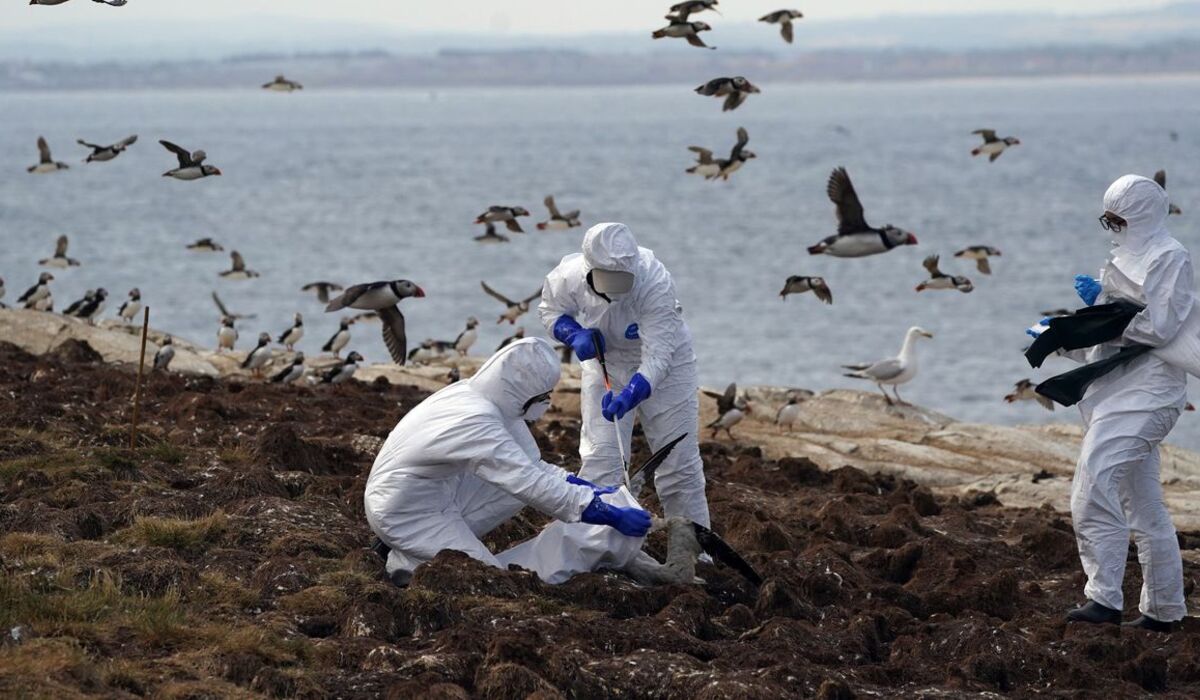

Despite the two confirmed cases, Australia’s formal trading status as free of highly pathogenic avian influenza in poultry remains unchanged, since both detections were limited to wild, migratory seabirds rather than farmed animals. Authorities say they will continue intensive testing of seabird populations in the Esperance region in the coming weeks to establish whether the virus is circulating more widely or whether these two cases represent contained, isolated introductions from migratory birds arriving from the sub-Antarctic. For now, officials are urging calm but vigilance among Australian citizens.