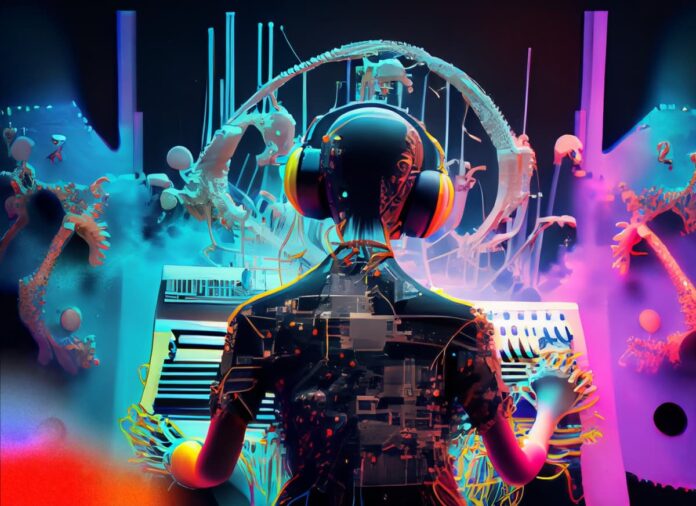
Artificial intelligence is beginning to reshape Sierra Leone’s music industry, creating exciting opportunities for artists while also raising important concerns about creativity, ownership, and copyright protection.
As AI-powered music tools become more advanced, musicians, producers, legal experts, and technology professionals are weighing the benefits against the potential risks. While many believe the technology can improve music production, others worry it could threaten artistic identity and the value of original human creativity.
The growing conversation reflects a broader global debate about how artificial intelligence should be used in the creative industries.
One of Sierra Leone’s respected music producers, Joseph Koroma, popularly known as Nashito Kulala, believes artificial intelligence should be viewed as a tool that supports artists rather than replaces them.
Having spent more than 20 years producing some of the country’s most successful songs, Koroma says AI has the potential to speed up music production, improve sound quality, and help artists develop new ideas more efficiently.
However, he insists that technology should never take the place of the human creativity that gives music its emotional connection and originality.
According to him, artists should remain fully involved in every stage of the creative process, using AI only as an assistant rather than allowing it to become the creator.
Artists Raise Concerns About Identity and Authenticity
Despite the opportunities AI offers, not everyone in Sierra Leone’s music industry is embracing the technology without reservations.
Singer and songwriter Tracy Jac-During believes AI-generated voices present a serious challenge to artists.
She argues that an artist’s voice is much more than a sound. It represents personal experiences, cultural identity, emotion, and years of artistic development.
For many musicians, the possibility of AI recreating or imitating their voices without permission raises concerns about authenticity and the future of original artistic expression.
As AI technology becomes increasingly capable of producing realistic vocals, many artists fear audiences could struggle to distinguish between genuine performances and computer-generated ones.
The rapid growth of AI-generated music has also sparked legal discussions around copyright and intellectual property rights.
Experts continue to debate who should own music created with artificial intelligence and whether artists deserve compensation when AI systems reproduce or imitate their voices or performances.
These questions have become increasingly important as AI tools are trained using large amounts of existing music and vocal recordings.
Many countries are still working to develop laws that address the challenges created by artificial intelligence in the entertainment industry.
According to Africanews correspondent Eric Kawa, many musicians are not opposed to artificial intelligence itself.
Instead, their main concern is ensuring that their intellectual property remains protected and that they receive fair compensation whenever their work contributes to AI-generated content.
Artists are calling for clearer regulations that balance technological innovation with the protection of creators’ rights.
Many believe strong copyright laws will become increasingly important as AI continues to evolve.
Technology Experts Encourage Responsible AI Use
Some technology professionals argue that artists should embrace artificial intelligence as part of the future of music.
AI practitioner Theodore Rogers believes musicians can use the technology responsibly to expand their audiences, improve productivity, and create new opportunities within the entertainment industry.
Rather than viewing AI as a threat, he believes artists can use it to complement their existing skills while maintaining control over their creative work.
Supporters of AI argue that, when used ethically, the technology can help independent musicians compete more effectively in today’s digital music market.
Human Creativity Remains at the Heart of Music
Despite the rapid advancement of artificial intelligence, many listeners still believe music’s greatest strength lies in genuine human emotion.
Radio presenter Saraphina Hannah Turay says the emotional connection between artists and audiences comes from real-life experiences that machines cannot fully recreate.
Her view reflects the opinions of many music lovers who appreciate the authenticity, passion, and storytelling that human performers bring to every song.
As AI continues to influence the entertainment industry, Sierra Leone’s music community is searching for the right balance between embracing innovation and protecting the originality that defines artistic expression.
The ongoing discussion demonstrates that while artificial intelligence may transform how music is created, many believe the heart of great music will always remain human.