Michigan health officials confirmed this week that a Roscommon County resident has tested positive for eastern equine encephalitis, marking the first human EEE case reported in the state since 2021.
The Michigan Department of Health and Human Services announced the diagnosis on Wednesday, describing EEE as one of the most dangerous mosquito-borne illnesses in the United States. The department stated that the infection was locally acquired, meaning the patient was almost certainly bitten by an infected mosquito within Michigan, rather than while traveling. Officials have not released further details about the patient’s identity, age, or current condition, citing standard privacy protections for individual case reports.
Dr. Natasha Bagdasarian, MDHHS chief medical executive, said the case serves as a reminder that even rare viral threats warrant serious attention. “It is vital that Michigan residents take precautions against mosquito bites, as mosquitoes can carry diseases that can have devastating health effects,” Bagdasarian said in the department’s announcement. She noted that EEE carries a fatality rate of roughly 30 percent among people who become seriously ill, a figure far higher than that of more familiar mosquito-borne illnesses such as West Nile virus.
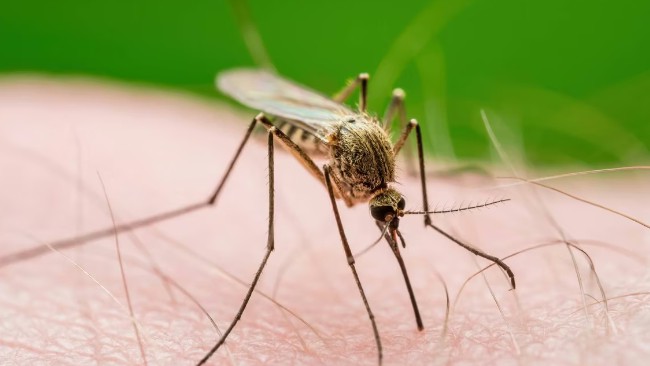
EEE is transmitted exclusively through the bite of an infected mosquito and cannot be spread through casual contact between people or animals. According to MDHHS, no animal cases of EEE had been detected anywhere in Michigan before this human diagnosis, a notable shift from prior years when horses in counties such as Benzie, Van Buren and Mecosta tested positive ahead of any human infections. State and local health departments are now working alongside the Michigan Department of Agriculture and Rural Development and the Michigan Department of Natural Resources to expand mosquito trapping and testing in Roscommon County, in an effort to determine how widely EEE may be circulating in the area.
Symptoms of EEE typically begin with fever, headache, chills and nausea, appearing four to ten days after a bite from an infected mosquito. In more severe cases, the illness can progress to encephalitis, or inflammation of the brain, producing disorientation, seizures and coma. Children under 15 and adults over 50 face the highest risk of severe disease. There is no vaccine or specific antiviral treatment for EEE in humans; care is limited to supportive treatment such as fluids and management of symptoms in a hospital setting.
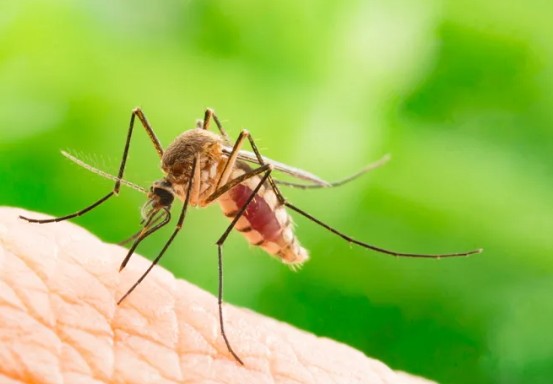
Health officials are urging residents statewide, not just in Roscommon County, to take precautions as mosquito season continues into the fall. Recommended steps include using EPA-registered insect repellents containing DEET, picaridin, IR3535 or oil of lemon eucalyptus; wearing long sleeves and pants during dusk and dawn hours when mosquitoes are most active; ensuring window and door screens are free of tears; and eliminating standing water around homes, since containers such as old tires, buckets and unused wading pools serve as prime mosquito breeding grounds.
Michigan saw its worst EEE outbreak in decades in 2019, when the virus sickened ten people and killed six, alongside dozens of confirmed animal cases. That outbreak prompted aerial mosquito spraying across parts of the state. This year’s case, while isolated so far, has renewed calls from public health officials for residents to stay vigilant against EEE and other mosquito-borne threats as testing continues in the weeks ahead.
This article was produced by the Maple Epoch Editorial Team. See our editorial standards and AI-use disclosure and editorial policy.