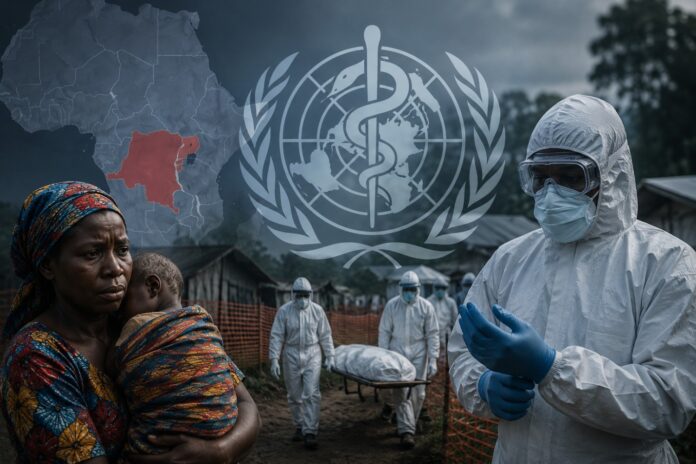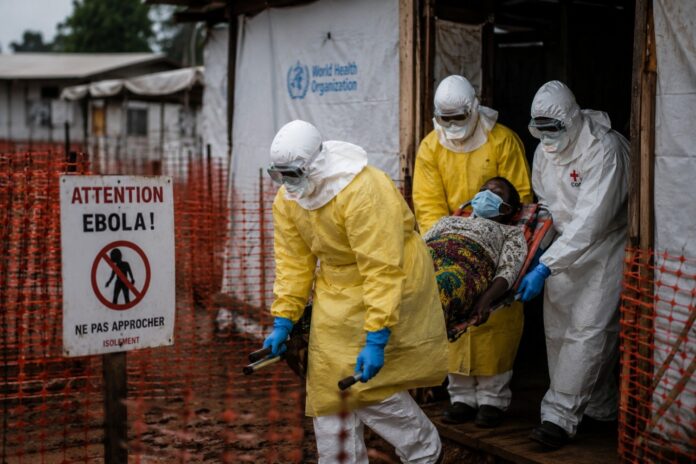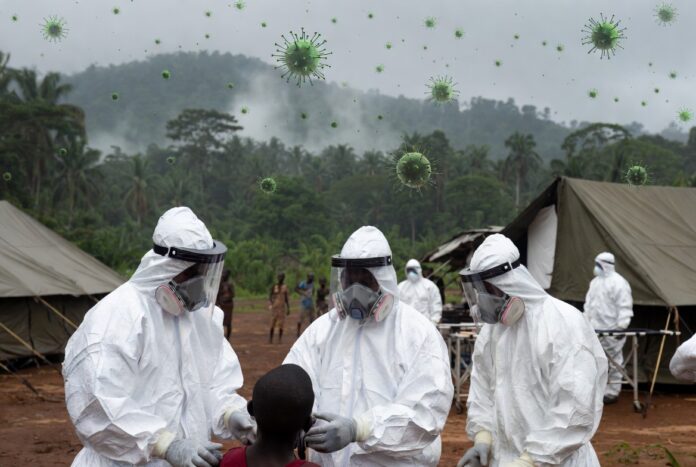
A senior World Health Organization official said this week that the Ebola outbreak sweeping through the Democratic Republic of Congo could still be brought under control within three months, even as the epidemic continues to outrun containment efforts on the ground. The assessment, delivered as the crisis edges closer to becoming the second-deadliest Ebola event on record, offered a note of cautious optimism amid mounting concern that the disease is spreading faster than health workers can respond.
Thierno Balde, the WHO’s incident manager for the response, told reporters gathered in Geneva that he remains hopeful about the timeline first outlined by the agency earlier this month, provided the necessary funding and staffing materialize. “About the next plan for the three months, yes, if you have the necessary resources, I think it will be possible to do that,” Balde said, speaking from Bunia in Ituri province, one of the areas hardest hit by the outbreak.
Since the WHO first floated the three-month projection, however, the situation has deteriorated rather than improved. The Ebola outbreak has now spread to a sixth province in Congo, complicating an already stretched response and raising fears that the virus is establishing footholds faster than surveillance teams can track them. Officials say the outbreak, the worst of 17 that Congo has experienced, has so far killed at least 2,325 people.
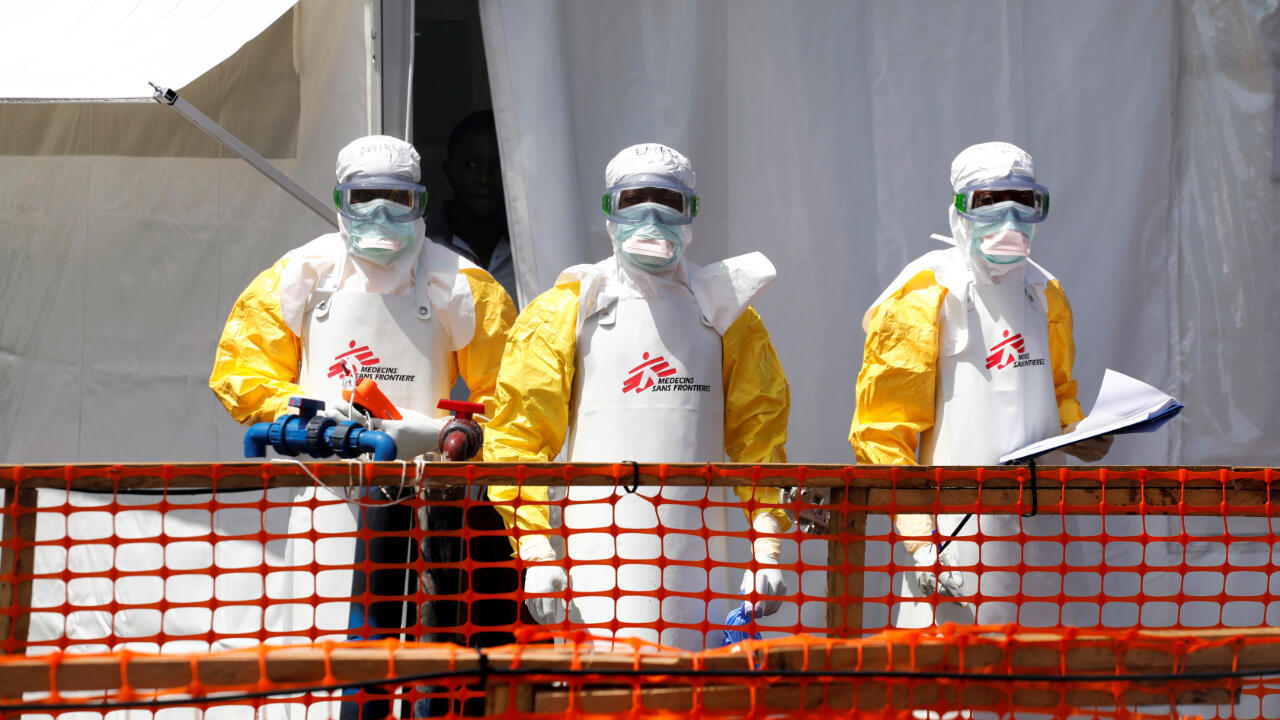
Money remains one of the central obstacles. The WHO has raised only around 60 percent of the $115 million it says is needed to fund the Ebola response, leaving gaps in everything from personal protective equipment to the deployment of additional epidemiologists. Balde acknowledged that the shortfall was hampering efforts even as teams work to expand treatment capacity, noting that roughly 400 additional beds have been added over the past two weeks and that more contact tracers are being sent into affected communities.
“The situation is quite difficult, but people are working here day and night trying to control this outbreak,” Balde told journalists, underscoring the strain on health workers who have been battling the disease for months under difficult conditions, including armed conflict in parts of the affected region.
Other public health specialists were less optimistic about how quickly the outbreak might be contained. Dr. Wessam Mankoula, head of emergency preparedness and response at the Africa Centres for Disease Control and Prevention, said investigators still do not have a full picture of how far the virus has spread. He noted that between 70 and 80 percent of new Ebola cases have no known link to previously confirmed patients, a sign that transmission chains are going undetected in multiple communities. “We are far from discovering the magnitude of this outbreak,” Mankoula said, adding that he did not expect the crisis to be resolved “in a few weeks or even months.”
Compounding the challenge is the particular strain responsible for this outbreak, the rare Bundibugyo species of the Ebola virus, for which there are currently no approved vaccines or targeted treatments. That has left responders relying largely on traditional containment measures such as case isolation, contact tracing and community engagement, tools that become far less effective when detection is delayed or surveillance teams are overwhelmed, as has reportedly been the case in several affected areas.
The World Health Organization’s Emergency Committee was scheduled to meet this week to review the Ebola outbreak, which was declared a public health emergency of international concern on May 17. The committee will decide whether to extend that designation and issue fresh recommendations to countries on how to curb the spread of the disease across the region.
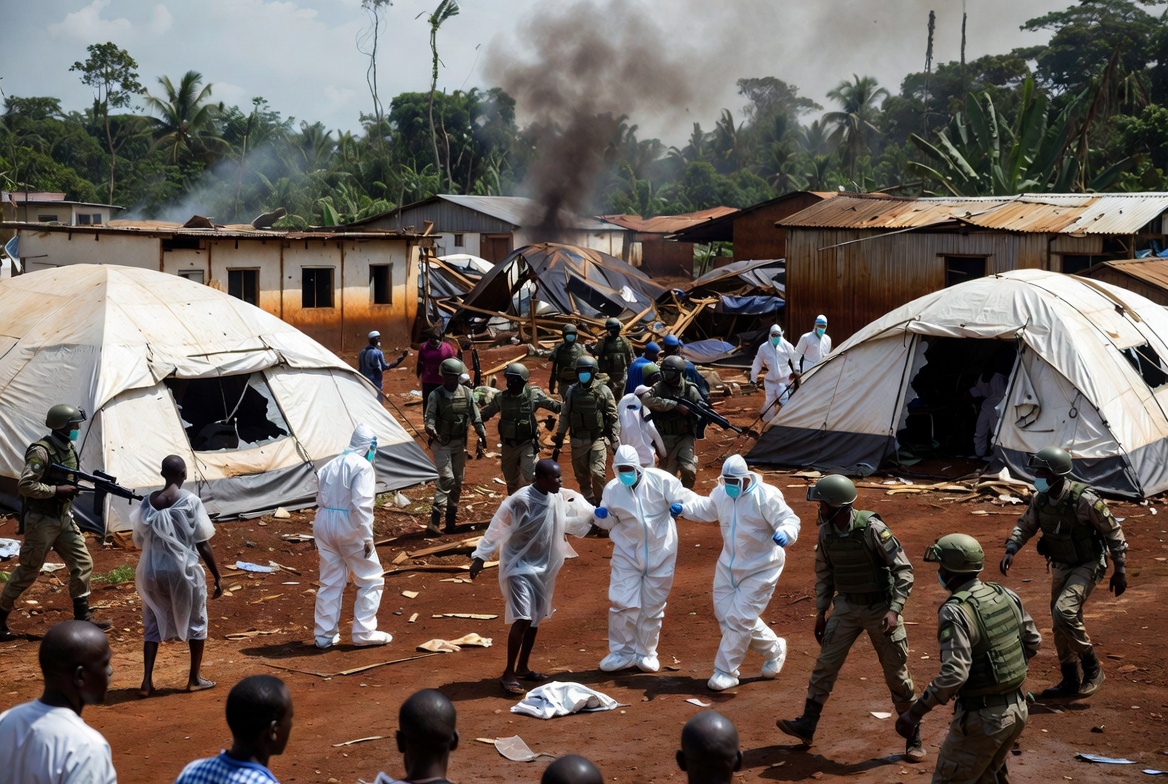
For now, health officials say the coming weeks will be decisive. Whether the Ebola outbreak can genuinely be brought under control within the three-month window laid out by the WHO will likely hinge on how quickly donor funding arrives, how effectively surveillance can be scaled up in newly affected provinces, and whether armed conflict in parts of Congo continues to obstruct access for response teams racing against a disease that shows little sign of slowing on its own.
Related: Ebola Death Toll in DR Congo Surges to at Least 930 as Outbreak Continues Spread
This article was produced by the Maple Epoch Editorial Team. See our editorial standards and AI-use disclosure and editorial policy.