Governments across major economies are facing growing pressure from rising public debt and higher borrowing costs, with international organizations warning that prolonged fiscal strain could weaken growth and increase risks to public finances.
Global public debt reached nearly 94 percent of world GDP in 2025 and is projected to approach 100 percent by 2029, according to recent international financial assessments. Advanced economies continue carrying the largest debt burdens, while several developing nations also face increasing refinancing challenges.
The United States remains the world’s largest debtor, with national debt nearing $39 trillion and debt-to-GDP levels around 126 percent. Japan continues to hold the highest debt ratio among major economies at more than 200 percent of GDP, while China’s debt burden has expanded sharply due to rising local government obligations.
European economies including Italy and France also remain above 110 percent debt-to-GDP levels as governments continue balancing economic support measures with slowing growth.
“High debt is not just a number on a balance sheet. It constrains choices for governments when new shocks arrive,” Rodrigo Valdés, director of the IMF Fiscal Affairs Department, said in April 2026.
Economists say rising interest rates have increased pressure on public finances after years of low-cost borrowing during the pandemic era. Governments refinancing debt at higher rates are now spending larger portions of their budgets on interest payments.
In the United States, debt servicing costs are projected to rival defense spending in some fiscal forecasts. Lower-income countries face even greater risks as debt repayments consume larger shares of national budgets.
Several factors have contributed to the global debt increase, including pandemic-era stimulus spending, higher defense budgets, aging populations, energy market disruptions, and slower economic growth.
Geopolitical tensions in 2026, including instability in the Strait of Hormuz and broader Middle East conflicts, have also increased fiscal pressure through energy subsidies, military expenditures, and market volatility.
Analysts warn that persistently weak growth could worsen debt burdens if government revenues fail to keep pace with spending obligations.
“The window for orderly fiscal adjustment is narrowing,” a senior IMF official said during an April 2026 Fiscal Monitor briefing.
Despite growing concerns, investors have largely continued purchasing government bonds from advanced economies, reflecting confidence in major financial systems. Economists caution, however, that market sentiment could shift if deficits continue rising without credible long-term fiscal plans.
International organizations including the IMF and OECD have urged governments to strengthen fiscal discipline while protecting growth-focused investments in infrastructure, education, and innovation.
Experts also recommend gradual spending reforms, broader tax bases, and stronger fiscal oversight institutions to improve long-term sustainability without triggering severe economic slowdowns.
“Fiscal sustainability requires credible plans, not just short-term fixes,” the OECD said in its 2026 Global Debt Report.
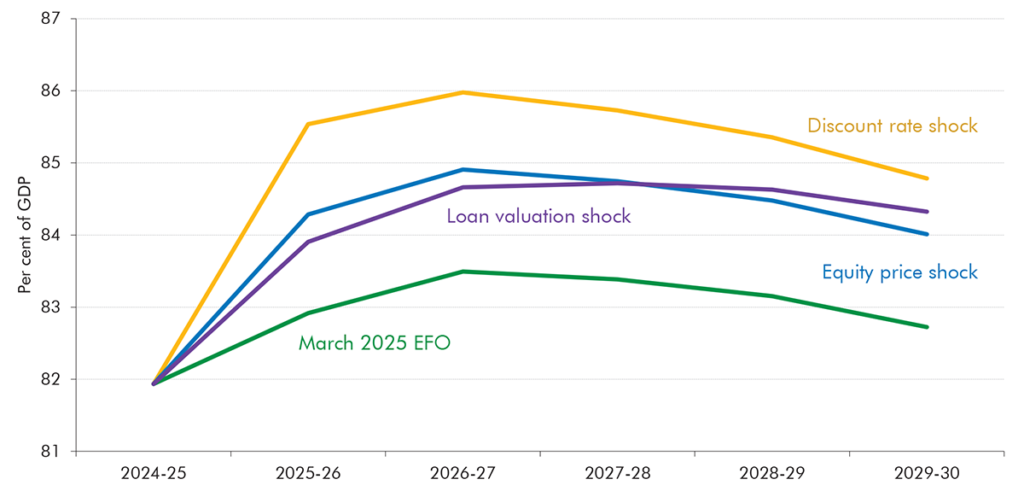
Debt pressures remain especially severe for developing countries, where higher global borrowing costs and stronger dollar conditions continue straining budgets and limiting development spending.
Policymakers are expected to face increasing pressure in the coming years as governments attempt to balance economic growth, social spending, and rising debt obligations amid continued global uncertainty.