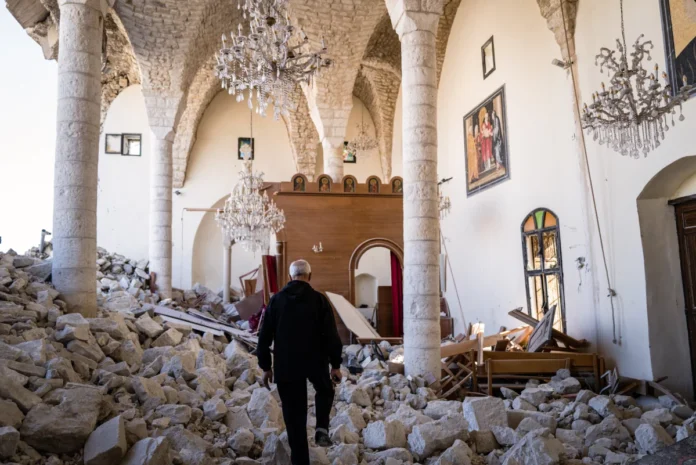
A rocket attack attributed to Hezbollah has damaged a 1,500 year old church in northern Israel, according to Israeli authorities, as cross border fire between the militant group and Israeli forces continues to affect civilian areas and historic sites.
The church, located in the Galilee region near the border with Lebanon, is believed to date back to the Byzantine era, making it roughly 1,500 years old. Officials said the site sustained structural damage after a rocket struck nearby, sending debris into parts of the building.
Hezbollah, the Iran backed militant group based in Lebanon, has been engaged in near daily exchanges of fire with Israeli forces since the start of the Gaza war. The group says its attacks are in support of Palestinians, while Israel has responded with airstrikes and artillery fire targeting Hezbollah positions.
Damage to a historic site
Israeli authorities said the church had long been considered an important historical and religious landmark, reflecting the region’s early Christian heritage. Initial assessments indicated damage to parts of the structure, though the full extent was still being evaluated.
Images released by local officials showed broken stonework and debris scattered around the site. No casualties were immediately reported in connection with the strike.
Archaeologists and heritage officials have warned that continued fighting near border areas risks damaging irreplaceable cultural and religious sites. Northern Israel and southern Lebanon are home to numerous ancient ruins, churches, and archaeological locations dating back thousands of years.
Escalating cross border tensions
The incident comes amid escalating tensions along the Israel Lebanon border, where exchanges of fire have intensified in recent months. Hezbollah has launched rockets and drones into northern Israel, while Israeli forces have carried out retaliatory strikes.
Israeli officials have repeatedly accused Hezbollah of targeting civilian areas, while the group has said it is focusing on military positions. However, the proximity of towns and historic sites to the border has increased the risk of unintended damage.
The broader conflict has raised concerns about a wider regional escalation involving multiple actors, including Iran and allied groups.
Cultural heritage at risk
Experts say that conflicts in the Middle East have frequently led to damage or destruction of cultural heritage sites, either directly from strikes or indirectly through neglect and instability.
The damage to the church highlights the vulnerability of ancient sites located in conflict zones. 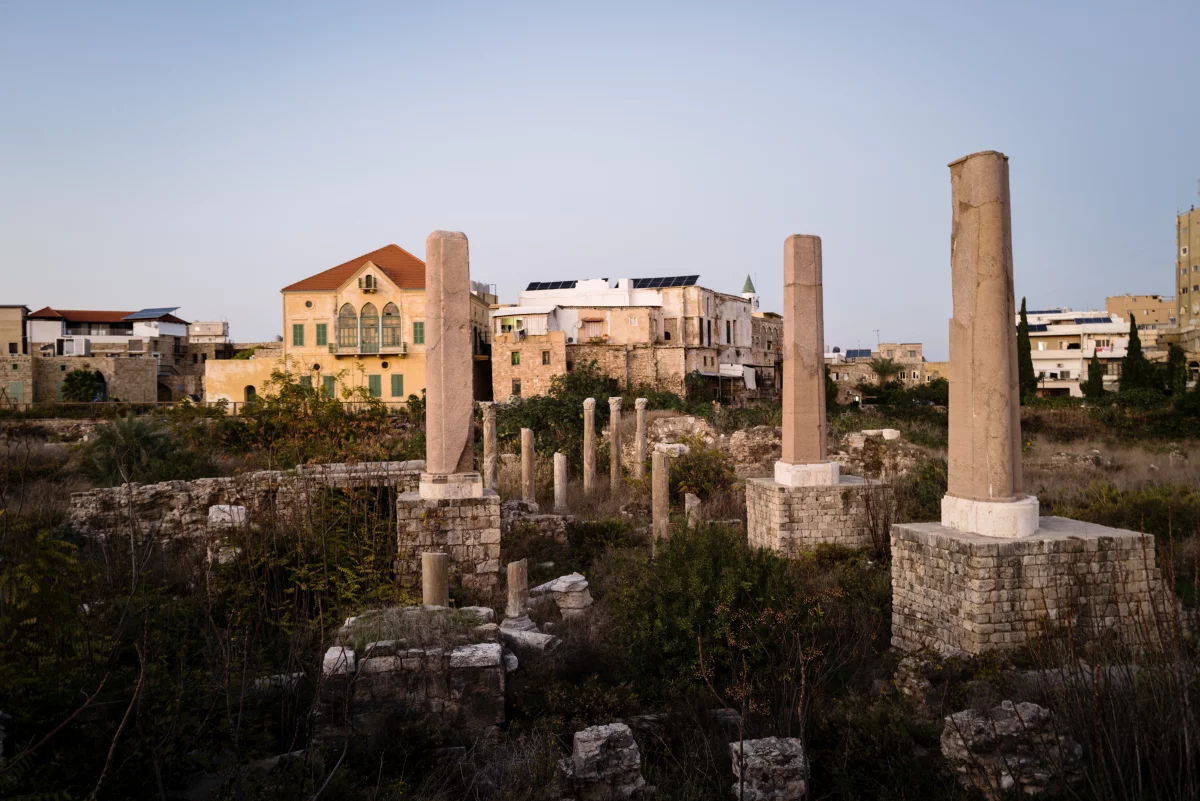 Preservation efforts are often complicated by ongoing security risks, limiting access for restoration teams and archaeologists.
Authorities in Israel said they would assess the damage and consider steps to protect the site from further harm, as fighting in the region shows little sign of easing.