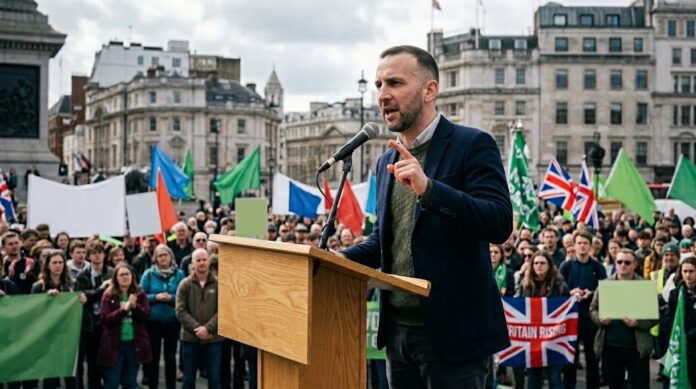
Green Party leader Zack Polanski has insisted that people in public service “should not be above scrutiny” after apologising for sharing a social media post that criticised police officers involved in the arrest of the suspect in the Golders Green terror attack.
While acknowledging that social media was not the appropriate place to comment on the incident, Polanski said he remained concerned about the officers’ actions and argued that any use of force must remain proportionate, regardless of the circumstances.
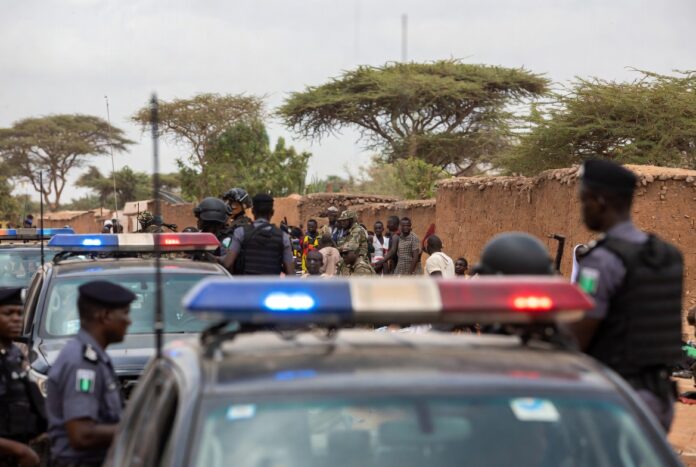
The controversy began after Polanski reposted a message on X accusing officers of “repeatedly and violently kicking a mentally ill man in the head when he was already incapacitated by Taser” during the arrest.
His comments triggered widespread criticism, including from Metropolitan Police Commissioner Sir Mark Rowley, who accused the Green leader of amplifying “inaccurate and misinformed commentary” in a public letter released by the force.
Asked whether he believed officers had acted excessively, Polanski said he remained troubled by the footage he had seen.
“I was very concerned by what I saw and I remain concerned,” he said.
The London Assembly member explained that his apology was not a withdrawal of those concerns but an acknowledgement that social media was the wrong forum for discussing them. He also questioned whether Sir Mark’s public response had been the appropriate channel for the debate.
Polanski confirmed that he had requested a meeting with the commissioner to discuss the incident further.
Political Criticism
His remarks quickly prompted renewed criticism from political opponents.
Communities Secretary Steve Reed said it was “shameful” that Polanski continued to question the officers’ conduct after issuing an apology.
“Polanski’s apology clearly means nothing given he continues to denigrate the actions of our brave police officers,” Reed said.
Max Wilkinson, the Liberal Democrats’ home affairs spokesperson, argued that Polanski’s latest comments demonstrated that he was not truly apologising for the views he had shared online.
The dispute comes amid heightened political tensions following Wednesday’s attack in Golders Green, where two Jewish men, Shloime Rand and Moshe Shine, were stabbed and seriously injured.
Terror Charges Following Golders Green Attack
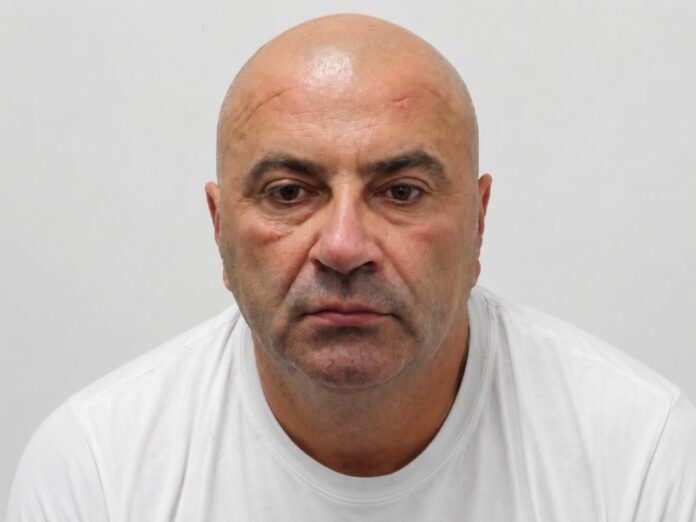
The suspect, Essa Suleiman, 45, has been charged with three counts of attempted murder.
Prosecutors allege Suleiman attacked Rand and Shine in Golders Green before carrying out a separate knife attack against Ishmail Hussein in Southwark earlier the same day. Hussein is reported to have known Suleiman for approximately two decades.
Police formally declared the Golders Green attack a terrorist incident.
The two victims injured in Golders Green have since been discharged from hospital after receiving treatment for serious injuries.
Debate Over Protest Slogans
The attack has also intensified debate over pro-Palestinian demonstrations and the slogan “globalise the intifada”.
Prime Minister Keir Starmer called for police to prosecute individuals chanting the phrase during protests, describing it as an example of “extreme racism”.
Polanski disagreed with the prime minister’s position. While saying he would discourage use of the slogan, he argued that he was “not interested in trying to police people’s language”.
“I think it’s important that we make sure that we have freedom of speech in this country and freedom of protest,” he said.
Polanski, who is Jewish, described himself as both pro-Palestinian and committed to Jewish safety.
“There’s no conflict in those positions,” he added.
Transport Secretary Heidi Alexander said the government was not considering an outright ban on demonstrations but would take appropriate measures to address concerns around public safety and antisemitism.
Meanwhile, Kemi Badenoch called for a moratorium on pro-Palestinian marches, arguing that they were helping to create a climate that normalises hostility toward Jewish communities.
Asked whether use of the phrase “globalise the intifada” should be criminalised, Badenoch said she would support the prime minister’s position but had not examined the specific legal implications.
The term “intifada” became widely known during the Palestinian uprising against Israeli occupation that began in 1987.
Jewish organisations have argued that the phrase is widely understood as a call for violence against Jews, while many pro-Palestinian groups contend it represents resistance to Israeli policies and occupation.
Last year, both the Metropolitan Police and Greater Manchester Police announced a tougher approach to the slogan following an attack on a Jewish festival in Australia, warning that individuals using it during demonstrations could face arrest depending on the circumstances.
Not all political parties support tighter restrictions.
Lisa Smart rejected calls to ban demonstrations, arguing instead for effective policing of marches. Similarly, Shirley-Anne Somerville said protest and free speech rights must be respected, while noting that laws already exist to address incitement and hate speech.
As debate continues over policing, protest rights and public rhetoric, the fallout from the Golders Green attack remains a flashpoint in British politics.