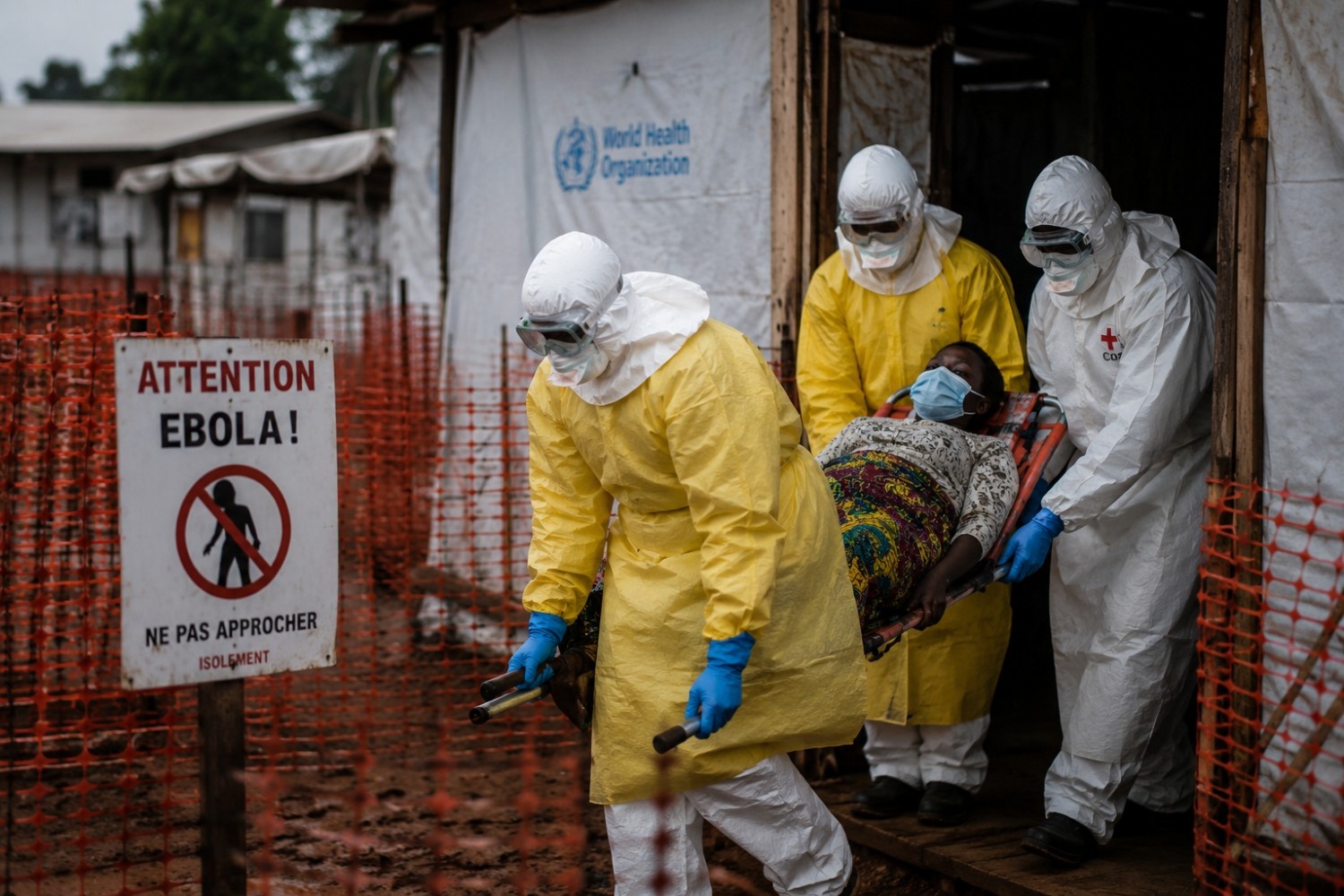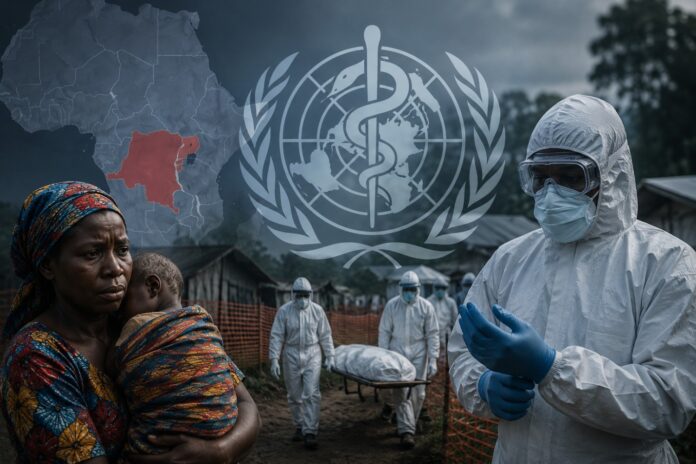
The World Health Organization has declared the Ebola outbreak in the Democratic Republic of the Congo and Uganda a public health emergency of international concern after at least 80 deaths were linked to the disease.
The WHO said the outbreak, caused by the Bundibugyo strain of the Ebola virus, does not yet meet the criteria for a pandemic emergency but warned there is a high risk of further regional spread, particularly to countries sharing land borders with the DRC.
According to the U.N. health agency, 80 suspected deaths, eight laboratory-confirmed cases and 246 suspected cases had been reported as of Saturday in Ituri province in eastern Congo. Cases have been identified across at least three health zones, including Bunia, Rwampara and Mongbwalu.
One confirmed case was also reported in the eastern Congolese city of Goma, according to a statement from M23 rebels operating in the region.
U.S. media reports citing unnamed aid organization sources said at least six Americans in the DRC had been exposed to the virus, with three exposures considered high risk. One American was reportedly showing symptoms, while the U.S. government was said to be arranging possible evacuations to a military facility in Germany.
Satish Pillai, Ebola response incident manager at the Centers for Disease Control and Prevention, declined to confirm whether any Americans were infected but stressed during a briefing that the risk to the United States remains low.
The CDC said it has activated its emergency response center and plans to deploy additional personnel to its offices in the DRC and Uganda.
Meanwhile, the U.S. Embassy in the DRC issued a health alert reminding Americans that the State Department advises against travel to Ituri province, warning that the U.S. government has “extremely limited” ability to provide emergency assistance in the area.
The WHO described the outbreak as “extraordinary” because there are currently no approved therapeutics or vaccines specifically targeting the Bundibugyo strain, unlike the more common Ebola-Zaire strain responsible for most previous outbreaks.
The DRC has experienced 17 Ebola outbreaks since the virus was first identified there in 1976. Health officials warned the latest outbreak could be significantly larger than current figures suggest due to a high positivity rate in early samples and the rising number of suspected infections.
In Kampala, Ugandan authorities confirmed two apparently unrelated Ebola cases, including one death, involving people who had recently traveled from the DRC.
The WHO said a previously reported case in Kinshasa later tested negative following secondary testing.
The agency urged countries to strengthen border screening and emergency response systems but advised against closing borders or imposing trade restrictions, warning that such measures could drive people toward unmonitored crossings.
The WHO also recommended immediate isolation of confirmed cases, daily monitoring of contacts and restrictions on travel for anyone exposed to the virus for at least 21 days after contact.
Jean Kaseya, director general of the Africa Centres for Disease Control and Prevention, said he had requested technical guidance on whether the outbreak should also be declared a continental public health emergency.