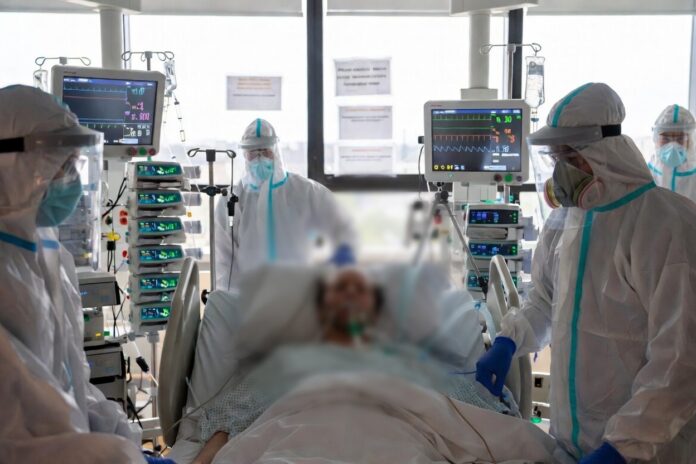
A French woman infected in the rare and deadly hantavirus outbreak linked to the cruise ship MV Hondius is in critical condition and is being treated at a hospital in Paris with an artificial lung, according to a doctor caring for her.
The outbreak has now reached 11 reported cases, with 9 confirmed. Three people have died, including a Dutch couple who investigators believe were the first exposed during travel in South America before boarding the vessel.
At Bichat Hospital in Paris, infectious disease specialist Dr Xavier Lescure said the French patient is suffering from a severe form of the disease that has caused life threatening complications affecting both the lungs and the heart.
He said the patient is being supported with a device that circulates blood outside the body, adds oxygen, and then returns it to the bloodstream. The goal is to reduce strain on the heart and lungs while giving the body time to recover. Lescure described it as the most advanced level of supportive treatment currently available.
Medical experts note that hantavirus infections can escalate quickly in severe cases, particularly when they lead to a condition known as hantavirus cardiopulmonary syndrome, which can cause rapid respiratory failure.
Cruise Evacuation Completed
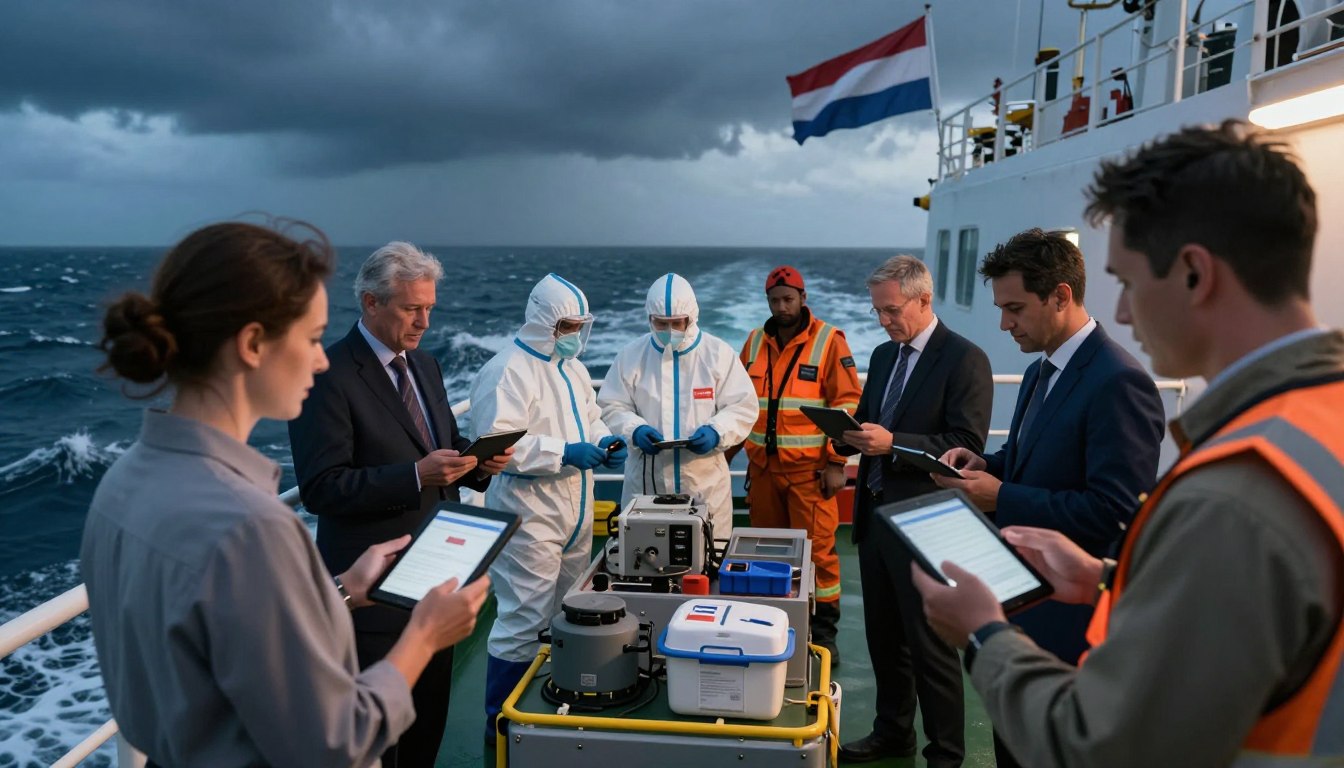
The outbreak is the first known hantavirus cluster on a cruise ship. All passengers and most crew members from the MV Hondius have now been evacuated following a coordinated international operation.
The World Health Organization said confirmed and suspected infections have only been identified among passengers and crew from the ship. WHO Director General Tedros Adhanom Ghebreyesus said there is currently no evidence of wider community spread.
“At the moment, there is no sign that we are seeing the start of a larger outbreak,” he said, while cautioning that the situation could still evolve because hantavirus has a long incubation period. He added that additional cases could still emerge in the coming weeks.
A Spanish passenger who had been quarantined at a military hospital in Madrid has also tested positive after evacuation, according to Spain’s health ministry.
In total, 87 passengers and 35 crew members were transported off the ship in Tenerife by emergency teams wearing full protective gear and breathing masks. The operation was completed after a carefully coordinated evacuation process.
Repatriation flights later carried Dutch nationals, as well as passengers from Australia and New Zealand and crew members from the Philippines, to the Netherlands, where they were placed in quarantine. Some crew members remained aboard the vessel as it sailed toward Rotterdam for cleaning and full disinfection.
Origin and Quarantine Measures in Europe
Health authorities in Argentina are sending a team of scientific experts to investigate the possible origin of the outbreak. The decision follows reports that a Dutch couple who later died had spent months traveling in Argentina and nearby countries before boarding the cruise.
Officials have suggested the couple may have been exposed during a bird watching tour that included a stop near a waste site where rodents carrying hantavirus are known to be present. Argentine authorities are now examining multiple locations visited by the couple, although regional officials have disputed whether the infection originated there.
Hantavirus is typically spread through contact with rodent droppings or urine and is not easily transmitted between humans. However, the specific strain linked to this outbreak, the Andes virus, is believed in rare cases to allow human to human transmission, which has raised concern among health officials.
Symptoms usually appear within one to eight weeks and can include fever, chills, and muscle pain. There is no specific cure or vaccine, but the World Health Organization says early detection and supportive care can significantly improve survival chances.
As a precaution, WHO Director General Tedros has advised that returning passengers should complete quarantine for up to 42 days, although enforcement depends on individual countries.
In the Netherlands, health authorities also confirmed that 12 hospital staff members are now in preventive quarantine after being exposed to bodily fluids from a patient who had been evacuated from the ship. The hospital said the risk of infection is considered low, but stricter handling procedures were not followed in that case, prompting the precautionary isolation.