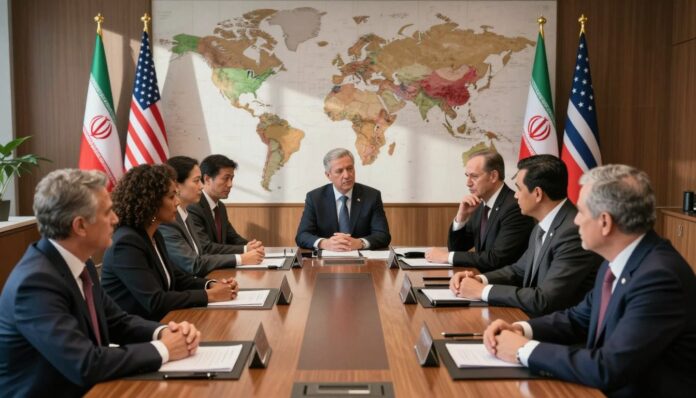
The peace in April 2026 didn’t last long. Now, the world is full of uncertainty. A critical breakdown of the peace deal has happened. This has raised fears of a big conflict in the Middle East.
The main problem is a big difference in how both sides see the agreement. Washington and Tehran signed it, but they have very different ideas about following it. This disagreement has made things very unstable, making the US vs. Iran situation even more tense.
We’ve looked at all the important information to understand what’s happening. We want to find out why the peace deal failed. Our goal is to help everyone understand the situation better and what it might mean for the future.
The April 7 Breach: A Timeline of Events
To understand the April 7 breach, we must examine the events that broke the two-week truce. This period aimed to stop 40 days of intense military actions. But, the lack of a clear ceasefire agreement led to quick tensions on the ground.
Initial Reports of the Ceasefire Violation
The first trouble signs came when Iran said an unauthorized drone flew near their border. These claims made the already fragile diplomatic situation worse. Both sides had trouble understanding the ceasefire terms.
The lack of clear communication made things worse. Without a common understanding, small incidents were seen as big provocations by both sides.
Sequence of Military Engagements
After the first reports, things got worse with direct military actions in many areas. The fighting got more intense, mainly in Lebanon.
Our study shows this was not just one event. It was a quick chain of reactions. As forces clashed, the tensions grew, ending the brief calm.
The start of strikes meant the high-stakes environment was back. Strategic coordination failed, leaving the area open to a bigger conflict. Neither side seemed ready to stop it.
Analyzing the US vs. Iran Diplomatic Fallout
After the recent ceasefire breach, talks between the US and Iran have stopped. This silence is a big problem that could ruin years of hard work in their relationship. It shows a breakdown in the systems meant to stop things from getting worse.
Breakdown of Communication Channels
Failed back-channel talks have left both countries without a clear way to talk things out. Trust has evaporated, making it hard to know if someone is just showing off or really getting ready for war. Without these secret talks, the chance of a big mistake happening gets bigger with each minute.
The lack of talking is the most worrying thing that has happened. Both sides now use public statements, which often miss the fine details needed to calm things down. This change has really hurt diplomatic relations, leaving little room for the quiet talks that used to keep things stable.
Official Statements from the White House and Tehran
Public words from both sides have made things worse, not better. In Washington, officials say they want someone to be held accountable. Tehran says it’s just defending itself against outside pressure. These different views make it hard for either side to give in.
The story of US vs. Iran is now all about tough talk for home audiences. By focusing on what looks good in public, both sides have lost some of their ability to make deals. This has made it even harder to fix their diplomatic relations and bring peace back to the region.
Military Posture and Strategic Shifts
Strategic plans have changed quickly as both sides adjust their military actions due to new instability. We see a big change in how regional powers use force and protect their borders. This change is a big move away from the calm times before.
Deployment of Naval Assets in the Persian Gulf
The United States has boosted its naval presence to stop more aggression. By moving carrier strike groups, we aim to keep the Strait of Hormuz open. Maintaining control over these waters is key for our strategists.
But Iran keeps using smart tactics to challenge us. They use fast boats and coastal missiles, making it hard for us to stay ahead. These military actions show they know our limits in tight spaces.
Changes in Defensive Readiness Levels
Regional players are getting ready for possible war by raising their defense levels. We’ve seen many countries put their energy sites on high alert. This shows they don’t trust talks to solve problems.
Our analysis shows that tactical mistakes have made it hard to find a lasting peace. The situation now needs a quick and smart response to avoid more trouble. We must stay alert as these military actions change the Middle East’s security picture.
The Collapse of the Nuclear Deal Framework
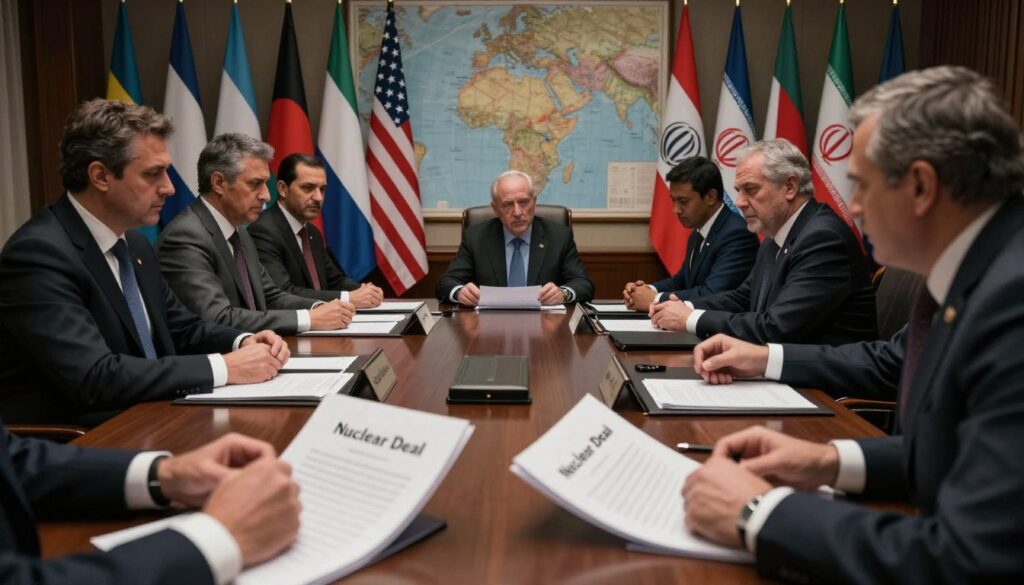
The biggest obstacle to peace is the disagreement over the nuclear deal. This issue comes from different views on enrichment and security. These differences are deep and hard to bridge.
The situation is very fragile. Trust has almost disappeared. Both sides are stuck in their ways, making it hard to go back to the old deal.
Status of Monitoring Protocols
International checks have hit a roadblock. The push for more control over enrichment by Tehran and strict limits by the US are at odds. This makes the nuclear deal less effective.
These checks were key to the nuclear deal. But now, without real-time data and access, it’s hard to know what’s happening.
Implications for Regional Proliferation
The deal’s collapse poses big risks for the Middle East. If the nuclear deal stays broken, we might see more countries trying to get nuclear weapons.
Neighboring countries are worried. Without a solid agreement, the region could become very unstable. This could last for many years.
Regional Reactions and Middle East Geopolitics
We are seeing big changes in Middle East geopolitics as countries react to new military actions. The breakdown of the ceasefire has made everyone rethink their security plans. This is because the area is getting more unstable by the day.
Perspectives from Gulf Cooperation Council Members
Gulf Cooperation Council (GCC) members are caught in the middle of the conflict. They are focusing on strategic autonomy to keep their interests safe. This means they want to have more control over their own security.
These states are also looking to expand their diplomatic relations. They want to not rely too much on any one country. This is a way to protect themselves from future problems.
Gulf leaders are searching for new security alliances. They want to stay independent while dealing with the current crisis. This is a big change for them.
Shifting Alliances in the Levant
The Levant is seeing big changes in its alliances. Traditional power structures are under a lot of pressure. Now, countries are looking for new ways to defend themselves.
They are investing in the Ukrainian defense industry. This is a big change for them. They want to use new technology to get better at defending themselves. This move shows they are moving away from old security systems.
These new diplomatic relations are changing the security landscape in the region. It’s a big shift for everyone involved.
Economic Impacts and New Sanctions Regimes
The collapse of the April 7 agreement has shaken the world’s finances. It has led to a quick change in how we see global economic stability. The uncertainty is making it hard for investors and leaders to make decisions.
Market Volatility and Energy Prices
When the news of the ceasefire violation came out, markets reacted fast. Energy prices jumped up because of worries about supply problems in the Persian Gulf. Energy security is a big worry for the U.S. and its friends.

Iran is using its control over key sea routes to hurt global markets. This has caused big swings in oil prices. Market participants are getting ready for more trouble as the risk of political problems keeps going up.
Expansion of Targeted Financial Restrictions
The U.S. is getting ready to introduce tough sanctions because of the crisis. These sanctions will try to cut off parts of Iran’s economy from the world’s money system. We think these targeted financial restrictions will hit groups involved in the military actions.
Putting these new sanctions in place is a key way to apply pressure without going to war. By making it hard for Iran to get money from abroad, the world hopes to stop more violence. We’re watching how these sanctions will change the economy in the area over the next few months.
Intelligence Assessments of the Violation
We are studying the latest reports to find out who broke the April 7 agreement. Our teams are combining data from different sources to see how it affects Middle East geopolitics. We are looking closely at the tactics and communication during the incident.
Attribution of the Breach
The breach was not random but a planned action. We see a move towards hybrid warfare tactics to avoid traditional military weaknesses. The goal is to use proxy networks to hide their identity and destabilize the region.
Our analysts say these proxy groups are now part of Iran’s strategic plans. This makes it harder to figure out who was behind it. We are trying to find out who gave the order for these actions.
Evidence of Escalatory Intent
We also see signs of a long-term plan to escalate. There’s a growing risk of cyberattacks against critical infrastructure in the United States. These digital attacks are seen as a way to retaliate without traditional military means.
Also, the chance of lone-wolf actors being used is a big worry for us. We are watching Iran’s internal debates to see if they plan to escalate more. Knowing these plans is key to understanding Middle East geopolitics and stopping a bigger conflict.
International Mediation Efforts and Global Security
We are at a key moment where international mediation is key to prevent a bigger conflict. The region’s stability depends on how well these international relations are managed during this tense time.
United Nations Security Council Deliberations
The United Nations Security Council is facing big challenges as it tries to create a binding resolution. Finding a solution that both Washington and Tehran agree on is a daunting task for the council.
Diplomats are trying to find a balance between stopping the conflict now and keeping the region safe in the future. Without a united effort, the council might look ineffective under growing global pressure.
“True peace is not merely the absence of tension; it is the presence of justice and the willingness to engage in honest dialogue.”
Role of Neutral Third-Party Negotiators
Neutral third-party actors, like Pakistan, are trying to help bridge the gap between the two nations. They aim to create a conflict resolution plan that meets the needs of both sides.
We are watching the talks in Islamabad closely. They are a pivotal opportunity for a diplomatic win. Success could lay the groundwork for lasting peace.
Domestic Political Pressures in Washington and Tehran
Internal political pressures are making it hard for both the U.S. and Iran to find diplomatic solutions. These pressures make it tough for leaders to make deals without looking weak. As tensions grow, finding a peaceful way out is getting harder.
Congressional Response to the Crisis
In Washington, Congress is pushing the administration to be tougher. Lawmakers say a strong response is needed to protect national security. They want to add more sanctions to show strength to the world.
Public opinion polls add to the challenge. Voters are worried about the region’s stability. Legislators are acutely aware that any seeming weakness could hurt them in elections. So, the administration must find a way to meet strategic needs without losing domestic support.
Internal Policy Debates within the Iranian Leadership
In Tehran, there’s a big debate about the 10-point proposal. Hardline groups doubt any deal that might reduce their influence. They see a nuclear deal as a trap, not a chance for diplomacy.
But, some in the government want a more practical approach to ease economic troubles. They face a hard time getting heard over the call for resistance. The internal debate shows a big split between sticking to ideals and seeking economic relief through talks.
These internal issues block any move towards peace. Neither side can easily change course while their supporters demand firm stands. This stalemate keeps the crisis a major concern worldwide.
Navigating the Path Toward De-escalation
The April 7 ceasefire breach shows a fragile state of global security. The US vs. Iran situation needs a new approach to prevent more trouble.
Both countries must find a way to compromise for lasting peace. Real progress comes from honest talks and a willingness to listen. This is key to solving conflicts.
The diplomatic scene offers a chance for progress, but it’s narrow. International support is critical to stop more fighting. Clear communication is vital for all sides.
We think it’s possible to avoid all-out war with hard work. Keep an eye on diplomatic meetings for any positive steps. Your interest in these issues helps us all understand the US vs. Iran situation better.
Resolving conflicts takes time and effort. We’re committed to following these developments closely. The situation is changing, and we’ll keep you updated.