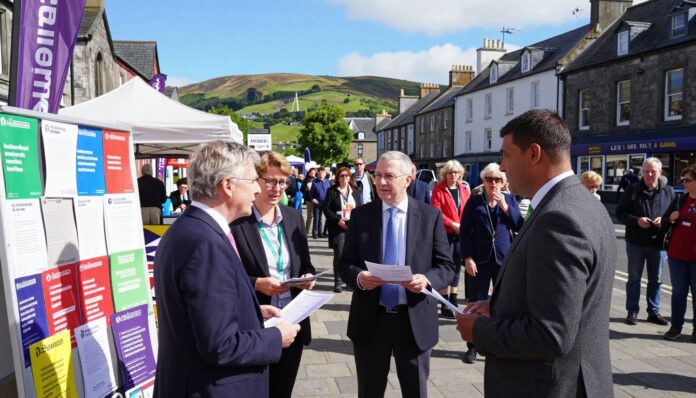
Millions of people are getting ready to vote to shape their countries’ futures. The UK Local Elections 2026 are a big deal for local rules and policies.
People all over will vote to decide their community’s path. The Scotland elections will get a lot of attention, with voters focusing on important laws. The Wales Senedd race also shows how important local power is in today’s politics.
As votes are counted, the political scene will change a lot. It’s important to understand these democratic steps for anyone watching the region’s politics. We’ll help you understand what these historic votes mean.
Key Takeaways
- Millions of voters will participate in deciding the future of their national parliaments.
- The upcoming cycle is critical for regional policy and governance.
- Public interest remains high as citizens prepare to cast their ballots.
- Results from these contests will influence the broader political climate.
- Our analysis provides a clear overview of what to expect on polling day.
The Political Landscape Ahead of the UK Local Elections 2026
Local councils are the heart of community life. They are being shaped by big national trends. As we look to 2026, the political landscape is changing a lot. These changes will affect every neighborhood in the country.
It’s important to understand these changes. They help us see how local administration works.
Current Governance in Scotland and Wales
In Scotland and Wales, local governments play a big role. They manage services that keep our towns and cities going. Effective governance at this level is key for a good quality of life.
These local authorities handle a lot of important tasks. They include:
- Providing care for older people and those with disabilities.
- Managing household rubbish collection and recycling programs.
- Overseeing local education systems and school facilities.
- Maintaining public housing and local road networks.
Key National Trends Influencing Local Ballots
The upcoming elections are linked to the wider world of UK politics. National policies affect how local councils use their budgets. This mix creates a unique situation where local needs meet national goals.
Voters are now more aware of how national decisions impact them. Whether it’s funding for roads or changes in social care, the political landscape is very sensitive. As we get closer to 2026, how local councils do their job will show what people think about UK politics.
Anticipated Shifts in Scottish Local Government
The 2026 cycle is a big moment for the Scottish Parliament. Every seat is up for grabs, making it a time of uncertainty and chance. This change could greatly affect regional government in Scotland.
The Role of the Scottish National Party
The Scottish National Party has been a big player in politics for years. They shape policy at both national and local levels. As the Scotland elections near, they face scrutiny over their long record.
Opposition Strategies and Voter Sentiment
Opposition parties are working hard to connect with voters. They focus on local issues that matter to people. They aim to challenge the current power and gain more council control.
The Impact of Economic Policy on Local Councils
Economic policy is key for regional government. Tight budgets make it hard for councils to keep services running. Voters want to know how candidates will manage money and invest in communities.
The results of these Scotland elections will show how parties handle money issues. A clear plan for the economy could sway many voters. The change in council control will show what the public wants for their future.
Wales and the Future of Devolution
Looking ahead to 2026, the Wales Senedd will grow in a big way. This change is the biggest for the legislative body in 27 years. The government wants to give more power to local people by adding 36 new representatives.
This change is more than just numbers. It’s a big update to how Wales is governed. Many residents are hopeful that a bigger assembly will mean better services and more accountability.
Labour Party Dominance and Local Challenges
The Labour Party has led Wales for a long time. This has brought stability, but also challenges. Issues like housing and healthcare are testing the party’s support.
Some say too much power can make a party lazy. As the Wales Senedd grows, the Labour Party must show it can handle more. Fixing these problems is key to keeping voters’ trust.
Emerging Political Movements in Welsh Districts
New voices are rising in Wales. These groups want to focus on local issues and community identity. Voters are increasingly looking for alternatives that put local needs first.
The changes to the Welsh Parliament will help these new groups. They aim to shake things up and bring fresh ideas to local politics. This could make Welsh politics more lively and competitive.
Key Issues Driving Voter Turnout
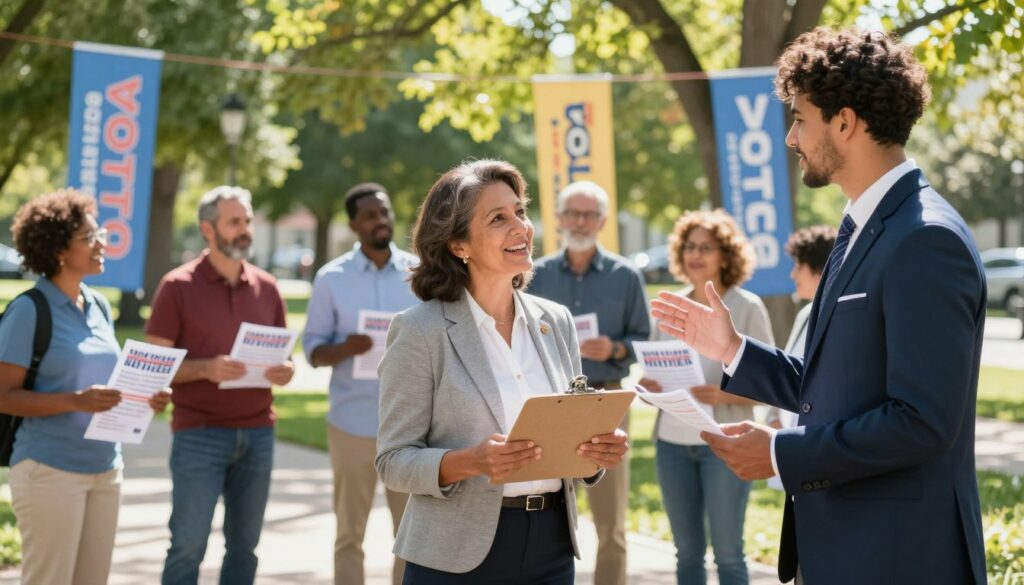
In regional politics, the issues that affect us most often decide who votes. People want to see improvements in their daily lives. This connection between personal experience and voting is key to voter turnout.
Cost of Living and Local Economic Stability
The financial crisis worries families everywhere. Many turn to their local councils for help. They want better economic management and support.
Financial security is now a personal concern. It shapes how people view their leaders.
Infrastructure and Public Service Delivery
The quality of public services shows how well a government works. People expect good waste management, roads, and transport. Poor services lead to voter anger.
Local councils must manage budgets well. They need to keep communities running. Transparency in budgeting is key to trust.
Good services make people feel connected to their government.
Housing Development and Urban Planning
Housing is a big issue in urban planning. The need for affordable homes drives voter turnout. Families want stability in their neighborhoods.
Good urban planning needs a long-term vision. It should focus on residents’ well-being. Sustainable growth shows leaders listen to their people.
Effective policies make voters feel their voices are heard.
The Influence of National Party Leadership
National leaders often have a big impact on local elections. Even though voters focus on their neighborhoods, big decisions made far away shape the political landscape.
It’s key to understand this connection for those following elections. It shows how big plans affect everyday people.
Westminster Policy Impacts on Regional Elections
The relationship between the central government and local bodies is complex. In UK politics, who gets to decide on what issues is a big deal. This affects what happens locally versus what’s handled in London.
The Scottish Parliament can make laws on most things, except for what’s reserved for Westminster. But, Westminster policy can limit or expand what local leaders can do.
When national policies change, local leaders must adjust their plans. This change affects voters during election time:
- Funding for local projects.
- National taxes and local budgets.
- Changes in rules that affect local businesses.
- Orders from the center on public services.
Leadership Approval Ratings and Local Performance
Local elections often reflect how voters feel about national leaders. If a leader in London is doing poorly, their local team in Scotland and Wales might struggle too.
High ratings for national leaders can help local candidates. But, if popularity drops, it’s hard for local leaders to keep their seats.
This situation is a delicate balance for local politicians. They need to show they’re good at their job while dealing with how their national party is seen.
For a local candidate to do well, they need to:
- Address local concerns well.
- Show their national party has a strong vision.
Demographic Changes and Voter Behavior
Demographic shifts are changing how people vote in the UK. The population is becoming more diverse and mobile. Local leaders need to adapt to these changes to keep regional government relevant.
Youth Engagement in Regional Politics
Younger voters are making their voices heard in politics. They care about long-term sustainability and fairness, not just party loyalty. This change is making candidates rethink how to engage voters under thirty.
Young activists are using digital platforms to hold local leaders accountable. They focus on affordable housing and climate action. When regional government tackles these issues, more young people vote.
Shifting Priorities in Rural Versus Urban Constituencies
Urban and rural voters have different needs. City dwellers want good public transport and internet. They expect councils to manage city life well.
Rural areas need better connectivity and local service preservation. For them, voter behavior is about healthcare and farm economy. Campaigns must be tailored to each area’s needs.
Understanding these regional differences is key to better voter turnout. By making policies that fit each area, leaders can make politics more inclusive. This way, every citizen feels heard at the polls.
Campaign Strategies and Digital Outreach
Today, winning local votes is as much about smartphone screens as it is about door-to-door visits. Political parties are always updating their campaign strategies to keep up with digital changes. They use new tech to send messages to specific groups with great accuracy.
The Evolution of Political Advertising
Political ads have changed a lot from simple posters and leaflets. Now, teams use advanced data to understand voter behavior and send ads to phones. This lets parties talk about local issues in real-time, reaching the right people at the right time.
Good digital ads have a few key things:
- Targeted social media ads that focus on local issues.
- Video content that shows a candidate’s personality and commitment to the area.
- Interactive polls that get people involved.
- Data-driven email campaigns that keep voters updated on policies.
Grassroots Organizing in the Digital Age
Digital ads are powerful, but people are at the heart of any election. Grassroots organizing now uses social media to mobilize communities. These tools help volunteers plan events, share info, and build support in different areas.
By mixing old-school door-knocking with online groups, parties can connect better with voters. This mix of methods keeps candidates seen and heard. Understanding voter behavior in today’s digital world is key to winning and truly representing the community.
Potential Electoral Outcomes and Coalition Scenarios
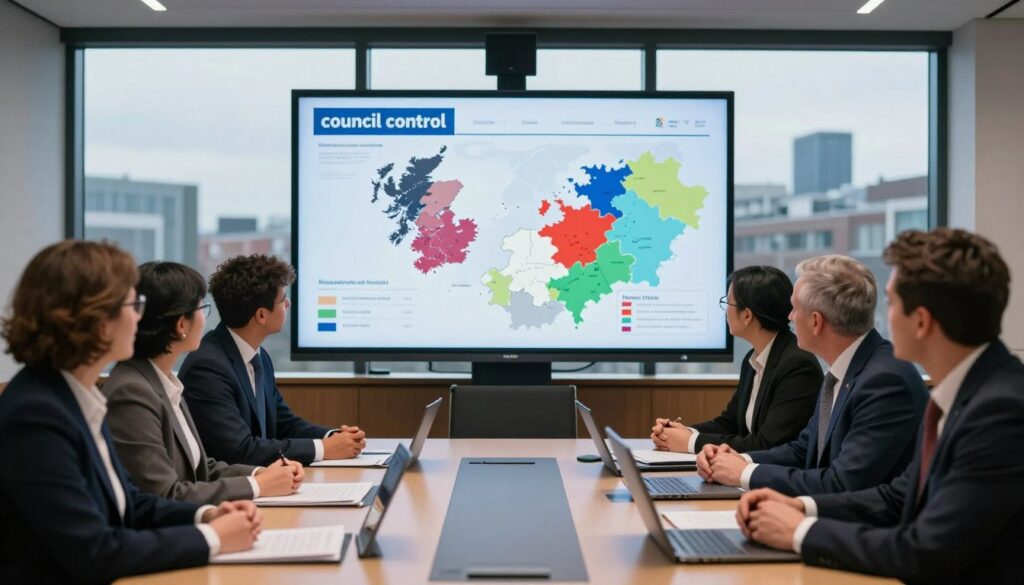
The upcoming local elections are a complex puzzle for UK political analysts. Recent history shows that the political scene is very volatile. In the last cycle, 39 councils changed council control.
Predicting Council Control and Power Dynamics
To predict seat distribution, we must look at local issues and national trends. Many districts are moving away from traditional party dominance. Local accountability is now key for voters wanting real improvements in their areas.
Smaller parties are gaining influence, forcing larger ones to rethink their strategies. Effective governance now depends on parties adapting to changing voter expectations.
The Possibility of Hung Councils
When no party gets a clear majority, hung councils become more likely. These situations lead to complex negotiations for budget and service management. Parties must form coalitions, requiring political compromise for effective administration.
The impact of Westminster policy can complicate these negotiations. The Welsh Parliament framework also plays a big role in coalition structures. The success of parties in building stable partnerships will shape the 2026 electoral landscape.
Final Thoughts on the Regional Political Horizon
The journey to the UK Local Elections 2026 is changing the political scene in Scotland and Wales. These elections are more than just about local seats. They show how people feel about national policies and local control.
Voters have a big role in shaping their communities. The results will guide how local councils run services and grow the economy. Leaders need to listen to these outcomes to stay connected with their people.
Political parties are working hard to reach out to different groups. They need to meet today’s needs while planning for the future. By staying updated, citizens can play a key part in democracy.
Watch closely as Scotland and Wales move through this political time. Your voice is important in this era. The choices made at the polls will impact everyone’s life in the region.