![Sebastian Gorka listens as President Donald Trump speaks with reporters after signing executive orders in the Oval Office of the White House, April 23, 2025, in Washington. [AP Photo/Alex Brandon]](https://www.mapleepoch.com/wp-content/uploads/2026/05/Trumps-Counterterrorism-Strategy-696x464.jpg "Trump Counterterrorism Strategy")
President Donald Trump signed a new national counterterrorism strategy on May 6, 2026, that sharply redirects U.S. resources toward drug cartels in the Western Hemisphere and certain domestic extremist groups.
The 16-page document marks a clear break from previous strategies that focused primarily on Islamist terrorism. It elevates narcoterrorism and violent left-wing networks as top priorities while maintaining pressure on traditional jihadist threats.
This shift reflects the administration’s view that threats closest to the homeland require immediate and decisive action. Officials describe the plan as “America First” counterterrorism, emphasizing protection of U.S. borders, communities, and sovereignty. Critics argue it risks politicizing national security and stretching legal definitions of terrorism.
The 2026 Strategy
The strategy identifies three primary threat categories.
Narcoterrorists and transnational criminal organizations, especially cartels operating in Mexico and Central America.
Legacy Islamist terrorist groups.
Violent secular political groups with anti-American ideologies, including anarchist and certain left-wing networks.
Sebastian Gorka, senior director for counterterrorism, briefed reporters that the plan prioritizes “incapacitating cartel operations” through military, financial, and law enforcement tools. It builds on earlier executive actions that designated major cartels as Foreign Terrorist Organizations (FTOs) starting in early 2025.
“Our new counterterrorism strategy first prioritizes the neutralization of hemispheric terror threats by incapacitating cartel operations until these groups are incapable of bringing their drugs, their members and their trafficked victims into the United States.” — Sebastian Gorka, May 6, 2026.
The document authorizes expanded use of military strikes on cartel targets, enhanced sanctions, and domestic mapping of networks. It also directs agencies to address what it calls “violent left-wing extremists,” including groups associated with Antifa and anarchist movements.
Cartels as Terrorist Organizations
The administration moved quickly after taking office in January 2025. An executive order initiated the process for designating major cartels as FTOs. By February 2025, the State Department formally listed groups including the Sinaloa Cartel, Jalisco New Generation Cartel (CJNG), Cartel del Noreste, Gulf Cartel, and others. Additional designations followed for Venezuelan Tren de Aragua and MS-13.
These designations unlock powerful tools. They prohibit material support, block financial access, and allow broader law enforcement and military options. Officials report a more than 90 percent decrease in maritime drug smuggling in some areas due to strikes on cartel vessels.
The approach treats cartels as hybrid threats that combine criminal profit motives with terrorist tactics, such as targeted killings, bombings, and intimidation of populations. Supporters say this reflects reality on the ground, where cartels control territory and kill thousands, including Americans through fentanyl trafficking.
“Terrorists of any kind will not be allowed to find safe harbor here at home or attack us from abroad.” — Excerpt from the 2026 U.S. Counterterrorism Strategy.
Challenges include potential diplomatic friction with Mexico and legal questions about using military force in sovereign territory. Mexican officials have expressed concerns about sovereignty, while cooperation on some issues continues.
Domestic Focus: Targeting Violent Extremist Groups
The strategy expands attention to domestic threats. It directs resources toward “violent secular political groups” whose ideologies are described as anti-American, anarchist, or involving radical activism. Antifa receives specific mention as a network engaged in violence and intimidation.
This builds on earlier 2025 directives that prioritized investigations into organized political violence. Joint Terrorism Task Forces now coordinate efforts to map networks, identify funding, and disrupt operations before violence occurs. The plan stresses constitutional limits while promising aggressive use of available tools.
Civil liberties groups warn that broad language could chill protected speech and protest rights. The administration insists the focus remains on violence, not ideology alone. Officials point to past incidents of property destruction, assaults on law enforcement, and organized disruptions as justification.
Implementation and Political Debates
The strategy calls for a “whole of government” response. This includes closer coordination between the Departments of Defense, Justice, Homeland Security, Treasury, and intelligence agencies. Military options against cartel infrastructure have already expanded, with reported success in disrupting supply lines.
Domestically, federal prosecutors received guidance to pursue terrorism-related charges where violence intersects with political motives. Funding shifts prioritize these threats in grant programs for state and local law enforcement.
International cooperation varies. Allies in the Western Hemisphere have joined some anti-cartel efforts, but broader diplomatic pushback exists. The plan acknowledges the need for partnerships while asserting U.S. willingness to act unilaterally when necessary.

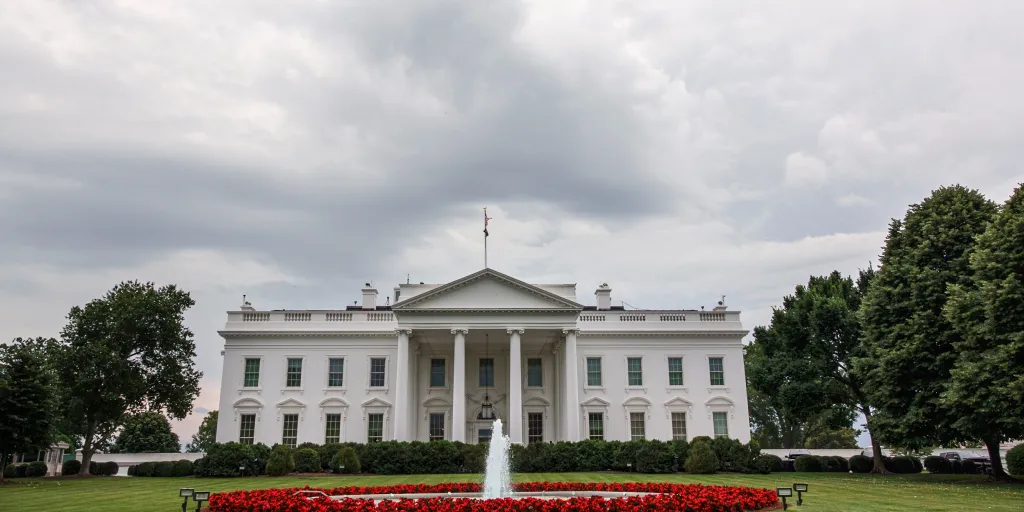
The new approach comes amid ongoing regional instability, including the Iran conflict and its effects on global energy. Supporters argue it addresses real gaps left by previous strategies that underemphasized border security and domestic extremism.
Critics from civil liberties organizations and some Democrats contend the plan politicizes counterterrorism. They worry about vague definitions that could target legitimate protest movements. Legal experts debate the limits of designating domestic groups and using counterterrorism authorities internally.
“The strategy expands the scope of U.S. national security policy to include drug cartels and domestic extremist groups alongside traditional jihadist threats.” — Analysis from national security reporting.
Public safety data shows mixed trends. Fentanyl deaths remain a major concern, though some metrics improved with stricter border measures. Incidents of political violence occur across the spectrum, complicating efforts to assign priority without bias.
Security analysts note that treating cartels as terrorists provides new leverage but carries escalation risks. Military action inside Mexico could strain relations, while domestic focus demands careful oversight to protect constitutional rights.
“This represents a fundamental reorientation. The question is whether the tools designed for foreign terrorist groups can be effectively and legally adapted to criminal networks and domestic actors.” — Senior fellow at a Washington think tank.

The strategy will likely face congressional scrutiny, court challenges, and diplomatic tests. Its success depends on measurable reductions in cartel violence and drug flows without major unintended consequences.
As implementation proceeds, the administration promises results through strength and focus. The coming months will reveal whether this expanded definition of counterterrorism delivers greater security or creates new divisions at home and abroad.