
Global temperatures are likely to remain at or near record highs over the next five years, with scientists warning that the world faces a growing risk of temporarily surpassing the critical 1.5°C warming threshold set under the Paris climate agreement.
A new forecast from the World Meteorological Organization projects an 86% chance that at least one year between 2025 and 2029 will exceed 1.5°C above pre-industrial levels. The report also estimates a 70% chance that average warming across the entire five-year period will surpass the same benchmark.
The findings underscore growing concerns among climate scientists that the window for limiting global warming is narrowing as greenhouse gas emissions continue to rise.
While a temporary breach of the 1.5°C threshold does not mean the Paris Agreement target has been permanently missed, experts say repeated exceedances increase the likelihood of more severe climate impacts.
The forecast, produced by the WMO in collaboration with the Met Office, predicts that annual global temperatures between 2025 and 2029 could range from 1.2°C to 1.9°C above the 1850–1900 average.
Scientists also project an 80% chance that at least one of the next five years will surpass 2024 as the warmest year on record.
Researchers said natural climate patterns, including the possible return of El Niño conditions, could further boost temperatures during the period. However, they emphasized that long-term warming remains primarily driven by human-caused greenhouse gas emissions.
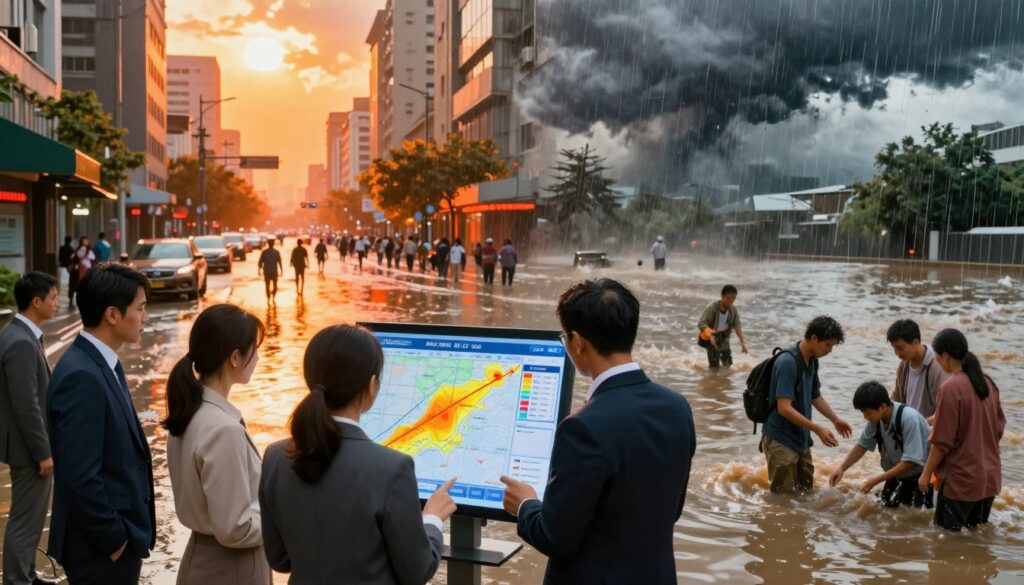
The report warns that rising temperatures are expected to intensify extreme weather events worldwide, including heatwaves, droughts, heavy rainfall, and sea-level rise.
Arctic regions are forecast to warm significantly faster than the global average, while precipitation patterns could shift across major agricultural and population centers.
Climate experts said the latest projections highlight the urgency of accelerating emissions reductions and expanding investments in renewable energy, climate adaptation, and resilient infrastructure.

Despite increasing risks, scientists noted that long-term global warming averaged over decades remains below the Paris Agreement’s 1.5°C target, leaving a narrowing opportunity for governments to limit future warming.