Recent events have shaken British governance. A big diplomatic appointment has sparked a lot of debate in UK politics. People are questioning the current government’s judgment.
Peter Mandelson is at the center of this storm. His possible role as ambassador to Washington has caused a big public outcry. Many are asking how a simple selection process turned into such a big controversy for Keir Starmer.
This situation shows the need for leaders to be transparent. As media attention grows, the government has a tough road ahead to win back public trust.
Key Takeaways
- A diplomatic appointment has evolved into a major political crisis.
- Public and media attention remains fixed on government transparency.
- The selection process for key roles is under heavy scrutiny.
- Leadership faces significant challenges in managing current perceptions.
- This event continues to shape the narrative of modern governance.
The Genesis of the Controversy
Every big political storm starts with a small, quiet decision. This decision then gets out of control. Behind the headlines is a story of rush and political pressure in the Foreign Office.
This shows how fast decisions can hurt the systems meant to keep things right.
Initial Reports and Breaking News
People first heard about the issue when rumors of an odd diplomatic appointment spread. Journalists soon picked up the story, saying the usual checks were skipped. This made everyone wonder about the Foreign Office‘s openness and how it makes decisions.
As the story grew, it was clear it was more than just a mistake. The ambassador scandal showed a big gap between the staff and leaders. People wondered if the rush was a good reason to skip important checks.
The Timeline of Events
To see how this happened, we need to look at the key moments. Here’s a timeline of when political pressure started to affect things:
- Phase 1: Talks about the empty spot were kept secret.
- Phase 2: Olly Robbins talked about the need to act fast on the diplomatic appointment.
- Phase 3: Deadlines were made tighter, cutting down on background checks.
- Phase 4: The final choice was made, leading to the ambassador scandal we see today.
This timeline shows how fast things can go wrong when rules are ignored for outside pressure. Looking at these early steps helps us understand the big problems that led to this crisis.
Understanding The Mandelson Vetting Scandal
A big controversy is brewing over security vetting in politics. It’s a major issue that affects trust in government. People are questioning how top officials are chosen.
Core Allegations Explained
Peter Mandelson’s vetting process is at the center of the storm. It’s said that a security clearance agency saw him as a risk because of his business ties. These allegations have cast a long shadow over his role in government.
Some say warnings were ignored for political reasons. This has sparked debate on whether politics trumps safety. The Mandelson Vetting Scandal shows the dangers of skipping checks.
The Specifics of the Vetting Discrepancies
There are big issues with the vetting documents. It seems important financial info was left out or not checked well. This has raised big concerns among those who watch over the government.
The agency’s failure to find these problems shows a big problem in their system. Accountability is now the central demand to figure out how this happened. Without answers, the whole process is in doubt.
Transparency Concerns
There’s a big push for government transparency but also strict rules for secret jobs. The public wants to know, but officials say it’s for national security. This makes it hard to trust the government.
Finding a balance between openness and secrecy is key for democracy. The public deserves to know that leaders are checked well. Without openness, rumors and doubts fill the gap.
Conflict of Interest Allegations
There are also worries about conflicts of interest. The Mandelson Scandal shows how personal business can mix with public duty. If not checked, it could harm the office’s fairness.
It’s critical that a security clearance is given only after a deep check. Any other way raises questions about the appointment’s reasons. The goal of government transparency is to stop such problems at the top.
Key Players and Political Stakes
A complex web of influence involves top political figures at the heart of the controversy. This has caused big tension in the Labour Party. Leaders must now deal with questions about transparency and judgment.
The Role of Peter Mandelson
Peter Mandelson is at the center of this story because of his long history in British politics. His past ties to Jeffrey Epstein have raised vetting concerns.
These connections have sparked debates on the standards for high-level appointments. Many say these ties should have led to more thorough checks during vetting.
Governmental Responses and Defenses
The Keir Starmer administration has had a hard time dealing with the backlash. They’ve tried to explain their selection process while also showing the need for more clarity.
Defensive measures include public statements saying all protocols were followed. Yet, these efforts have not convinced a skeptical public or the press.
Opposition Party Perspectives
Opposition parties see this as a chance to question the government’s decision-making. They say the Labour Party has not met the high ethical standards of public office.
This has made the environment very volatile for the administration. The debate’s ongoing impact on the government’s stability is closely watched by all sides.
The Mechanics of the Vetting Process
The recent controversy shows the weaknesses in the vetting procedures for top government jobs. These systems aim to be strong but often mix human judgment with checks. This mix can be tricky.
Standard Procedures for High-Level Appointments
A typical diplomatic appointment goes through a detailed review by the Foreign Office. Candidates face deep background checks to check their professional and personal integrity. This ensures they’re right for the job.
After the first check, the candidate gets a security clearance test. This is key to see if they can handle secret info. It’s to spot any risks before they’re officially chosen.
Where the System Failed
Even with strict rules, the system sometimes fails. In this case, it wasn’t the rules that failed but how they were applied to a famous candidate.
Communication Breakdowns
A big problem was not sharing important info with the Prime Minister’s office. Key details about the candidate were stuck in departmental silos. This lack of transparency meant the final yes was given without all the facts.
Oversight Gaps
The process also had big oversight gaps. A “borderline” candidate was cleared for a Washington diplomatic post too quickly. When the security clearance is rushed or pressured, the usual protections fail. Institutional integrity relies on reviewers speaking up without fear, but this case shows they didn’t.
Public Reaction and Media Firestorm
The ambassador scandal has sparked a huge reaction in Britain. People all over the country are demanding answers. They want transparency and accountability like never before.
Social Media Sentiment and Public Outcry
Social media is where the controversy is playing out. People are sharing news and expressing their anger about Jeffrey Epstein. This digital storm is making it hard for officials to ignore the public’s frustration.
- Viral threads detailing vetting failures.
- Widespread calls for immediate resignations.
- Increased scrutiny of historical political ties.
- Rapid dissemination of investigative news clips.
Mainstream Media Coverage Analysis
Mainstream news has kept the story alive. Journalists are using visuals to explain the scandal. This keeps the public focused on the vetting process.
The media is now analyzing the failures deeply. They’re pointing out specific issues. This makes it hard for the government to control the story.
The Impact on Voter Trust
This scandal is hurting the Labour Party‘s reputation. Many voters think the party has let them down. This has led to a big drop in public trust.
To regain trust, the government needs more than just apologies. They need real changes to prevent similar scandals. The current situation shows it won’t be easy to win back the public’s confidence.
Institutional Integrity Under the Microscope
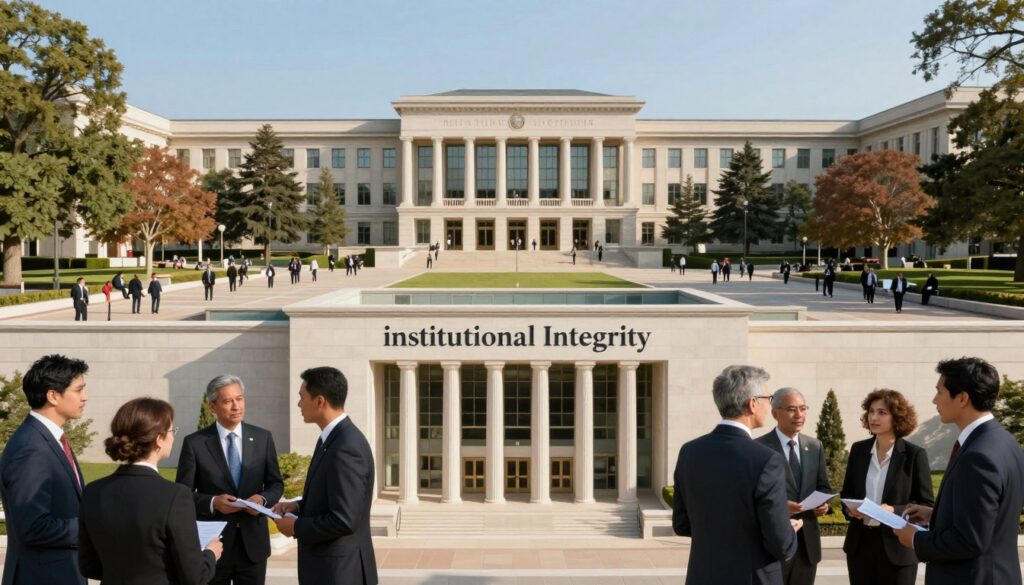
The current situation shows us that political accountability is key to a healthy society. When top officials face scrutiny, it tests the government transparency foundation. People want to see how leaders keep institutional integrity during tough times.
Calls for Independent Inquiries
Many say internal reviews are not enough for the public. There’s a push for independent inquiries to check the vetting process. Transparency is key to make sure no misconduct is missed.
Legal experts think criminal investigations might be needed to fully understand the failures. If wrongdoing is found, it could lead to serious legal actions. This oversight is important to regain trust in our governance.
The Debate Over Accountability
The main issue is if our current political accountability systems work. Critics say rules are often ignored for high-stakes jobs. This creates a big gap in government transparency that makes people feel unheard.
Fixing our democracy’s health depends on how we handle these failures. Rebuilding public trust needs more than just apologies. It requires real changes and a commitment to truth. Without clear reforms, fixing public trust might be hard in the future.
Historical Context of Political Appointments
To understand today’s events, we must look at the UK’s history of high-level appointments. The history of British governance is filled with moments where the public demanded more transparency and political accountability. By studying these past chapters, we see why today’s standards are so closely watched.
Past Scandals and Their Resolutions
Over the years, many controversies have made the government rethink its hiring methods. These incidents pushed leaders to create stronger oversight mechanisms. When a scandal happens, the government usually starts a public inquiry or reviews its protocols.
These actions are key because they set new standards for behavior. They make sure institutional integrity is a top priority, not just an afterthought. Important lessons include:
- The need for independent oversight in hiring.
- The value of clear, documented communication in the selection process.
- The power of public pressure in demanding government transparency.
- The move towards standardized background checks for top roles.
Evolution of Vetting Standards in the UK
The vetting procedures in the United Kingdom have changed a lot. Years ago, the process relied on personal networks and internal referrals. Now, it’s much more structured, but it’s not perfect.
Today’s vetting procedures aim to reduce bias and ensure candidates meet strict standards. Yet, the system is not immune to mistakes or political influence. Keeping institutional integrity means always being on guard and ready to adapt. The main goal of political accountability is to make sure every appointment benefits the public first.
International Perspectives on UK Governance
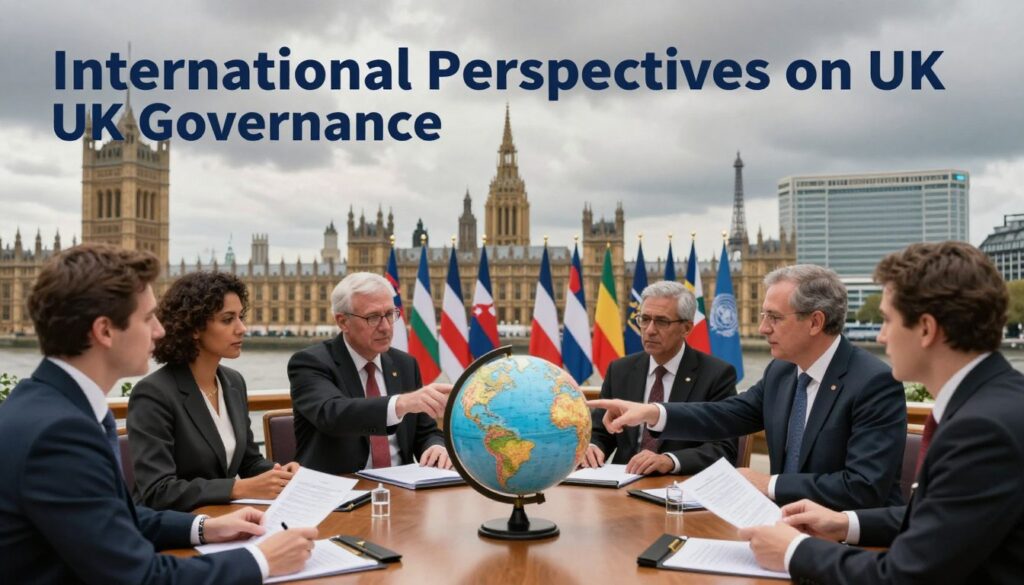
When scandals hit London, they often spread to other capitals. Global partners are watching to see if these events mean a big change in the UK’s stability.
How a nation handles its leaders shows its health. The UK, being a big player in international relations, faces questions if its vetting is weak.
How Global Observers View the Situation
Foreign diplomats are both worried and curious about the UK’s situation. They want to see if the government can fix things with clear reforms.
If the UK can’t solve its problems, it might struggle in global talks. Maintaining a strong reputation is key for countries that use soft power.
Comparisons to Political Vetting in the United States
People often compare the UK’s vetting to the US’s. The US uses Senate hearings, while the UK’s is more internal.
This difference makes the current scandal big news. American political observers say the US process, though partisan, has public checks that prevent conflicts of interest.
The world is waiting to see if the UK will improve its standards. Strengthening these protocols is essential for the UK’s role as a global leader.
The Long-Term Impact on British Politics
The fallout from this vetting controversy leaves a permanent mark on the landscape of UK politics. Citizens now demand higher standards of transparency from their leaders. This shift forces a complete reevaluation of how high-level appointments occur within the government.
The Labour Party faces a difficult road ahead as it works to restore public faith. Restoring trust requires more than just words. It demands a total overhaul of internal systems to ensure that every appointment meets strict ethical guidelines. Stronger oversight remains the only path to stabilizing the current administration.
These events also ripple outward to affect international relations. Global observers watch closely to see if the nation can maintain its reputation for stable and fair UK governance. A commitment to accountability will determine how the country is perceived on the world stage in the coming years.
This situation serves as a vital lesson for all modern democracies. Rigorous vetting protects the integrity of public institutions. We invite you to share your thoughts on how these changes might shape the future of leadership. Your perspective helps keep the conversation moving forward.