The digital world is changing fast. For years, we’ve used Passwords to keep our data safe. But, these old methods can’t keep up with today’s cyber threats.
Now, experts are moving to a safer way. They’re using Biometric checks to prove who we are. This new method doesn’t store risky data, making our digital world safer.
Personhood Credentials are a big step up in online security. They use our unique traits to confirm our identity. This means we can say goodbye to weak Passwords that hackers can easily guess.
Switching to these new standards will keep your identity safe. It will also make your online life easier. It’s time to move to a safer way of using the internet.
The Shift Away from Traditional Passwords
Security experts say the time of old passwords is ending. For years, we’ve used passwords to keep our digital lives safe. But now, we need something stronger.
The industry is moving to better ways to authenticate us. These new methods don’t rely on our memory or easy-to-guess passwords.
Old systems have big weaknesses that hackers love to use. They are easy to crack because they use the same secrets for everyone. When one database is hacked, millions of accounts can be stolen.
This makes security rules too hard for users. They often use the same password everywhere. This makes it easy for hackers to get into all our accounts.
The Rise of FIDO Alliance Standards
The FIDO Alliance is leading the fight against old security methods. They want to use new, safe ways to log in. These methods use hardware to keep our data safe.
These standards make logging in easy and safe. They help protect us from cyber threats. This change is a big step towards keeping our digital world safe.
Biometric Personhood Credentials
Modern security is changing. Now, proving you’re a real person is different from just showing your name or address. Biometric systems let users prove they’re alive without sharing personal info. This is a big step forward in managing our digital identity in today’s world.
It’s important to know that being a unique human is different from proving your legal identity. Old systems mix these up, exposing too much data. Personhood Credentials help confirm a user is real without needing personal documents.
This way, less data is shared with third parties. A system only needs to know you’re a unique person, not your full profile. This privacy-first design is key to modern security.
Decentralized Identifiers
Decentralized Identifiers are key to making this work. They let users control their data, avoiding centralized databases that can be hacked. With these tools, people can prove their identity across platforms while keeping their info private.
This setup supports self-sovereign control, where users manage their digital presence. As we use Decentralized Identifiers, we’ll rely less on easily stolen passwords. This makes digital interactions safer and more efficient.
Modern Biometrics
In today’s digital world, we need better ways to keep our personal data safe. We’re moving from old, risky methods to new, safer ones. This change helps keep our information safe from hackers.
At the heart of this new security is something called a Trusted Execution Environment (TEE). It’s a special part of the processor that keeps important stuff safe. This way, our biometric data stays protected from bad software.
This method is a big step up in fighting off cyber threats. Because the data stays on the chip, it’s safe from hackers. This is a huge win for keeping our privacy safe.
Now, we store our data on devices, not big databases. Instead of keeping actual images, we use encrypted codes. This makes it hard for hackers to get our info, even if they get into our device.
These systems use multi-signal checks to make sure it’s really us. This means our data is safe from big leaks. We can trust that our digital identity is well-protected.
Trends in the United States
A quiet revolution is changing how we manage Digital Identity in America. Both private companies and public agencies are moving to better, user-focused systems. This change shows a strong national effort to keep personal info safe in our connected world.
Top banks and credit unions in the U.S. are leading this tech change. They focus on making it easy for customers to start using their services. This is done by using biometric scanners in their apps instead of passwords.
This move cuts down on fraud and makes things easier for customers. No more remembering long passwords. Now, your face or fingerprint is your key to your account.
Government agencies are also updating their systems to keep up with new tech. They’re looking into Zero-Knowledge Proofs to check identities without sharing too much personal info. This way, people can prove who they are without giving out all their details.
Using these privacy tools, the government wants to build more trust in digital services. This strategic shift keeps identity checks accurate and safe from big data breaches. As these efforts grow, they’ll likely become the norm for how we use digital services in the U.S.
Passkeys and Biometric Verification
The days of remembering long passwords are almost over. Today, systems use advanced cryptography to keep your digital identity safe. This new approach protects you from cyber threats without the need to remember anything.
Public key cryptography is at the core of this change. Your device creates a unique pair of keys. The public key is on the server, and the private key stays with you.
When you log in, your device signs a challenge with the private key. The server can check this without seeing your password. This way, even if hackers get into the database, they won’t find your secrets.
Experience of Seamless Authentication
Using biometric verification makes logging in easy and fast. You don’t need to type or remember anything. Just a simple touch or glance confirms who you are.
These systems use multi-signal inputs to make sure it’s really you. They combine your device’s security with biometric data. This makes logging in fast, easy, and safe on all your devices.
Keeping biometric info safe is key to a reliable digital world. As we move to Personhood Credentials, strong security is essential. We must protect identity by minimizing data and keeping users anonymous.
To stop unauthorized access, we use Zero-Knowledge Proofs. These verify identity without sharing raw biometric data. Keeping data on the user’s device lowers the risk of big breaches.
This way, even if a service is hacked, the user’s biometric signature stays safe. Hardware security modules add more protection against tampering. They help keep authentication private, between the user and their device.
Frameworks and Compliance Requirements
Following strict data protection laws is a must. Laws like the California Consumer Privacy Act (CCPA) and GDPR guide us. Companies must be open about how they handle identity data to keep trust.
Being compliant is a big plus for companies using new authentication methods. Using Zero-Knowledge Proofs makes audits easier and boosts security. The success of Personhood Credentials relies on ethical data handling and strong Privacy measures.
Artificial Intelligence in Identity Verification
The fight for safe digital access now uses advanced machine learning tools. As cyber threats get smarter, Artificial Intelligence is both a strong tool for attackers and a key defense for defenders.
This means security experts must change how they check identities. With smart algorithms, companies can now spot real users from fake scripts better than ever.
Modern attackers often use fake media to get past old security checks. These deepfakes can look or sound like real people, tricking basic authentication systems.
To fight back, security tools now use AI-driven analysis to find tiny differences in videos and sounds. They look for signs that aren’t human, like odd skin or blinking patterns, which are hard to see.
By catching these signs early, the software stops bad access before it happens. This is key to keeping digital identities safe.
Old ways of logging in aren’t enough against today’s threats. Now, leaders are moving to continuous authentication that watches user actions all session long.
These systems check things like typing speed, mouse moves, and device tilt to make sure it’s really you. If something looks off, it asks for more verification.
This keeps security going even after you log in. By using Artificial Intelligence quietly in the background, companies offer a safe experience without making it hard.
Universal Adoption
Getting everyone to use personhood credentials is hard because of money and tech issues. The tech is better than old passwords, but it needs a lot of setup. Bridging these gaps is key to make digital identity for everyone, not just a few.
The digital gap is a big problem for using biometric systems fairly. Many people in the U.S. and other places can’t afford the tech needed for safe biometric data. Reliable internet is also needed, as many systems check data in real-time.
Without access to modern tech, some groups might miss out on digital services. This could lead to a society where only the tech-savvy can prove who they are. It’s up to leaders to make sure everyone can use new identity systems.
Technical issues are a big problem for using identity credentials widely. Different makers and developers use their own systems that don’t talk to each other well. Seamless interoperability is needed so users can use their identity on any device.
When systems don’t work together, they can be hacked, like in Sybil Attacks. In these attacks, bad guys make fake identities to get into systems. We need strong, standard ways to keep identities safe across all devices.
Also, using Artificial Intelligence is getting more important for managing these complex systems. AI can make different data formats work together and check identities fast, even when users switch devices. With AI, developers can make a safer, more connected digital world for everyone.
Biometric credentials are changing how companies keep their systems safe. They move away from old passwords to a stronger defense. This is key for fighting off today’s complex digital threats.
Old login methods make companies easy targets for hackers. They use stolen passwords to get into networks. But, biometric checks make these stolen passwords useless without the real person.
Also, biometrics stop Sybil Attacks where hackers make fake identities. Because biometrics are unique to each person, hackers can’t easily create many fake ones. This makes it harder for phishing attacks that try to trick employees into giving out their login info.
Biometric systems also make things easier for companies. They help with the hassle of password resets and checking identities for new employees. This makes onboarding faster and more reliable.
Employees love the easy login process that gets rid of password headaches. This frictionless approach lets them get to work tools quickly while keeping security high. It helps companies focus on growing instead of fixing login problems all the time.
Perception and Trust in Biometric Systems
The use of biometric technology is a balance between ease and privacy fears. People like quick access with a glance or touch. But, they worry about how their data is kept. Bridging this gap is key for success in modern security.
Removing complex passwords makes life easier. Yet, it raises concerns about government or company control. Users fear their unique data could be used for tracking, not just access.
To ease these worries, companies must show that privacy is a core part of these systems. When users know their data is local, the fear of being watched drops. Clear education turns doubt into trust.
Being open about data protection builds lasting user trust. Companies should explain what data they collect and what they don’t share. Talking openly about security makes users feel they control their digital identity.
When businesses focus on privacy and honesty, they create a culture of responsibility. This commitment to data protection is the base for a safe digital future. Consistent openness is the way to keep user trust in a biometric world.
Digital Sovereignty
We’re seeing a big change in how we handle our online lives. This change gives power back to us, not big data centers. By choosing user-controlled models, we make the internet safer and more private.
Self-sovereign identity lets us control our own data, not rely on others. It uses Decentralized Identifiers to keep our info safe. This way, we can share only what’s needed for a task.
This change makes big data breaches less likely. Without one big place for all our data, hackers have less to target. Empowering users to manage their own digital identity is key to true online freedom.
Decentralized systems will change the world of cybersecurity. We’ll move away from old ways of logging in. This will make the web’s security better, fighting off common threats.
In the future, Decentralized Identifiers will be the norm for safe online interactions. Companies will have to change how they check identities, without keeping our sensitive data. This is a big step toward a safer digital world for all.
The move to passwordless authentication is a big change for online safety. It uses Personhood Credentials to go beyond old, hackable passwords. This step is key to making the internet safer for everyone.
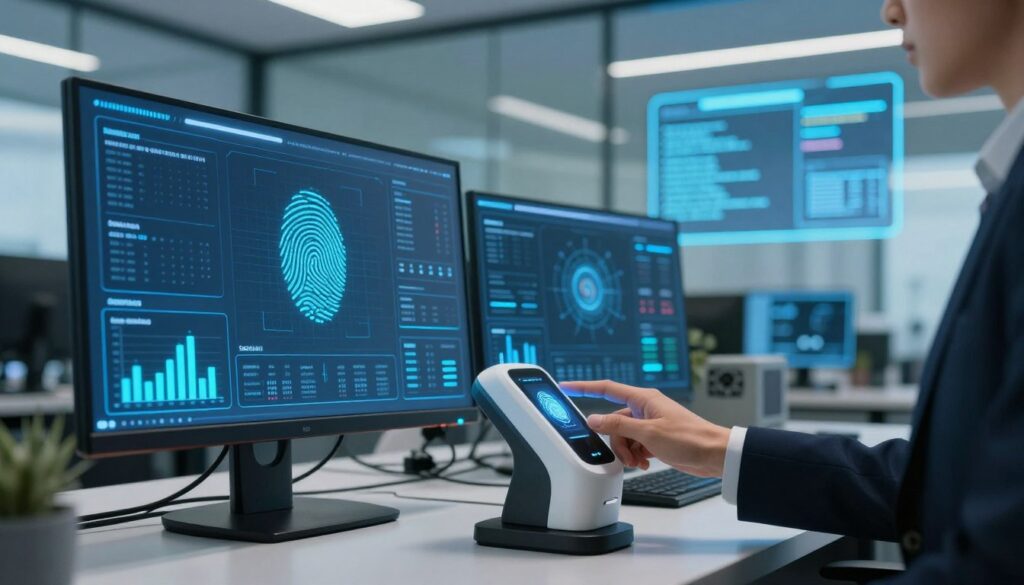
Building trust with users means focusing on privacy and design that puts people first. Using unique biological traits for identity checks makes it harder for hackers. This makes logging in easier and safer for many people.
Today’s security systems put the person first by keeping biometric data safe and encrypted. This way, personal info stays in the owner’s hands. As these technologies get better, they will set the new standard for online interactions.