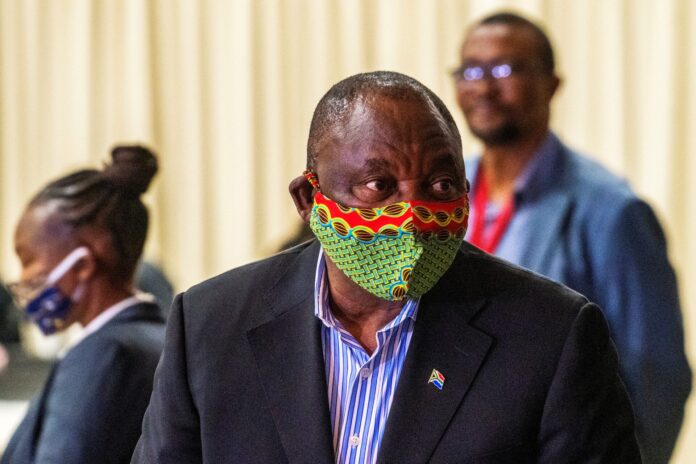
South Africa President Cyril Ramaphosa is facing a criminal investigation over allegations that he failed to properly report the theft of about $580,000 to $4 million in cash from his Phala Phala game farm in Limpopo province, a case that has triggered political turmoil and renewed scrutiny of his leadership.
The allegations stem from an affidavit submitted by former intelligence chief Arthur Fraser, who opened a criminal complaint accusing Ramaphosa of wrongdoing linked to the handling of the stolen money. The incident is said to have taken place in February 2020 while Ramaphosa was attending an African Union summit in Addis Ababa.
Criminal Complaint Raises Questions Over Reporting Of Theft
Fraser’s affidavit alleges that large sums of foreign currency were stolen from the president’s farm and that the incident was not reported to police in the required manner. Under South African law, failure to report a crime is itself a criminal offense, making the handling of the incident a central point of investigation.
Ramaphosa has not denied that the theft occurred, but he disputes allegations of criminal conduct. He has said the matter was reported to the head of his VIP protection unit, who did not escalate it to police authorities.
Opposition parties argue that this explanation is insufficient and that the president should have ensured that law enforcement was formally informed.
Opposition Parties Demand Accountability
South Africa’s main opposition party, the Democratic Alliance, has called for Ramaphosa to fully disclose the circumstances surrounding the theft, including questions about whether the cash was properly declared to tax authorities.
Party leader John Steenhuisen said the president’s position required transparency and warned against what he called procedural avoidance.
“The president is facing a crisis of credibility,” Steenhuisen said, adding that Ramaphosa must provide the public with a full account of what happened at his farm and how the matter was handled afterward.
Another opposition group, the United Democratic Movement, has gone further, calling for Ramaphosa to take a leave of absence while Parliament investigates the matter, arguing that it would be inappropriate for him to remain in office during such inquiries.
Ramaphosa Defends Himself As “A Farmer”
Ramaphosa addressed the allegations publicly for the first time shortly after they surfaced, defending his actions and insisting that the money involved came from legitimate business activities on his farm.
“I want to reaffirm that I was not involved in any criminal conduct,” he said, adding that he would cooperate fully with any investigation.
He described himself as a livestock and game farmer and said transactions on his farm involve both cash and bank transfers, claiming that the funds in question were part of normal commercial activity involving the sale of animals.
“I’m a farmer. I’m in the cattle business and the game business,” he said. “Through that business I buy and sell animals.”
Political Fallout And Internal ANC Dynamics
The scandal has unfolded at a politically sensitive moment for Ramaphosa, who has been positioning himself for reelection as leader of the ruling African National Congress ahead of its national conference.
His allies within the party have argued that the timing of the allegations is politically motivated and aimed at weakening his bid for internal party leadership.
The ANC conference has already been marked by internal competition and factional disputes, and Ramaphosa’s supporters say the controversy risks deepening divisions within the organization.
Fraser’s Role And Political Backdrop
The allegations were brought forward by Arthur Fraser, a controversial former intelligence official widely seen as aligned with former president Jacob Zuma, Ramaphosa’s political rival.
Fraser has previously been involved in other politically sensitive decisions, including approving Zuma’s release on medical parole, a move that has since been challenged in court as unlawful.
Zuma, who served as president from 2009 to 2018, was convicted for contempt of court after refusing to testify before a judicial inquiry into corruption allegations during his presidency. He remains a central figure in South Africa’s ongoing political factional battles.
Investigation Continues Amid Growing Scrutiny
The criminal investigation into Ramaphosa’s handling of the Phala Phala incident remains ongoing, with authorities examining whether there were failures in reporting, possible currency violations, and whether any tax obligations were breached.
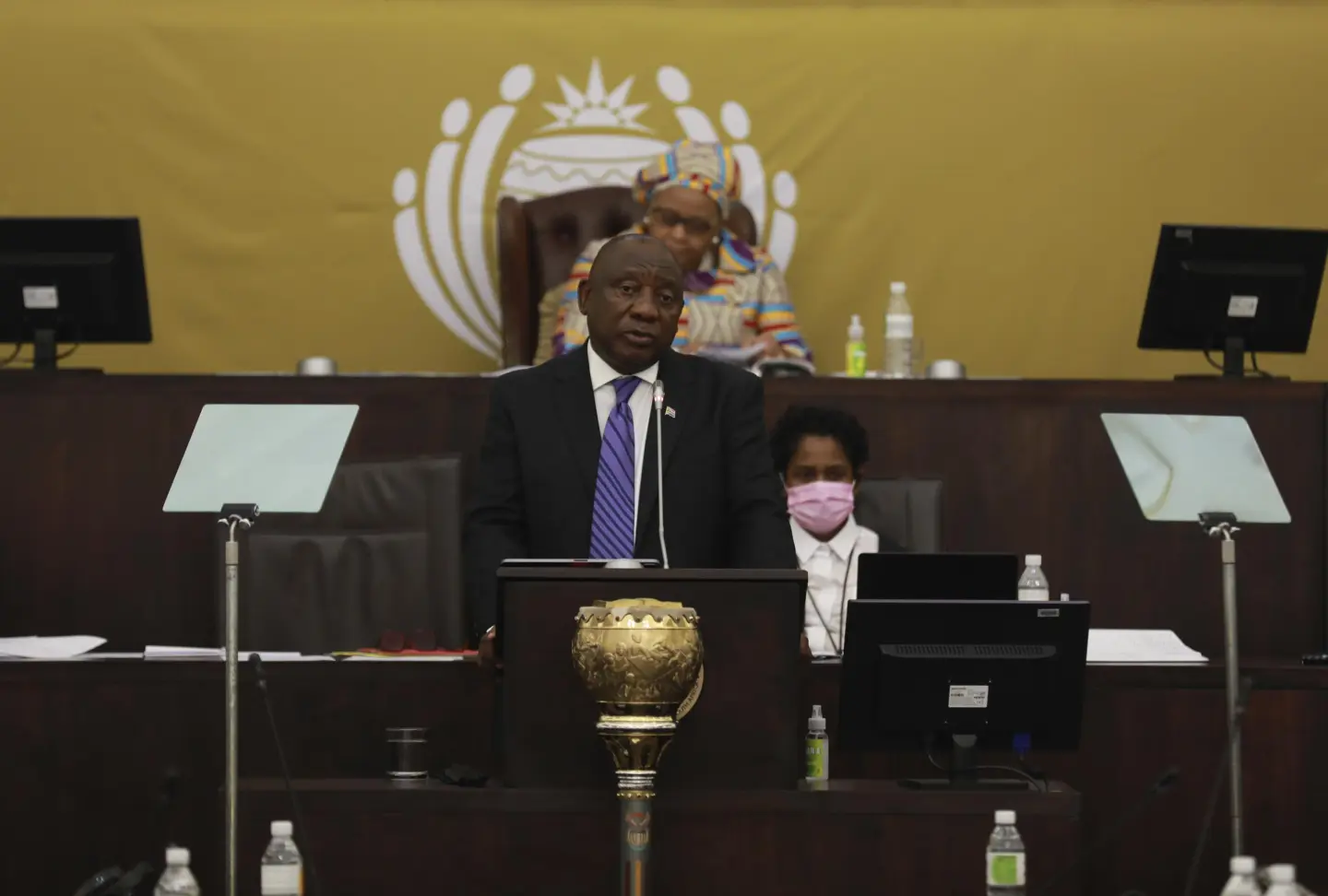

As the investigation continues, opposition parties are expected to maintain pressure for further disclosures and possible parliamentary action, keeping the scandal at the center of South Africa’s political debate.