Scientists at the University of Oxford have launched the first human trial of a vaccine designed to protect against the Bundibugyo strain of Ebola, marking a significant step in the international response to an outbreak that has killed hundreds of people in the Democratic Republic of Congo and spread into Uganda.
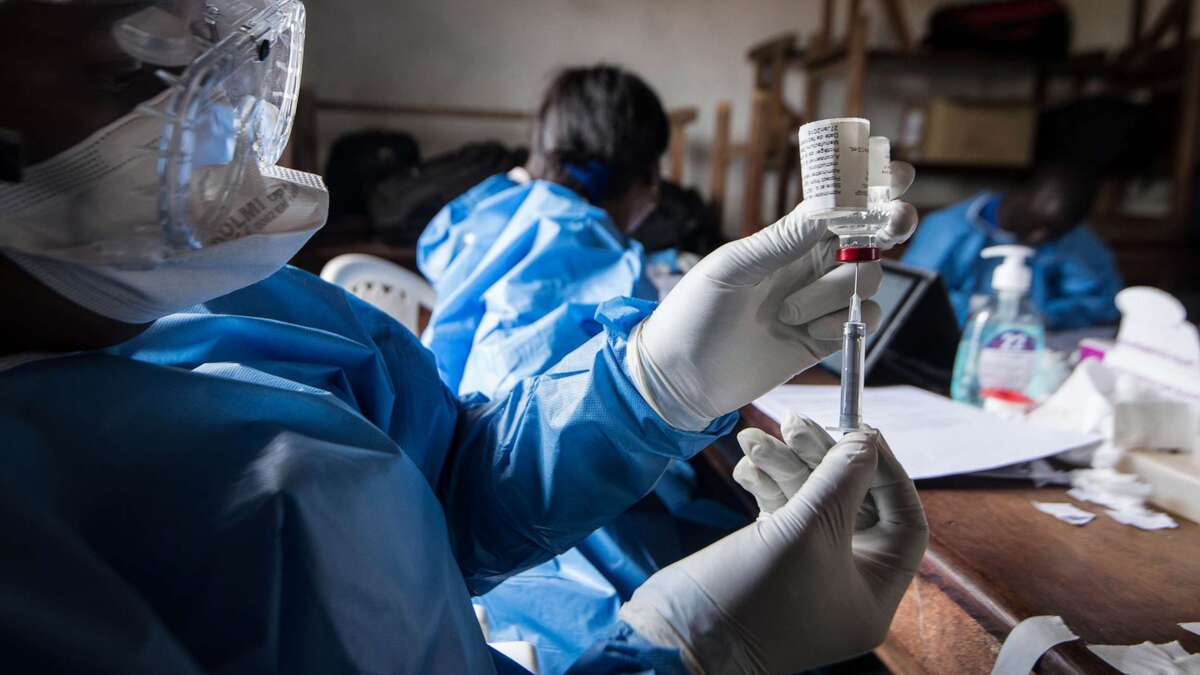
The early-stage study, known as BD-Ebov, began on Monday and will test the safety and immune response of a shot called ChAdOx1 BDBV in 50 healthy adults aged 18 to 55 in Oxford. Researchers said recruitment is already underway, with the first vaccinations expected to begin within weeks, pending regulatory clearance.
The vaccine candidate was developed by Oxford’s Vaccine Group and its Pandemic Sciences Institute, utilizing the same viral vector technology employed in the Oxford-AstraZeneca COVID-19 vaccine. Until now, no vaccine has been approved specifically for the Bundibugyo species of Ebola, which is one of four known virus types capable of causing the disease in humans. Existing shots licensed for outbreaks of Ebola were developed against the Zaire strain and are not considered effective against the version currently spreading in central Africa.
Serum Institute of India, which is manufacturing doses for the programme, said it produced and stockpiled roughly 620,000 doses of the vaccine within two weeks and has supplied 4,000 investigational doses to support the Oxford trial. The rapid turnaround reflects the urgency public health officials have placed on developing a countermeasure as the Ebola outbreak continues to grow.
In May, the World Health Organization recommended that ChAdOx1 BDBV be prioritized for clinical evaluation, alongside a separate single-dose candidate called rVSV Bundibugyo being developed by the International AIDS Vaccine Initiative. The Coalition for Epidemic Preparedness Innovations, known as CEPI, said it had committed up to $8.6 million toward the vaccine’s development. If the Oxford trial produces encouraging results, CEPI said it intends to work with the university and the Serum Institute to move quickly into larger, late-stage studies that could support an eventual emergency-use authorization.
Additional trial sites are being prepared in Uganda, subject to regulatory approval, through partnerships that include the Medical Research Council/Uganda Virus Research Institute and the London School of Hygiene and Tropical Medicine’s Uganda research unit, extending the vaccine evaluation closer to where Ebola cases have actually been recorded.
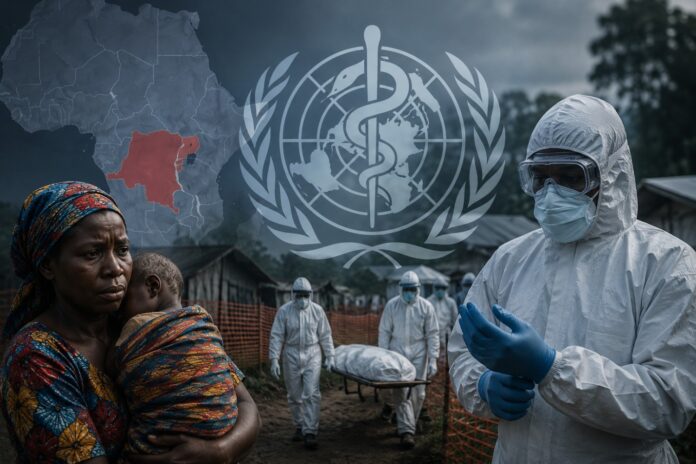
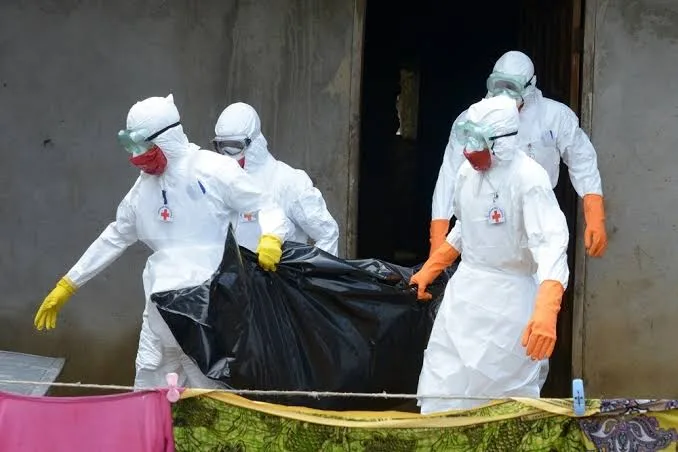
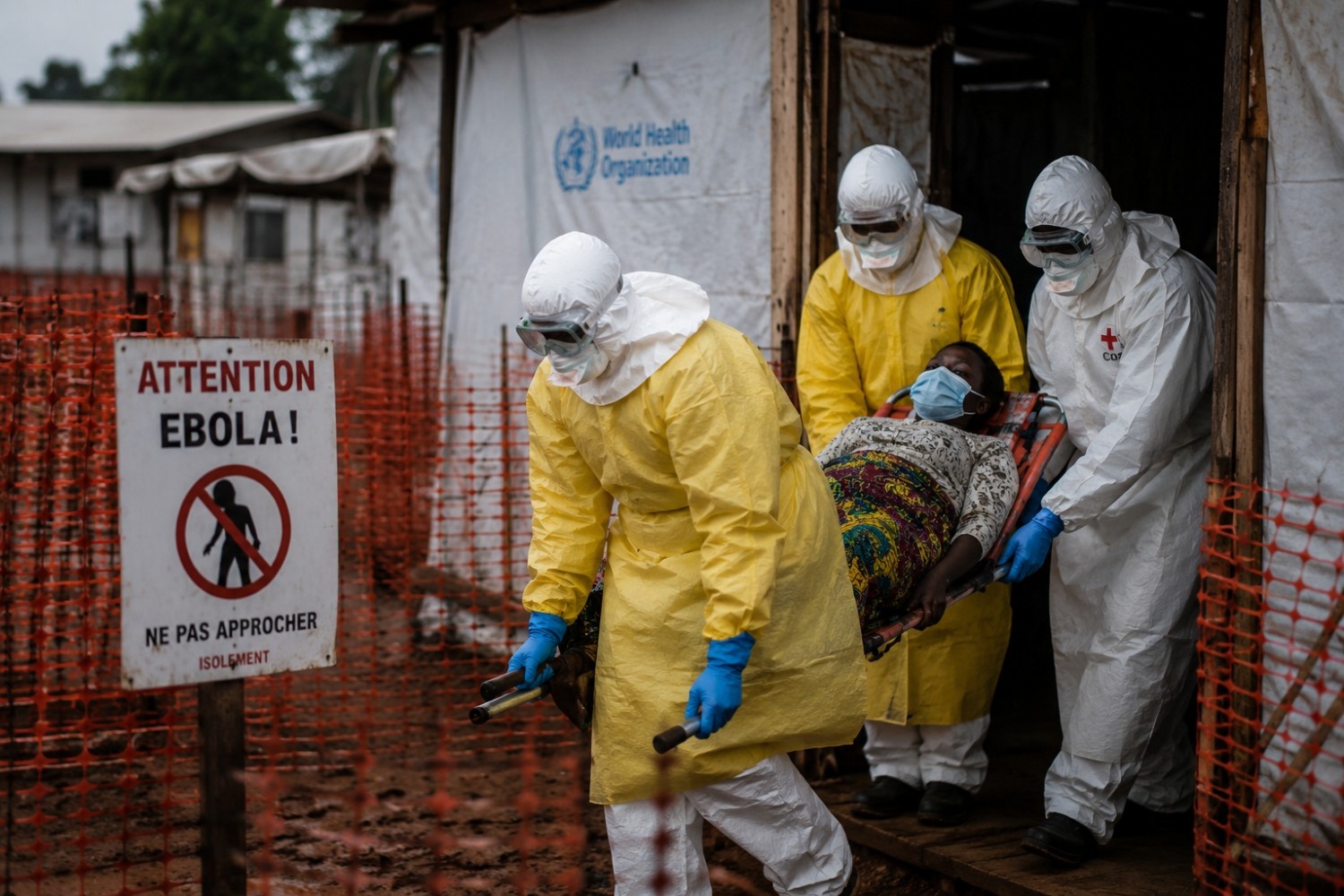
The trial comes as the underlying outbreak continues to worsen. The Democratic Republic of Congo has reported more than 1,700 confirmed cases and over 600 deaths since the outbreak was first identified in Ituri province in May, making it the largest Bundibugyo Ebola outbreak on record. Two deaths have also been confirmed in Uganda. The World Health Organization has said the true scale of the crisis is likely higher than official figures suggest, given surveillance gaps in conflict-affected areas of eastern Congo, where fighting between government forces and armed groups has repeatedly disrupted the response.
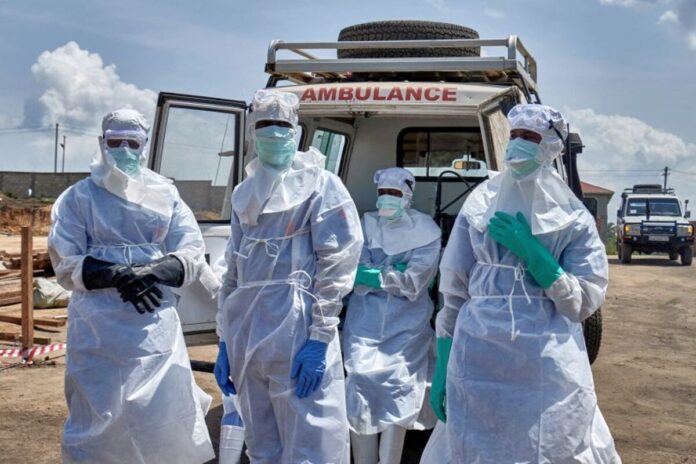
Health workers in Ituri have also threatened strike action in recent days over unpaid wages and inadequate protective equipment, adding further strain to an Ebola response effort that aid groups say is struggling to keep pace with the spread of the disease. Doctors Without Borders has said more than 1,400 of its staff are currently deployed across Ituri, North Kivu, and South Kivu in Congo, as well as in Uganda, running treatment centers and supporting isolation units.
Because there is no approved vaccine or treatment specifically for Bundibugyo Ebola, current care relies largely on managing symptoms. Researchers say a successful outcome from the Oxford trial could eventually give health authorities a long-missing tool for containing future outbreaks of this particular strain of Ebola.